

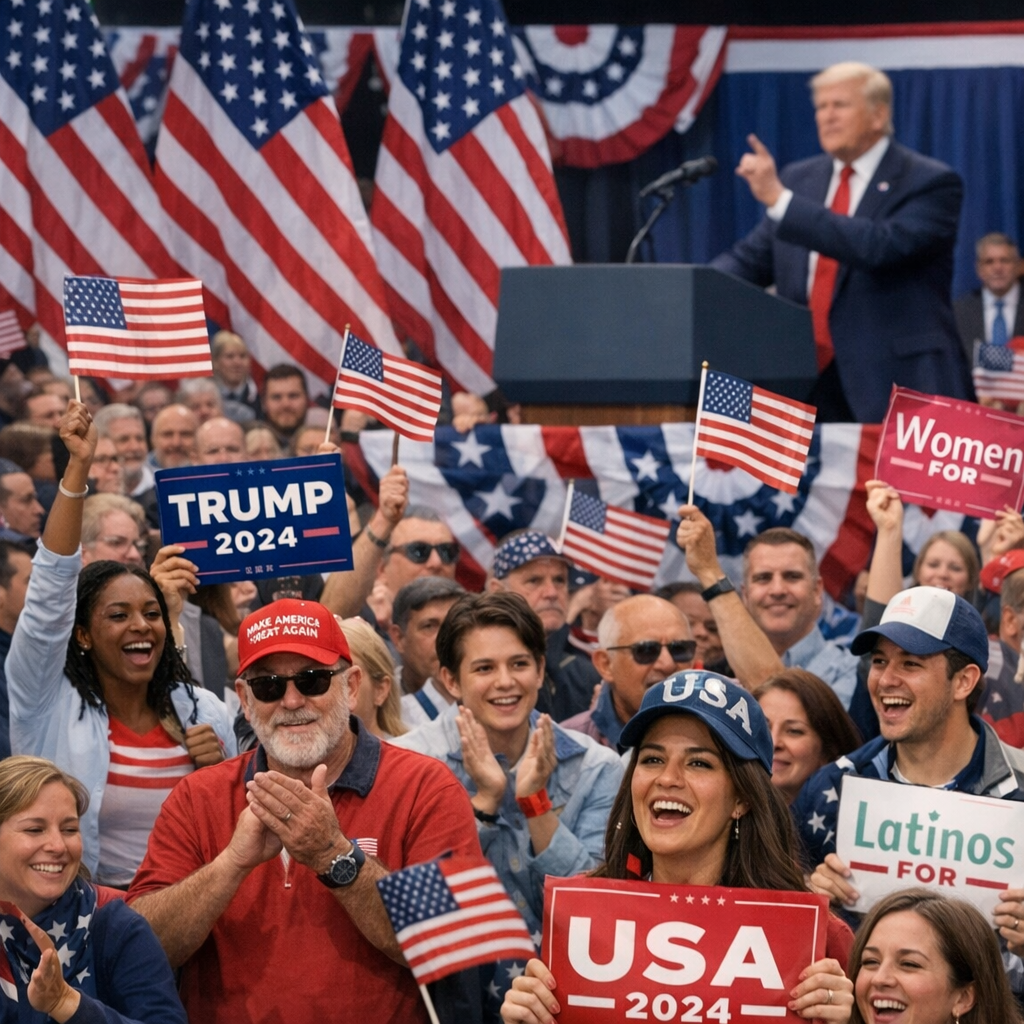
The United States is currently experiencing a period of significant political and economic activity, with developments that have both domestic and international implications.
Political Climate
As the nation approaches the 2026 midterm elections, the political landscape is marked by heightened polarization and strategic maneuvering by both major parties. Redistricting efforts are underway across various states, with proposals that could alter the balance of power in Congress. For instance, in Florida, new congressional maps have been proposed that may impact the representation of both parties.
Additionally, recent events have intensified debates over political rhetoric and violence, further complicating the political discourse as the elections draw near.
Economic Overview
The U.S. economy presents a mixed picture. On one hand, there has been a notable increase in job creation, with 172,000 jobs added in May, indicating resilience despite external pressures. However, inflation remains a concern, with rates reaching 4.2%, influenced in part by global events affecting energy prices.
Consumer confidence has been affected by these economic indicators, with many Americans expressing concerns about the cost of living and economic stability. The Federal Reserve has maintained interest rates but faces challenges in balancing growth and inflation control.
International Relations
U.S. foreign policy continues to evolve, with recent developments in the Middle East affecting global markets and diplomatic relations. The ongoing situation in Iran has led to fluctuations in oil prices, impacting both domestic and international economies.
In summary, the United States is navigating a complex array of political and economic challenges. The outcomes of the upcoming elections and the government’s economic policies will be pivotal in shaping the nation’s trajectory in the coming years.