

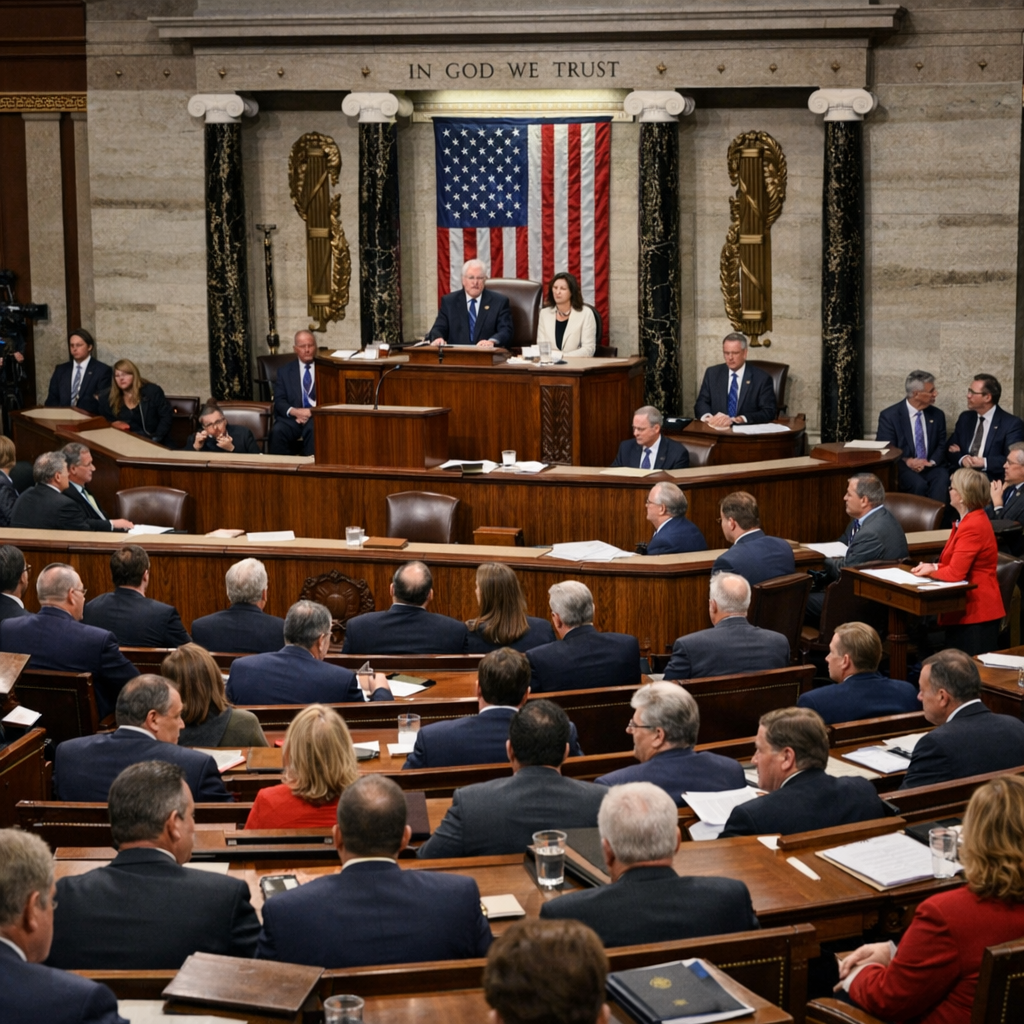
The United States is currently experiencing a period of significant political activity, with developments that have far-reaching implications both domestically and internationally.
Redistricting Efforts and Political Dynamics
Recent redistricting initiatives have reshaped the political map in several states. For instance, in North Carolina’s Triangle region, a new Republican-leaning congressional district was established, consolidating GOP control despite the state’s nearly even split in statewide voting patterns. This move reflects broader national trends where redistricting is influencing the balance of power in Congress.
Public Sentiment and Political Concerns
Public anxiety regarding the political system is notably high. A Gallup poll indicates that approximately one-third of Americans view politics and government as the nation’s most pressing issues. This level of concern is among the highest globally, surpassed only by Taiwan. The data also reveals a generational divide: older Americans are more focused on political stability, while younger citizens are increasingly worried about economic challenges such as housing affordability.
Economic Indicators and Policy Responses
The U.S. economy presents a mixed picture. The International Monetary Fund (IMF) projects a growth rate of 2.4% for the fourth quarter of 2026, an increase from the previous year’s 2.2%. Unemployment is expected to decline to 4.1% by the end of 2026. However, the IMF warns of potential risks stemming from rising federal debt and ongoing trade tensions. These economic factors are likely to influence upcoming policy decisions and electoral outcomes.
Looking Ahead
As the U.S. approaches the midterm elections, the interplay between redistricting, public sentiment, and economic performance will be critical in shaping the nation’s political future. Observers both domestically and internationally are closely monitoring these developments to understand their broader implications.