

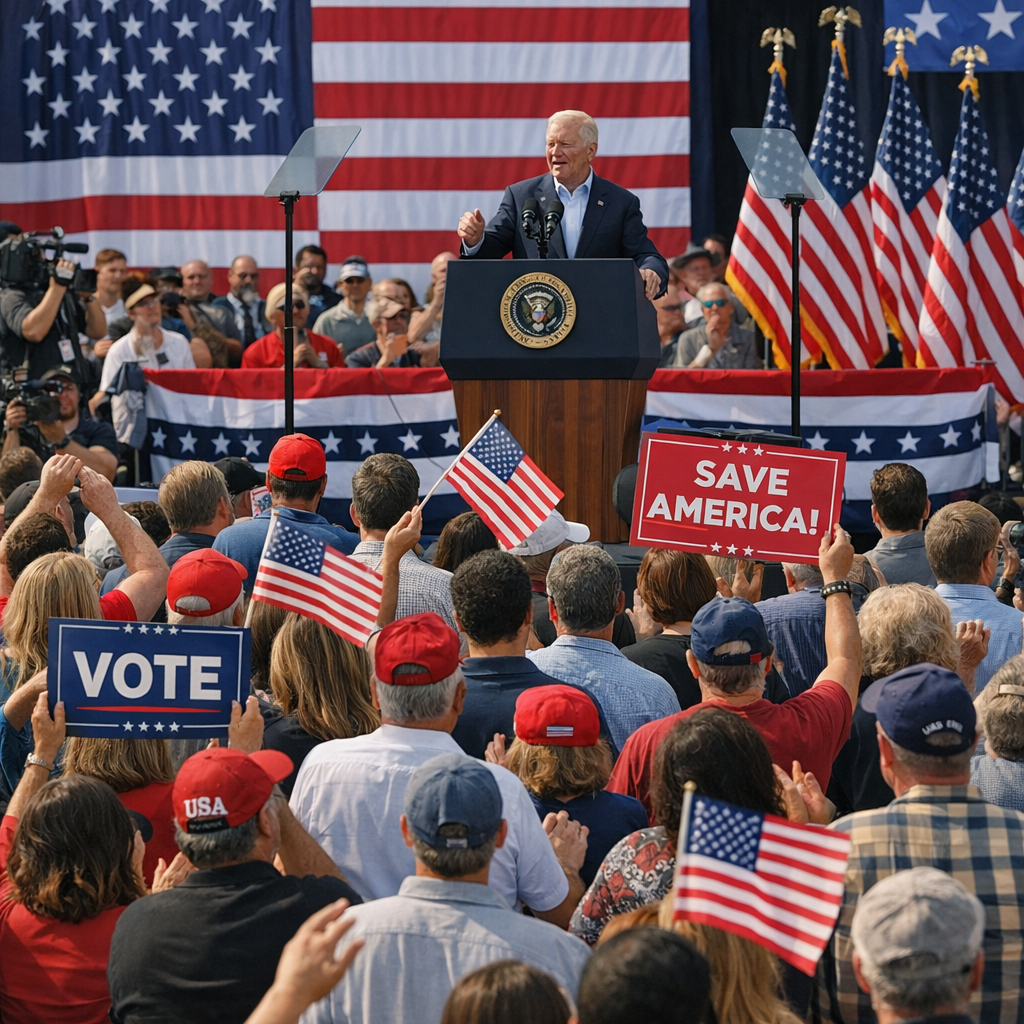
The United States continues to experience significant developments in its political and economic spheres, with recent events shaping the nation’s trajectory.
Political Climate
Recent polling indicates a heightened level of anxiety among Americans regarding the political system. Approximately one-third of citizens identify politics and government as the nation’s most pressing issues, a sentiment more pronounced than in most other wealthy democracies. This concern is particularly evident among older Americans, while younger demographics are more focused on economic challenges such as housing affordability and basic needs.
Economic Overview
The U.S. economy remains robust, with the International Monetary Fund (IMF) projecting a growth rate of 2.4% in the fourth quarter of 2026, up from 2.2% the previous year. Unemployment is expected to decline from 4.5% in late 2025 to 4.1% in 2026, with inflation anticipated to reach the Federal Reserve’s 2% target by 2027. However, the IMF warns that substantial federal budget deficits pose a growing stability risk.
In the technology sector, a global chip shortage has led to rising gadget prices, impacting both consumers and manufacturers. Additionally, Microsoft has announced a reduction of 4,800 jobs, including many within its Xbox division, as part of a strategic realignment.
Trade and International Relations
The U.S., Canada, and Mexico have initiated negotiations to renew the North American trade pact, aiming to address contemporary economic challenges and strengthen regional cooperation. These discussions are crucial for maintaining balanced trade relationships and ensuring economic stability across the continent.
Conclusion
As the United States navigates these complex political and economic landscapes, the outcomes of ongoing policy decisions and international negotiations will be pivotal in shaping the nation’s future. Observers worldwide continue to monitor these developments, recognizing their potential global impact.