

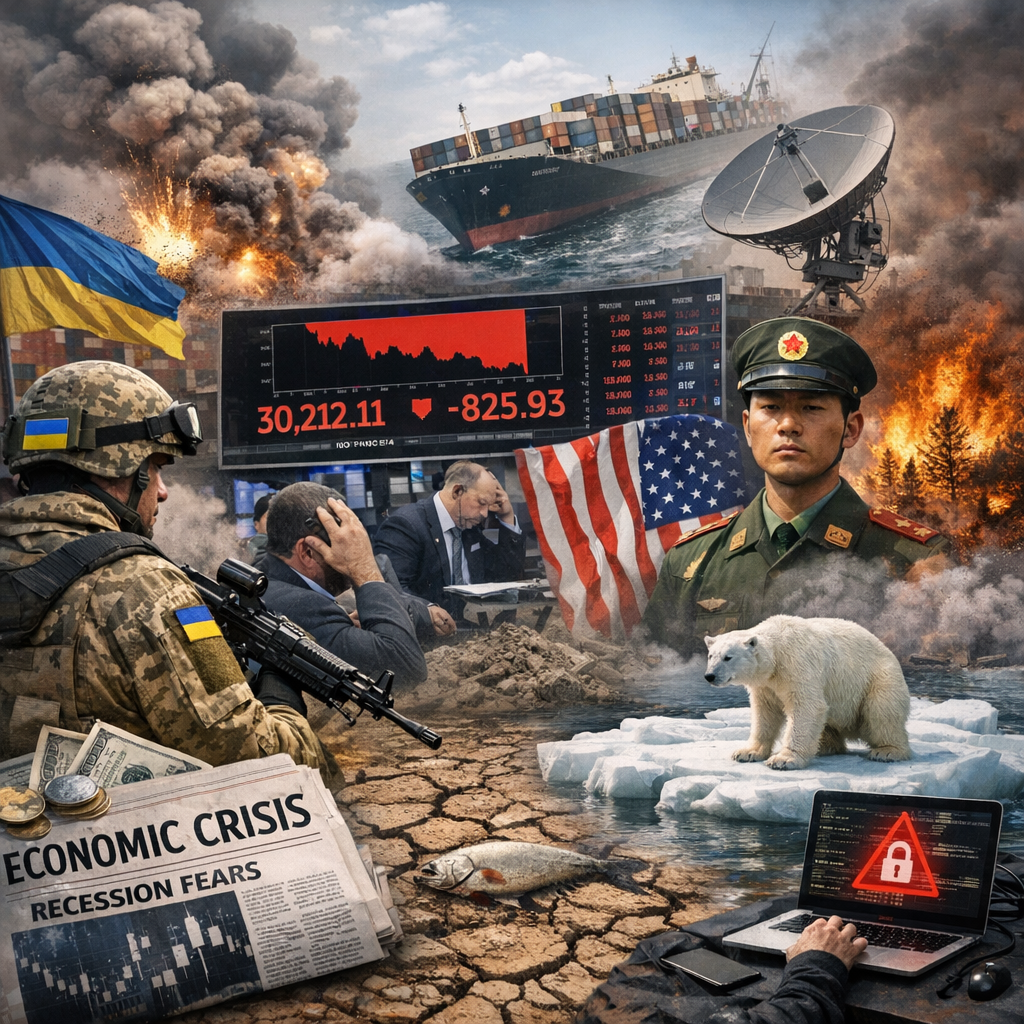
In recent years, the world has entered what scholars term the ‘Era of Polycrisis,’ characterized by multiple, simultaneous global crises that are interconnected and amplify each other’s impacts. This complex landscape presents unprecedented challenges for nations and communities worldwide.
Defining the Era of Polycrisis
The term ‘polycrisis’ refers to a period where various global crises occur concurrently, creating a web of challenges that are more severe and complex than when these crises occur in isolation. This era is marked by geopolitical instability, economic fragmentation, environmental degradation, and technological disruptions.
Key Characteristics of the Polycrisis Era
Geopolitical Instability
Conflicts such as the ongoing war in Ukraine and tensions in the Middle East have led to a breakdown of international norms and increased global insecurity. These conflicts not only affect the regions involved but also have far-reaching implications for global trade, energy supplies, and diplomatic relations.
Economic Fragmentation
The global economy is experiencing fragmentation due to trade disputes, protectionist policies, and the reconfiguration of supply chains. This economic decoupling poses risks to global growth and stability, affecting markets and consumers worldwide.
Environmental Degradation
Climate change continues to manifest through extreme weather events, rising sea levels, and biodiversity loss. These environmental challenges exacerbate existing social and economic issues, leading to resource scarcity, displacement, and health crises.
Technological Disruptions
Rapid advancements in technology, particularly in artificial intelligence, are transforming industries and labor markets. While these innovations offer opportunities, they also raise concerns about job displacement, privacy, and ethical considerations.
Implications for the United Arab Emirates
As a global hub, the UAE is not immune to the effects of the polycrisis. Geopolitical tensions can impact trade routes and energy markets, while economic fragmentation may affect investment flows and tourism. Environmental challenges pose risks to infrastructure and public health, and technological disruptions require adaptive strategies to harness benefits while mitigating risks.
Moving Forward
Addressing the era of polycrisis requires a multifaceted approach that includes international cooperation, resilient economic policies, sustainable environmental practices, and proactive technological governance. By understanding the interconnected nature of these challenges, nations and communities can develop strategies to navigate this complex landscape effectively.