

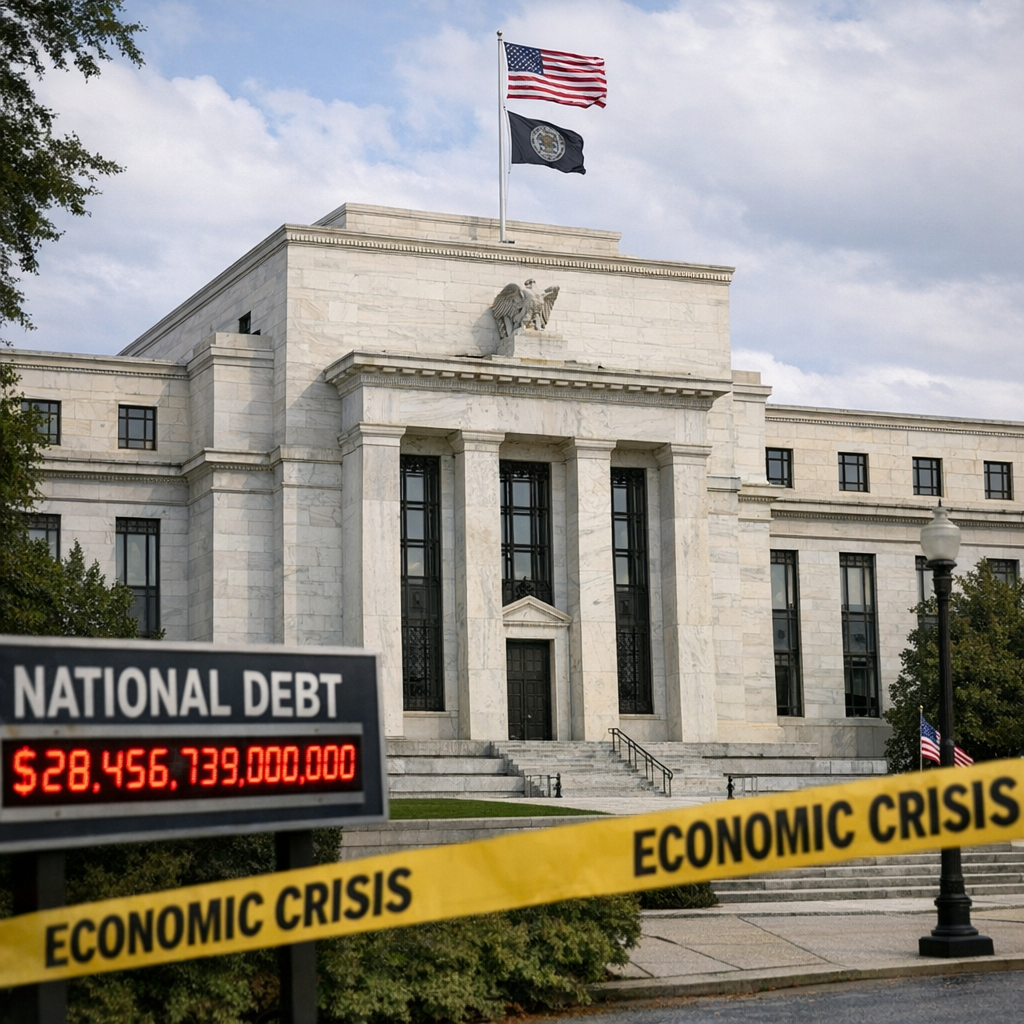
The United States economy is currently experiencing a complex interplay of factors influencing its trajectory. Key areas of focus include inflation trends, housing market dynamics, and fiscal policy challenges.
Inflation and Federal Reserve Policies
Inflation remains a pivotal concern. The Federal Reserve is closely monitoring price stability and employment levels to determine appropriate monetary policies. Officials are divided on future interest rate moves, with some predicting increases while others see potential for reductions, amid uncertainty over inflation trends linked to the Iran conflict. The war has also contributed to a projected global oil demand decline—the first since 2020—due to logistical disruptions and high prices, especially impacting Asia. Yet, U.S. gasoline consumption rose despite elevated prices.
Housing Market Dynamics
The housing market reflects these economic pressures. Sales of previously occupied U.S. homes slowed in June, but a key measure of home prices climbed to an all-time high, adding to prospective homebuyers’ affordability challenges. Existing home sales fell 2.4% last month from May to a seasonally adjusted annual rate … .
Fiscal Policy and National Debt
Fiscal policy is under scrutiny as the national debt surpasses $38 trillion. BlackRock CEO Larry Fink has expressed concerns that markets may be underestimating the moment when fiscal policy, not monetary policy, becomes a major problem. He warns that rising debt elevates interest costs, threatens confidence, and could trigger rapid shifts in borrowing costs.
In summary, the U.S. economy is navigating a period of significant change, with inflation, housing market trends, and fiscal policy challenges at the forefront. These developments are being closely monitored by policymakers and market participants alike.