

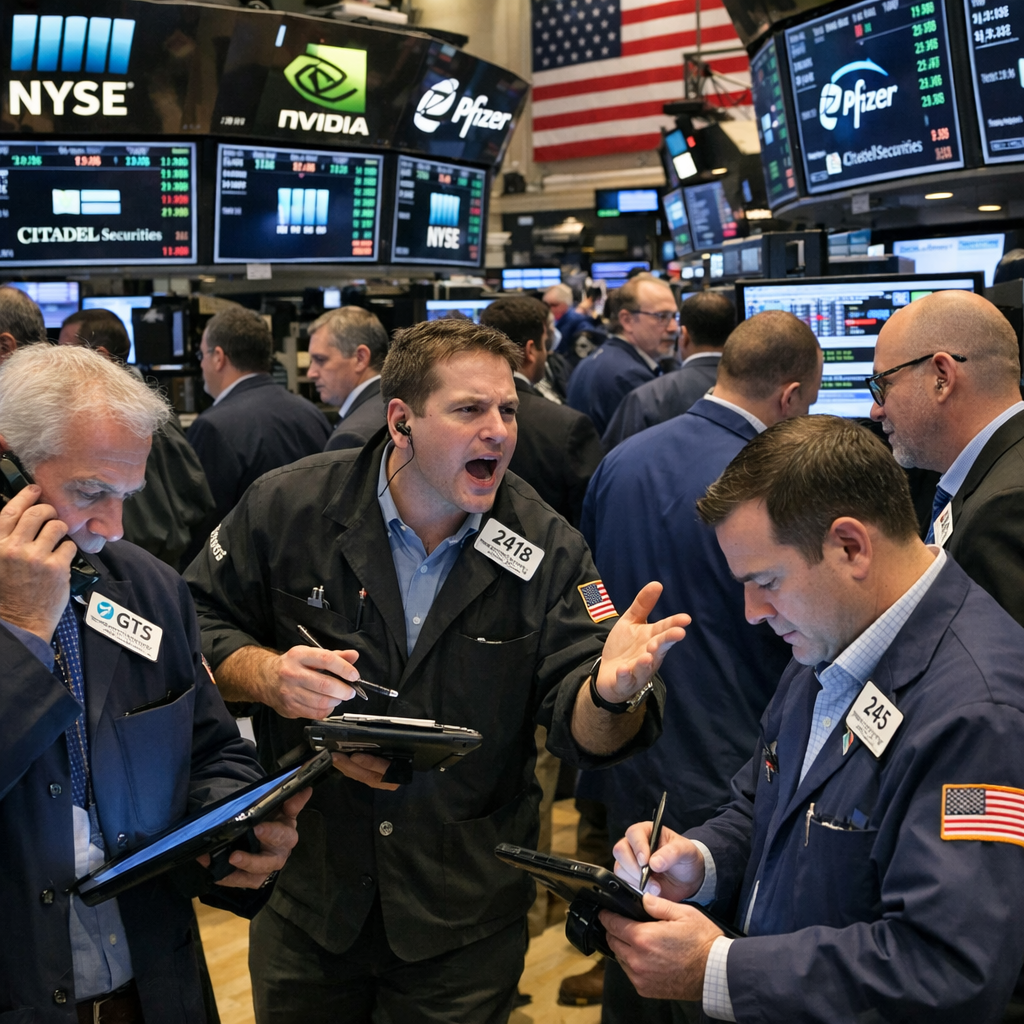
The United States continues to experience a dynamic interplay between economic growth and political developments, with implications that resonate both domestically and internationally.
Economic Performance and Challenges
In the second quarter of 2026, the U.S. economy expanded at an annualized rate of 1.5%, a deceleration from the previous quarter’s 2.1% growth. This slowdown is attributed to a surge in imports, which offset robust consumer spending. Notably, consumer expenditures increased by 3.2%, bolstered by a recovering job market and significant business investments, particularly in artificial intelligence sectors. However, the influx of imports subtracted 1.5 percentage points from the overall GDP growth, highlighting the complexities of global trade dynamics.
Inflation remains a pressing concern. The Federal Reserve’s preferred measure, the Personal Consumption Expenditures (PCE) price index, indicated a 3.7% year-over-year increase, with core inflation at 3.3%, both figures exceeding the long-term target of 2%. This persistent inflationary pressure has intensified public dissatisfaction, especially as the midterm elections approach.
Political Landscape and Policy Implications
President Donald Trump’s administration has maintained a steadfast commitment to tariff-based trade policies. Despite a Supreme Court ruling in February that invalidated earlier tariffs for exceeding presidential authority, the administration introduced new tariffs ranging from 10% to 12.5% on imports from 60 countries, including the European Union. These measures, justified on grounds such as forced labor concerns, have been met with skepticism regarding their effectiveness and potential economic repercussions.
The upcoming midterm elections are poised to be pivotal. Current projections suggest that the Democratic Party may regain control of the House of Representatives, capitalizing on public discontent over inflation and foreign policy challenges. However, the Senate landscape appears more favorable to Republicans, with the majority of seats up for election situated in states that supported President Trump in previous elections.
Global Implications and Outlook
The U.S. economic and political developments have far-reaching global implications. The ongoing trade tensions and tariff implementations have introduced uncertainties in international markets, affecting global supply chains and economic forecasts. Additionally, the Federal Reserve’s monetary policy decisions, influenced by domestic inflation and political pressures, are closely monitored by global investors for potential impacts on international financial markets.
In conclusion, the United States stands at a crossroads, navigating the intricate balance between fostering economic growth and implementing assertive political strategies. The outcomes of these endeavors will not only shape the nation’s trajectory but also influence global economic and political landscapes.