

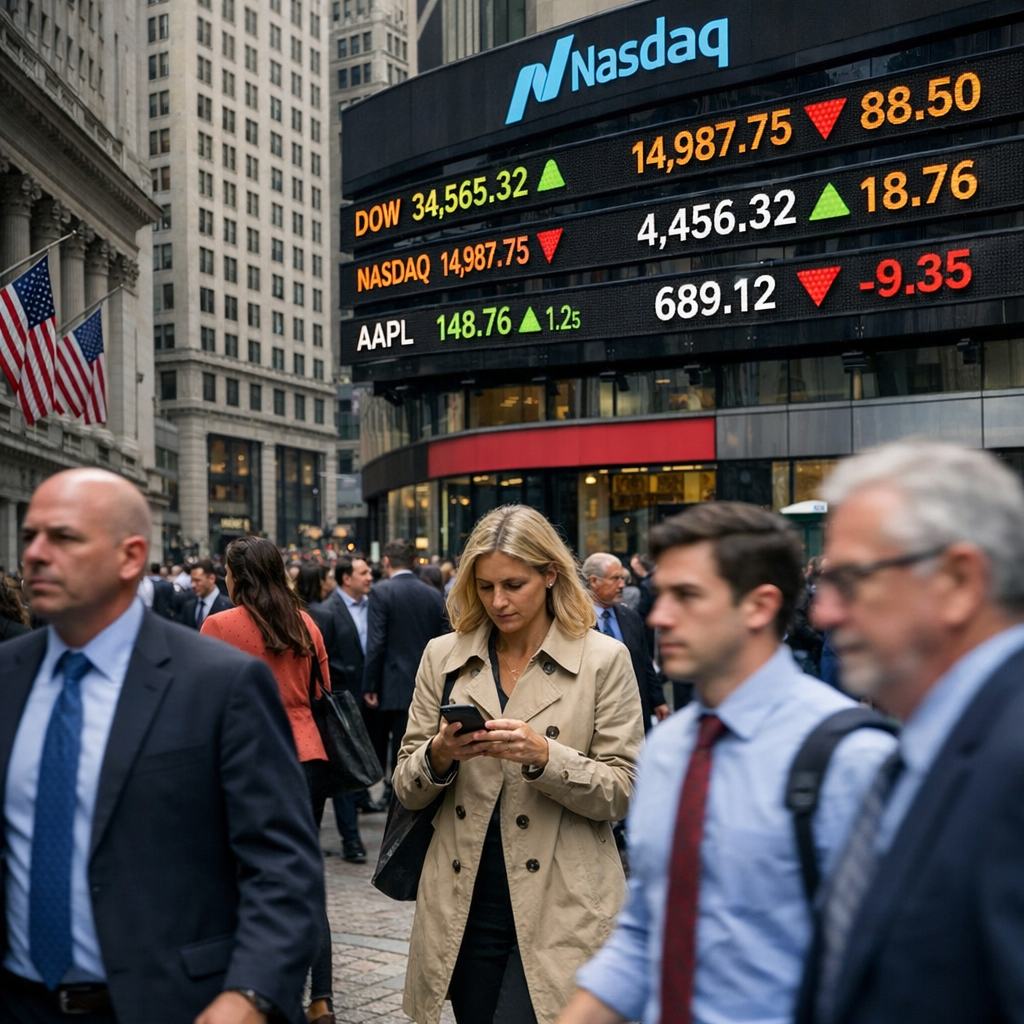
The United States economy continues to demonstrate resilience amid a complex interplay of policy changes and global uncertainties. Recent data indicates a steady growth trajectory, with real GDP increasing by 2.2% in 2025, aligning with the average annual rate observed from 2000 to 2024. This growth is underpinned by robust consumer spending and advancements in technology sectors.
Employment and Labor Market Dynamics
The labor market has shown signs of moderation. As of March 2026, the economy added 369,000 jobs, with the unemployment rate edging up to 4.3%. This slight uptick reflects a cooling in employment growth, influenced by factors such as stricter immigration policies leading to a reduced foreign-born labor force. Despite this, productivity gains have contributed to sustaining economic activity.
Inflation and Consumer Prices
Inflationary pressures have been a focal point for policymakers and consumers alike. The 12-month percent change in the Consumer Price Index (CPI) stood at 2.4% in January 2026. Notably, the cost of health care and housing, along with the price of food and consumer goods, remain top concerns for Americans, with significant majorities expressing deep concern over these expenses.
Fiscal Policy and Trade Measures
Recent fiscal policies, including tax cuts and increased tariffs, have had multifaceted effects on the economy. The tax and spending changes legislated in 2025 are projected to provide a modest boost to activity in the near term, adding approximately 0.75% to the level of GDP in 2026-27. However, these measures are also expected to raise the deficit by around 1.5% of GDP. The implementation of higher tariffs is anticipated to modestly lower the trade deficit and generate additional revenue, though they represent a negative supply shock, potentially raising the Personal Consumption Expenditures (PCE) price index by about 0.5% by early 2026.
Public Sentiment and Economic Outlook
Public perception of the economy remains cautious. A Pew Research Center survey conducted in January 2026 found that 72% of U.S. adults rate economic conditions as only fair or poor. Looking ahead, the OECD projects that GDP growth will remain around 2% in 2026 before moderating to 1.8% in 2027. This outlook reflects the balancing act between policy-driven stimuli and the inherent challenges posed by global economic dynamics.
In summary, while the U.S. economy exhibits strength and adaptability, it continues to navigate a landscape marked by policy shifts and external pressures. Ongoing monitoring and responsive policymaking will be crucial in sustaining growth and addressing the concerns of the American populace.