

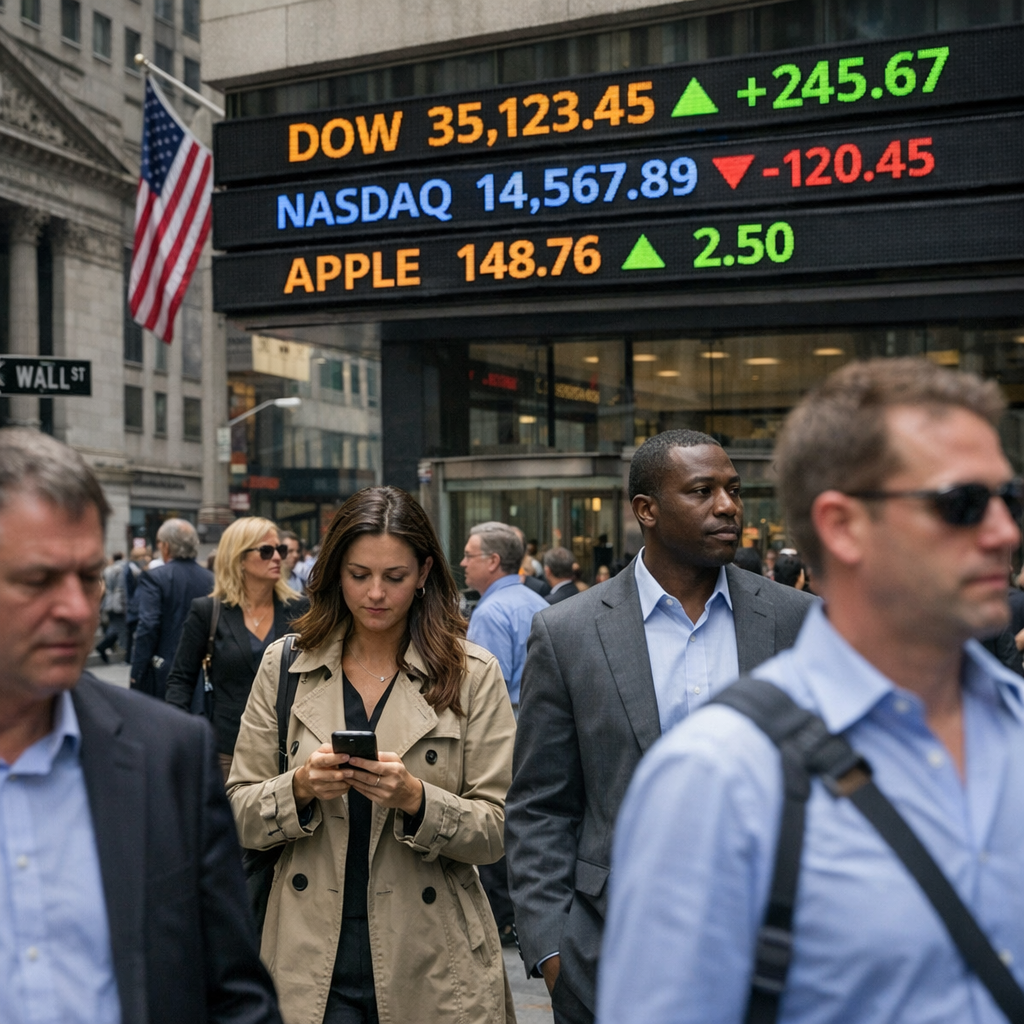
The United States economy continues to demonstrate resilience amid a complex and evolving global landscape. Recent analyses provide insights into the current state and future projections, shedding light on factors influencing growth and stability.
Current Economic Performance
In 2025, the U.S. economy experienced a growth rate of 2%, supported by strong productivity gains. Despite policy shifts and a government shutdown in the fourth quarter, this growth underscores the economy’s adaptability. Inflation remained stable, with tariff-induced increases in goods prices offset by declining services inflation. The fiscal deficit narrowed slightly, though debt levels and the current account deficit remained elevated.
Projections for 2026
Looking ahead, GDP growth is projected to rise to 2.4% in 2026. The fading effects of tariffs and lower oil prices are expected to bring core Personal Consumption Expenditures (PCE) inflation back to 2% during the first half of 2027. Employment growth is slowing, but the unemployment rate is anticipated to remain near 4%.
Key Influencing Factors
Several factors are poised to influence the U.S. economic trajectory:
Fiscal Policy
Tax and spending changes legislated in 2025 are expected to provide a modest boost to economic activity in the near term, adding approximately 0.75% to the level of GDP in 2026-27. However, these measures are also projected to increase the deficit by around 1.5% of GDP.
Trade Policies
Higher tariffs are anticipated to modestly reduce the trade deficit and generate revenue equivalent to about 0.75% of GDP in the near term. Nonetheless, these tariffs represent a negative supply shock, potentially raising the PCE price index by approximately 0.5% by early 2026 and reducing output levels by a similar margin.
Immigration Policies
Stricter border enforcement and increased removals are expected to decrease the size of the foreign-born labor force in the coming years. This trend may lead to slower employment growth, a modest increase in inflationary pressures, and a reduction in economic activity of around 0.4% by 2027.
Risks and Considerations
While the near-term risks to growth and unemployment appear balanced, rising energy prices pose upside risks to inflation. Additionally, the outlook for global energy prices introduces further uncertainty. Policymakers and stakeholders must navigate these challenges carefully to sustain economic stability and growth.
In summary, the U.S. economy exhibits resilience and adaptability in the face of various challenges. Ongoing monitoring and strategic policy adjustments will be crucial in maintaining this trajectory and addressing emerging risks.