

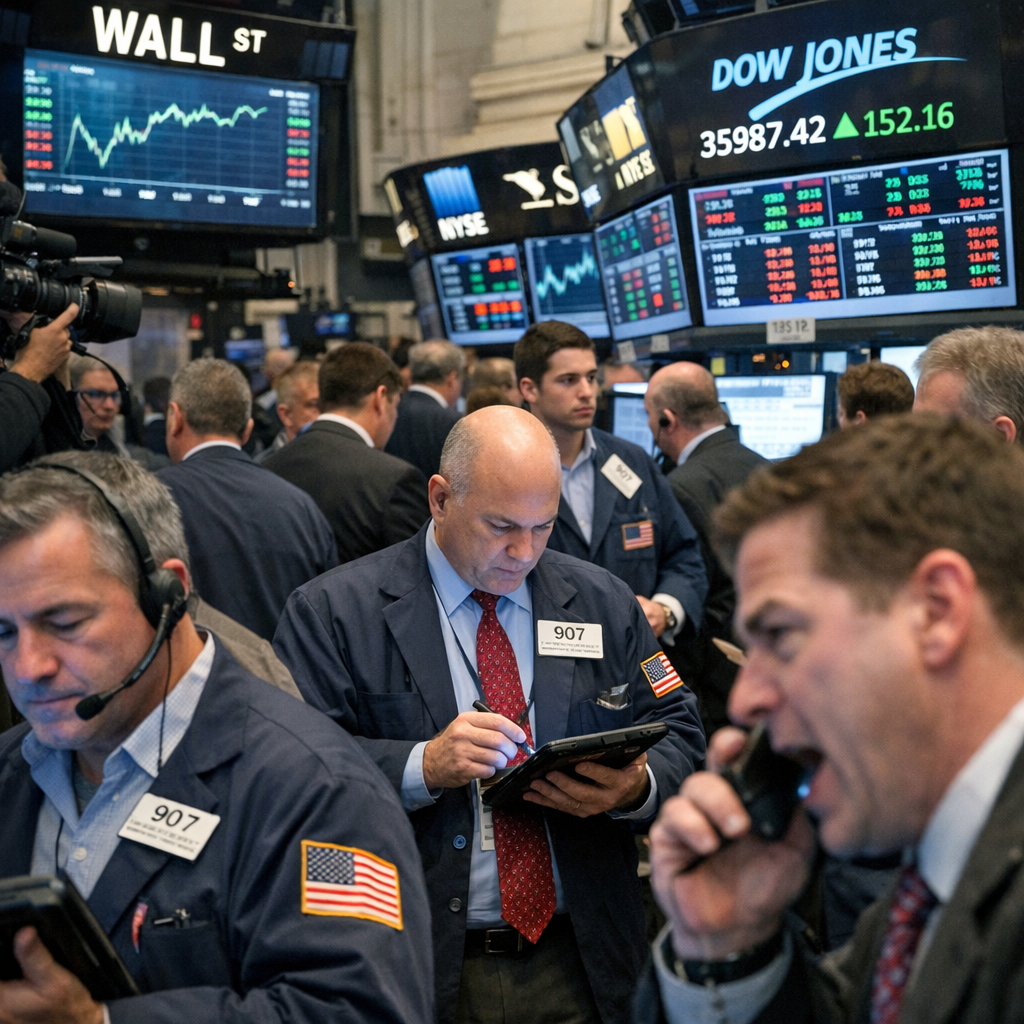
The United States continues to experience a dynamic interplay between economic growth and political developments, with recent data offering insights into the nation’s trajectory.
Economic Performance and Challenges
In the second quarter of 2026, the U.S. economy expanded at a modest annualized rate of 1.5%, a deceleration from the 2.1% growth observed in the first quarter. This slowdown is largely attributed to a surge in imports, which offset robust consumer spending. Notably, consumer expenditures rose by 3.2%, buoyed by a recovering job market and significant business investments, particularly in artificial intelligence sectors. However, the increase in imports subtracted 1.5 percentage points from the overall GDP growth, underscoring the complexities of global trade dynamics.
Inflation remains a pressing concern. The Federal Reserve’s preferred measure, the Personal Consumption Expenditures (PCE) price index, indicated a 3.7% year-over-year increase, with core inflation at 3.3%, both figures exceeding the long-term target of 2%. This persistent inflationary pressure continues to affect the cost of living for many Americans.
Federal Reserve’s Monetary Policy
The Federal Reserve has maintained interest rates steady, reflecting a cautious approach amid economic uncertainties. However, internal divisions are emerging, with some officials advocating for rate hikes to curb inflation, while others prefer a more accommodative stance to support economic growth. The ongoing energy crisis, exacerbated by geopolitical tensions, particularly with Iran, has led to rising fuel prices, further complicating the Fed’s policy decisions.
Trade Policies and Their Impact
Trade policies under the current administration have introduced additional layers of complexity. Recent tariffs imposed on imports from 60 countries, including the European Union, have been justified on grounds of addressing forced labor concerns. Critics, however, question the validity of these claims, especially given the EU’s stringent labor standards. The economic impact of these tariffs remains contentious, with some sectors experiencing higher costs and reduced investment due to policy uncertainty.
Political Landscape and Upcoming Elections
As the midterm elections approach, economic conditions and foreign policy decisions are poised to play pivotal roles in shaping voter sentiment. Public dissatisfaction with the high cost of living and concerns over international relations may influence electoral outcomes, potentially leading to shifts in the political landscape.
In summary, the United States is navigating a period marked by economic resilience tempered by inflationary pressures and complex political dynamics. The interplay between these factors will be crucial in determining the nation’s path forward in the coming months.