

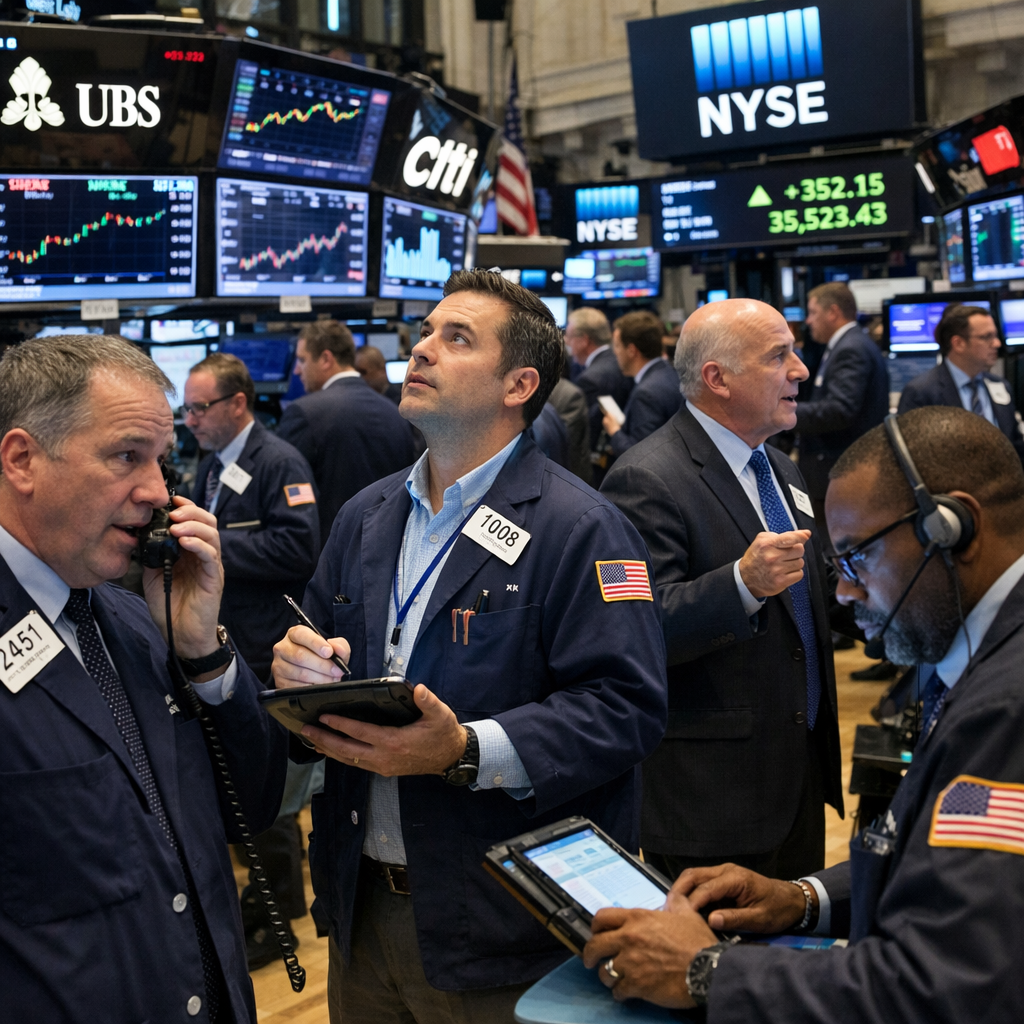
The United States continues to experience significant economic and political shifts, with recent developments influencing both domestic and international landscapes.
Economic Overview
In 2025, the U.S. economy demonstrated resilience, achieving a 2% growth rate despite policy changes and a government shutdown in the fourth quarter. This growth was underpinned by strong productivity gains, even as employment growth slowed due to reduced immigration. Inflation remained stable, with tariff-induced goods inflation balancing declining services inflation. The fiscal deficit narrowed slightly, yet both debt and the current account deficit remained elevated. Looking ahead, GDP growth is projected to rise to 2.4% in 2026, with core PCE inflation expected to return to 2% by the first half of 2027. Employment growth is anticipated to slow, but unemployment should stay near 4%.
Political Developments
As the 2026 midterm elections approach, the political climate is marked by challenges for the Republican Party. Rising inflation, a stagnant job market, and high gas prices have fueled voter dissatisfaction. Despite promises to reduce living expenses, the administration has struggled, with inflation continuing and economic hardships growing. Internally, divisions over foreign policy and a disengaged campaign trail presence have further complicated the party’s position. Emerging figures within the conservative base hint at future leadership ambitions, indicating potential shifts in the party’s direction.
Trade and Policy Implications
Trade policy remains a focal point, with recent tariff implementations affecting various sectors. While some regions have benefited from protectionist measures, others, particularly in agriculture and food processing, have faced higher costs. Additionally, external pressures, such as the energy crisis stemming from tensions with Iran, are pushing fuel prices up, impacting transportation and agricultural costs. The Federal Reserve faces a dilemma: respond to economic data with interest rate adjustments or adhere to political preferences, challenging its independence.
In summary, the U.S. is navigating a complex interplay of economic resilience and political challenges. The outcomes of these developments will have significant implications both domestically and internationally.