

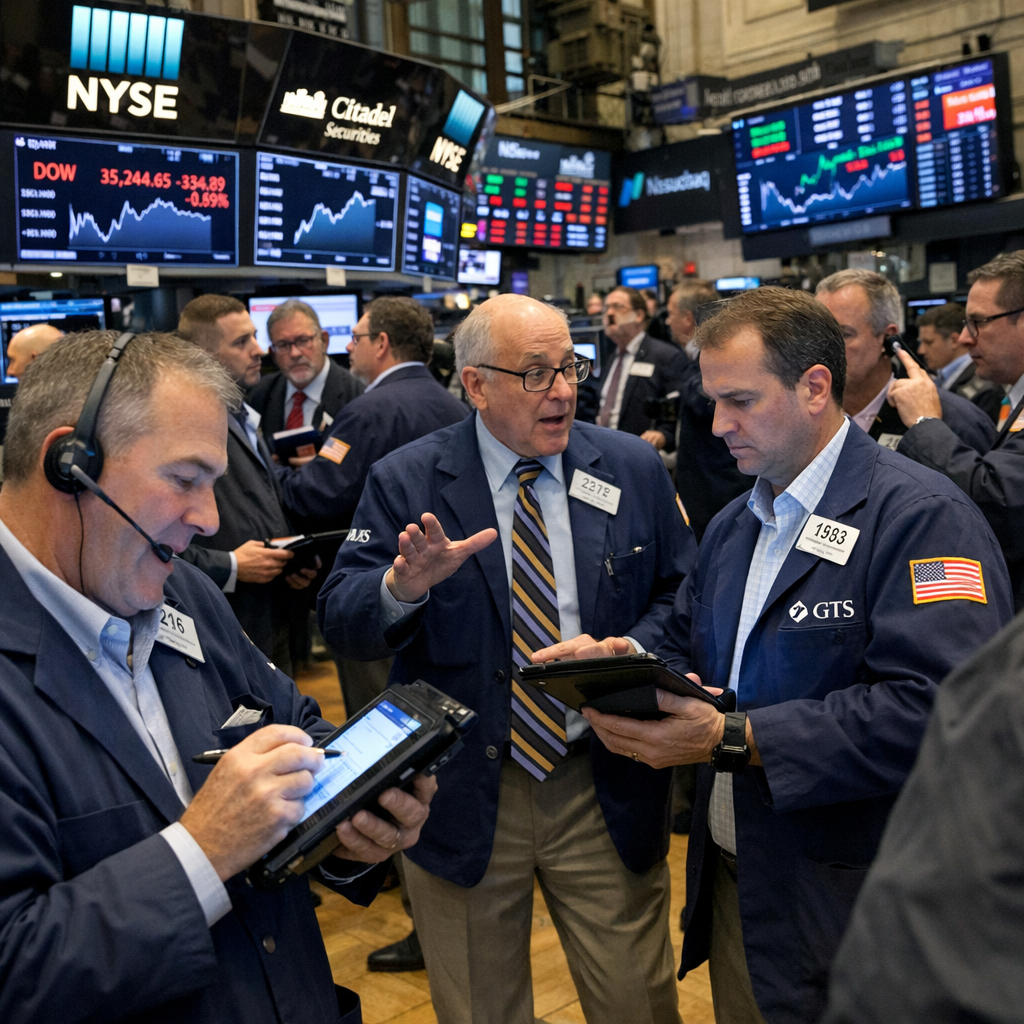
The United States continues to experience a dynamic economic and political environment, marked by resilience amid policy shifts and global uncertainties.
Economic Performance and Outlook
In 2025, the U.S. economy demonstrated solid growth, with the Gross Domestic Product (GDP) reaching $30.8 trillion, reflecting a 2.2% increase from the previous year. This growth was supported by consumer spending, rising real wages, and a robust stock market. However, the labor market showed signs of cooling, with employment growth slowing due to factors such as reduced immigration flows. Inflation remained relatively stable, as tariff-induced increases in goods prices were offset by moderating services inflation. The fiscal deficit narrowed slightly, yet both debt and the current account deficit remained elevated.
Looking ahead, GDP growth is projected to rise to 2.4% in 2026. The fading effects of tariffs and lower oil prices are expected to bring core Personal Consumption Expenditures (PCE) inflation back to 2% during the first half of 2027. Employment growth is anticipated to continue its slowdown, but the unemployment rate is projected to remain near 4%.
Trade Policies and Their Implications
Trade policies have been a focal point, with tariffs playing a significant role in shaping the economic landscape. The United States-Mexico-Canada Agreement (USMCA) is likely to face significant revisions, influencing cross-border trade and investment flows. Tariffs are expected to have dual effects: increasing the cost of imported goods, thereby contributing to inflation, and redirecting domestic demand towards local producers, potentially boosting certain sectors of the economy.
Political Climate and Public Sentiment
Politically, the nation is navigating a complex landscape. Public sentiment reflects this complexity, with a Pew Research Center survey indicating that about 28% of U.S. adults rate economic conditions as excellent or good, while approximately 72% view them as only fair or poor. These perceptions are influenced by factors such as inflation, employment opportunities, and the overall cost of living.
As the U.S. approaches the 2026 midterm elections, these economic and political dynamics are expected to play a crucial role in shaping voter behavior and policy decisions. The interplay between economic performance, trade policies, and public sentiment will continue to define the nation’s trajectory in the coming years.