

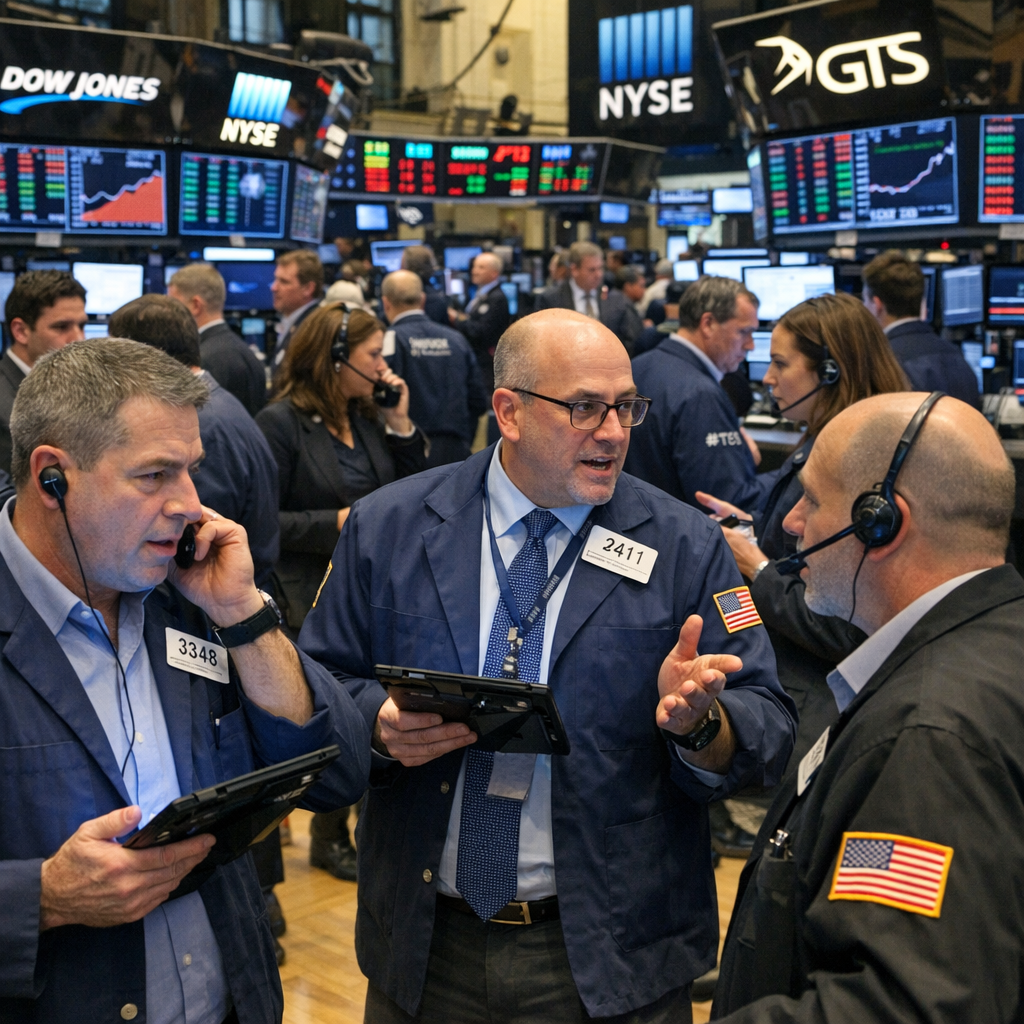
The United States continues to experience a dynamic economic and political environment, marked by resilience amid uncertainties. Recent data indicates that the U.S. economy grew by 2.1% in 2025, with the labor market adding 369,000 jobs as of March 2026, maintaining an unemployment rate of 4.3%. However, inflation has seen a slight uptick, influenced by factors such as increased tariffs and rising energy prices.
Economic Performance and Challenges
Despite policy shifts and global tensions, the U.S. economy has demonstrated notable resilience. The International Monetary Fund (IMF) projects a modest acceleration in GDP growth to 2.4% in 2026. This growth is supported by strong productivity gains and consumer spending. However, the implementation of higher tariffs has introduced inflationary pressures, contributing to a 0.5% increase in the Personal Consumption Expenditures (PCE) price index by early 2026. Additionally, stricter immigration policies are expected to reduce the foreign-born labor force, potentially slowing employment growth and adding to inflationary concerns.
Political Climate and Upcoming Elections
Politically, the U.S. is approaching the 2026 midterm elections, with early forecasts suggesting potential gains for the Democratic Party. Public dissatisfaction with persistent inflation and foreign policy decisions, such as the ongoing conflict with Iran, have impacted the Republican Party’s standing. Key voter demographics, including Hispanics, working-class white women, and Generation Z men, have shown shifts in political preferences, influencing the electoral landscape.
Public Sentiment and Future Outlook
Public perception of the economy remains cautious. A Pew Research Center survey conducted in January 2026 found that only 28% of U.S. adults rated economic conditions as excellent or good, while 72% viewed them as only fair or poor. This sentiment reflects concerns over cost-of-living increases and economic disparities. Looking ahead, the U.S. economy is expected to navigate a complex interplay of domestic policies and global factors. The Federal Reserve faces decisions on interest rates amid inflationary pressures, while trade policies and international relations continue to evolve. These elements will play crucial roles in shaping the economic and political trajectory of the nation.