

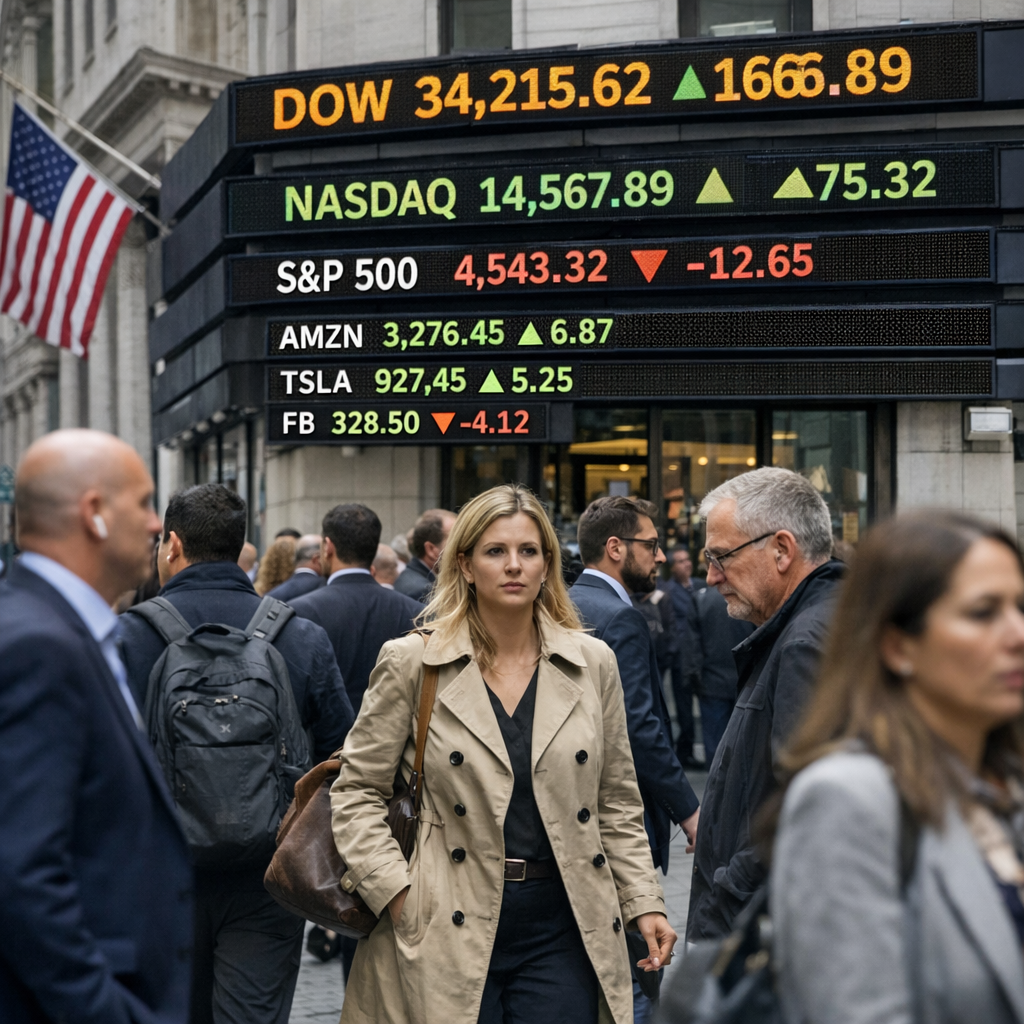
The United States economy has demonstrated resilience amid a series of significant policy shifts and global challenges. Recent data indicates a complex interplay of factors influencing growth, inflation, and employment.
Economic Growth and Productivity
In 2025, the U.S. economy expanded by 2%, bolstered by robust productivity gains. This growth occurred despite policy uncertainties and a government shutdown in the fourth quarter. Projections for 2026 suggest a modest acceleration to 2.4%, with expectations of inflation returning to the Federal Reserve’s 2% target by early 2027. Employment growth is anticipated to slow, yet the unemployment rate is likely to remain near 4%.
Fiscal Policy and Tariffs
Recent fiscal policies, including tax reforms and spending adjustments enacted in 2025, are expected to provide a short-term boost to economic activity, adding approximately 0.75% to GDP levels in 2026-27. However, these measures are also projected to increase the fiscal deficit by around 1.5% of GDP. Additionally, the implementation of higher tariffs is anticipated to modestly reduce the trade deficit and generate revenue equivalent to about 0.75% of GDP in the near term. These tariffs, however, represent a supply shock that could elevate the Personal Consumption Expenditures (PCE) price index by approximately 0.5% by early 2026 and reduce output levels by a similar margin.
Labor Market Dynamics
Stricter immigration policies have led to a reduction in the foreign-born labor force, contributing to slower employment growth and a slight uptick in inflationary pressures. This trend is expected to decrease overall economic activity by around 0.4% by 2027. Despite these challenges, the labor market remains near full employment, with the prime-age employment-to-population ratio approaching all-time highs.
Global Implications
The evolving U.S. economic landscape has significant implications for global markets, including those in the United Arab Emirates. Changes in U.S. trade policies and economic performance can influence global trade flows, investment decisions, and economic strategies worldwide. Businesses and policymakers in Dubai and beyond should closely monitor these developments to adapt effectively to the shifting global economic environment.
In summary, while the U.S. economy continues to show strength, it faces a complex array of challenges and policy changes. Understanding these dynamics is crucial for stakeholders both within the United States and internationally.