

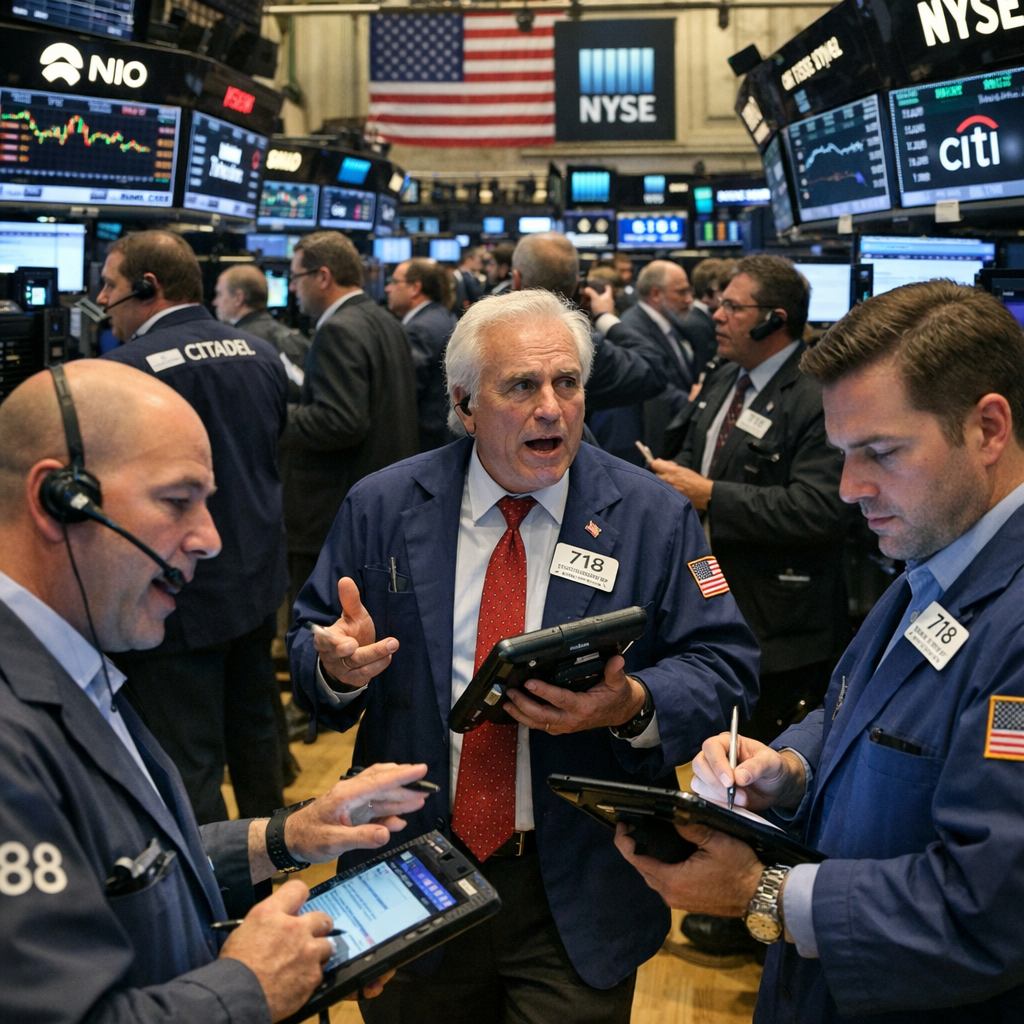
The United States continues to experience significant economic and political transformations, with implications that resonate both domestically and internationally.
Economic Performance and Projections
In 2025, the U.S. economy demonstrated resilience, achieving a 2% growth rate despite policy shifts and a government shutdown in the fourth quarter. This growth was underpinned by strong productivity gains. Inflation remained stable, as tariff-induced increases in goods prices were offset by declining services inflation. The fiscal deficit narrowed slightly, yet both national debt and the current account deficit remained elevated. Looking ahead, growth is projected to rise to 2.4% in 2026, with core inflation expected to return to 2% by the first half of 2027. Employment growth is slowing, but unemployment is anticipated to stay near 4%.
Policy Shifts and Their Implications
Recent legislative changes, including tax cuts and increased government spending, are expected to provide a modest boost to economic activity in the near term. However, these measures are also projected to raise the fiscal deficit by approximately 1.5% of GDP. Additionally, the implementation of higher tariffs is anticipated to modestly reduce the trade deficit and generate revenue. Nonetheless, these tariffs represent a negative supply shock, likely increasing the price index by around 0.5% by early 2026 and reducing output by a similar margin. Stricter immigration policies are also expected to reduce the size of the foreign-born labor force, leading to slower employment growth and a slight uptick in inflationary pressures.
Political Landscape and Market Impacts
As the 2026 midterm elections approach, the political environment is marked by significant challenges. Rising inflation, a stagnant job market, and high gas prices have fueled voter dissatisfaction. Internally, the administration faces divisions over foreign policy, particularly concerning stalled conflicts, while the president appears increasingly disengaged from the campaign trail. These political dynamics are contributing to market volatility and uncertainty.
Global Implications
The U.S. economy’s performance and policy decisions have far-reaching effects. The global economy in 2026 is expected to experience moderate growth amid ongoing geopolitical and technological transformations. The U.S. dollar may weaken due to anticipated rate cuts but will likely retain strength as a geopolitical safe haven. Additionally, the renegotiation of trade agreements, such as the United States-Mexico-Canada Agreement (USMCA), is poised to play a pivotal role in guiding cross-border trade, investment flows, and overall market confidence across the region.
In conclusion, the United States is navigating a complex interplay of economic growth, policy shifts, and political challenges. These factors not only shape the domestic landscape but also have significant implications for the global economy.