

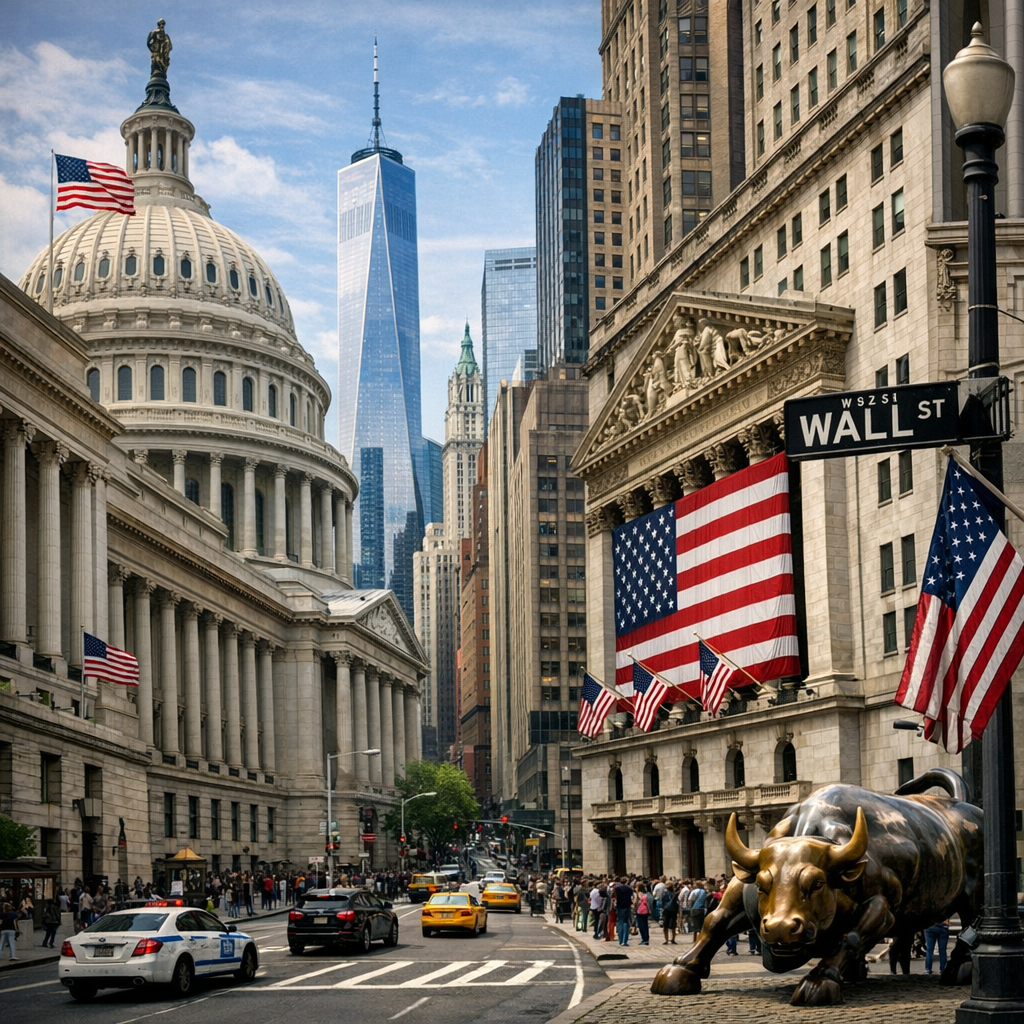
The United States continues to experience significant shifts in its political and economic spheres, with recent developments underscoring the nation’s evolving landscape.
Political Climate and Public Sentiment
Recent polling indicates a heightened level of public concern regarding the U.S. political system. Approximately one-third of Americans now view politics and government as the nation’s most pressing issues, a sentiment that places the U.S. among the highest globally in this regard. This anxiety is particularly pronounced among older demographics, while younger Americans are more focused on economic challenges such as housing affordability and basic needs. This generational divide mirrors trends observed in other high-income countries grappling with similar issues.
Economic Indicators and Housing Market
On the economic front, the International Monetary Fund (IMF) has projected steady growth for the U.S. economy, anticipating a 2.3% increase in 2026. However, challenges persist, notably in the housing market. In June, U.S. home prices reached a new all-time high, with a median sales price of $440,600, even as sales activity slowed. This surge in prices, coupled with a decrease in sales, highlights the ongoing affordability challenges faced by prospective homebuyers.
Federal Reserve’s Stance on Inflation
The Federal Reserve remains divided over future interest rate moves, with some officials predicting increases while others foresee potential reductions. This division stems from uncertainties surrounding inflation trends, particularly in light of recent geopolitical conflicts. The ongoing war with Iran has contributed to a projected global oil demand decline—the first since 2020—due to logistical disruptions and high prices, especially impacting Asia. Despite these challenges, U.S. gasoline consumption has risen, even amid elevated prices.
Labor Market and Employment Trends
The labor market presents a mixed picture. While jobless claims have slightly decreased, reflecting a still-solid labor market, job creation slowed notably in June. This slowdown suggests that while the economy continues to add jobs, the pace is moderating, potentially indicating caution among employers amid economic uncertainties.
Looking Ahead
As the U.S. navigates these complex political and economic dynamics, the interplay between public sentiment, policy decisions, and global events will be crucial in shaping the nation’s trajectory. Observers and stakeholders alike will need to monitor these developments closely to understand their broader implications.