

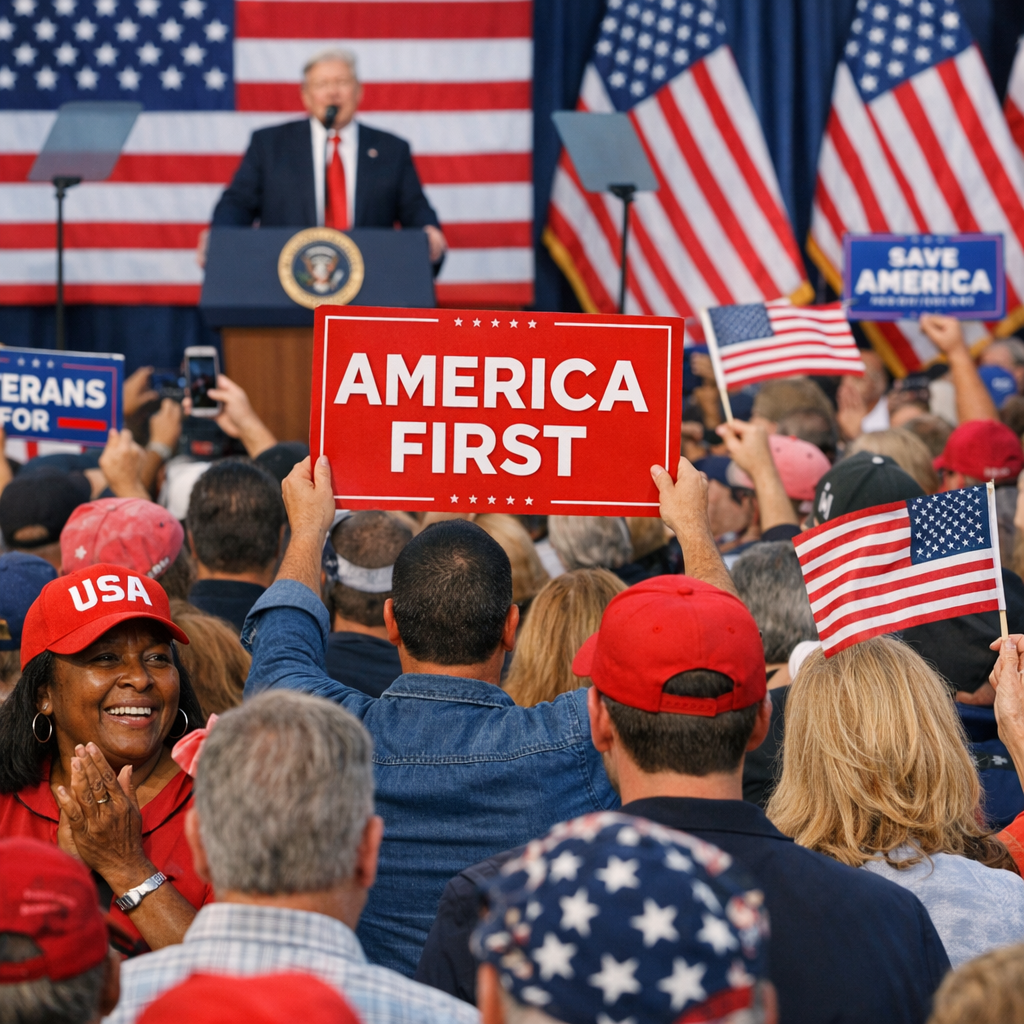
The United States is currently experiencing significant shifts in its political and economic spheres, with recent events underscoring the dynamic nature of the nation’s landscape.
Political Developments
In the political arena, the upcoming 2026 midterm elections are drawing considerable attention. All 435 seats in the House of Representatives and 35 Senate seats are up for grabs, with both major parties investing heavily in campaigns and voter outreach. The outcomes of these elections are poised to influence the legislative agenda on critical issues such as immigration, healthcare, and foreign policy.
Additionally, the Trump administration has been active in reshaping trade policies. Recent adjustments to tariffs on steel, aluminum, and copper, as well as agricultural equipment, reflect ongoing efforts to balance domestic industry support with international trade relations.
Economic Indicators
On the economic front, recent data presents a complex picture. September saw a 0.3% rise in wholesale inflation, maintaining the annual level at 2.7%. Retail sales increased by 0.2% during the same period; however, when adjusted for inflation, consumer spending effectively declined by 0.1%. This trend has contributed to a dip in consumer confidence, reaching its lowest point since April, as Americans express concerns about job security and the overall economic outlook.
In response to these indicators, the Federal Reserve is contemplating adjustments to interest rates. Some officials have signaled a potential rate cut in the near future, aiming to stimulate economic growth and bolster consumer confidence.
Implications for the Future
The interplay between political decisions and economic performance continues to shape the United States’ trajectory. As the nation approaches the midterm elections, the outcomes will likely have far-reaching effects on policy direction and economic strategies. Observers both domestically and internationally are closely monitoring these developments, recognizing their potential impact on global markets and diplomatic relations.