

The United States continues to experience significant political and economic shifts, with recent developments capturing global attention.
Political Developments
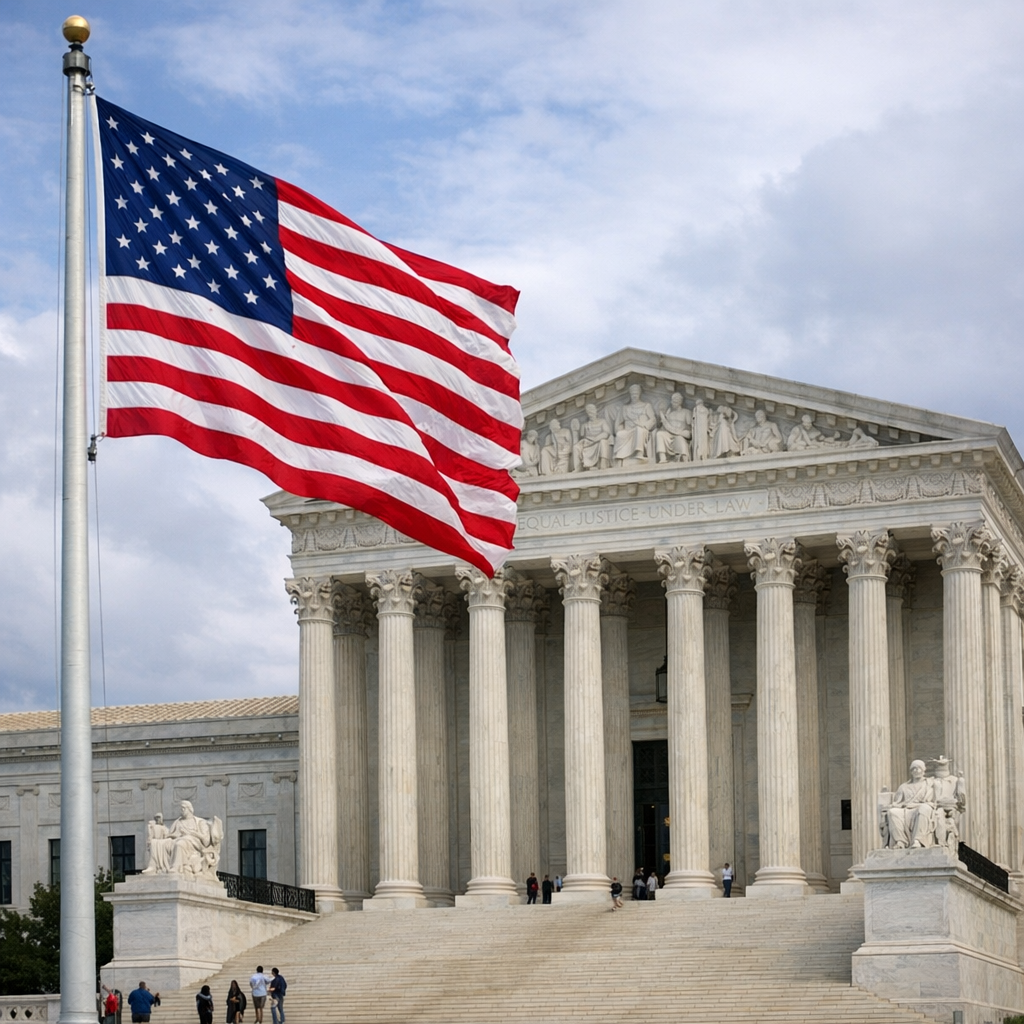
In a landmark decision, the U.S. Supreme Court ruled that President Donald Trump has the authority to dismiss heads of independent government agencies, a move that could reshape the structure of federal oversight. However, the Court made an exception for the Federal Reserve, maintaining its independence to ensure economic stability. This decision underscores the ongoing debate over executive power and the autonomy of federal institutions.
Additionally, the Supreme Court blocked President Trump from firing Federal Reserve Board member Lisa Cook, highlighting the judiciary’s role in maintaining checks and balances within the government.
Economic Indicators
The U.S. economy presents a mixed picture. While certain sectors show resilience, concerns persist over rising national debt and inflationary pressures. BlackRock CEO Larry Fink has issued warnings about the escalating U.S. national debt, emphasizing potential risks to long-term economic confidence. He noted that the growing debt could lead to higher interest costs and threaten overall economic stability.
Furthermore, the International Monetary Fund (IMF) has expressed concerns about the U.S. economy, citing risks from tariffs and increasing debt levels. The IMF highlighted that while the economy remains buoyant, these factors could pose significant challenges in the near future.
Global Implications
These developments have far-reaching implications. The Supreme Court’s decisions may influence global perceptions of U.S. governance and its commitment to institutional independence. Economically, the trajectory of the U.S. debt and inflation rates could impact global markets, affecting trade relations and investment strategies worldwide.
As the U.S. navigates these complex issues, the international community remains attentive to the potential ripple effects on the global stage.