

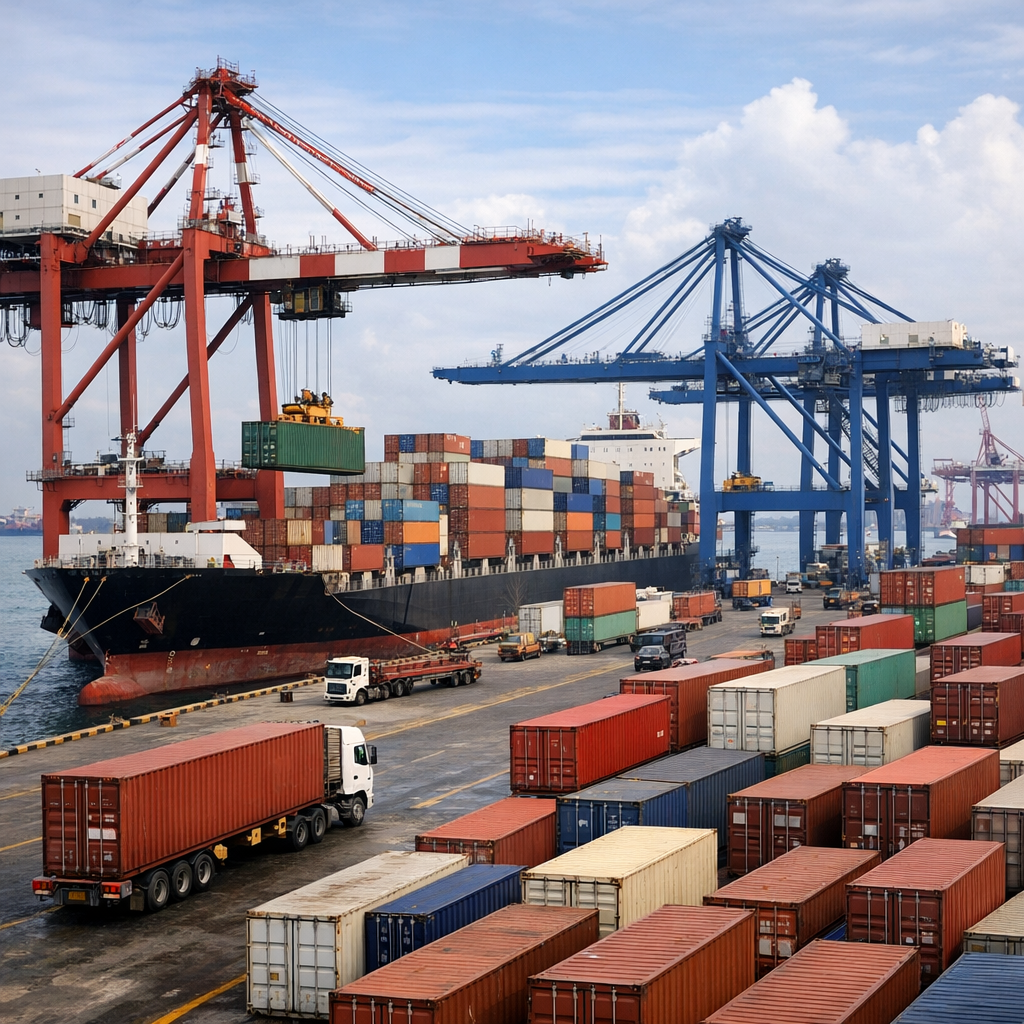
In recent years, the United States has undergone significant transformations in its trade policies, impacting global economic dynamics. These changes have introduced new challenges and opportunities for international businesses and economies worldwide.
Escalation of Tariffs
In early 2025, the U.S. implemented substantial import tariffs, marking a departure from decades of trade liberalization. The average effective U.S. tariff rate surged from approximately 2.4% in late 2024 to about 22% by April 2025, the highest level in a century. This escalation affected a wide range of goods and trading partners, leading to disruptions in global trade flows.
Legal Challenges and Policy Adjustments
In February 2026, the U.S. Supreme Court ruled that the administration overstepped its authority by imposing tariffs without Congressional approval. This decision led to the termination of certain tariffs and prompted the administration to explore alternative mechanisms, such as temporary import surcharges, to address trade imbalances.
Impact on International Trade
The heightened tariffs and subsequent policy shifts have introduced volatility into the global trade environment. Businesses have faced increased costs, supply chain disruptions, and uncertainty, prompting many to reassess their international trade strategies. Notably, U.S. companies have exhibited greater confidence in navigating these challenges compared to their global counterparts, partly due to accelerated adoption of new technologies.
Implications for Global Economies
For economies like the United Arab Emirates, these U.S. trade policy changes necessitate strategic adjustments. Diversifying trade partnerships, enhancing domestic industries, and staying informed about evolving U.S. policies are crucial steps to mitigate potential adverse effects and capitalize on emerging opportunities.
As the U.S. continues to refine its trade policies, global economies must remain agile and proactive to navigate the complexities of the international trade landscape effectively.