

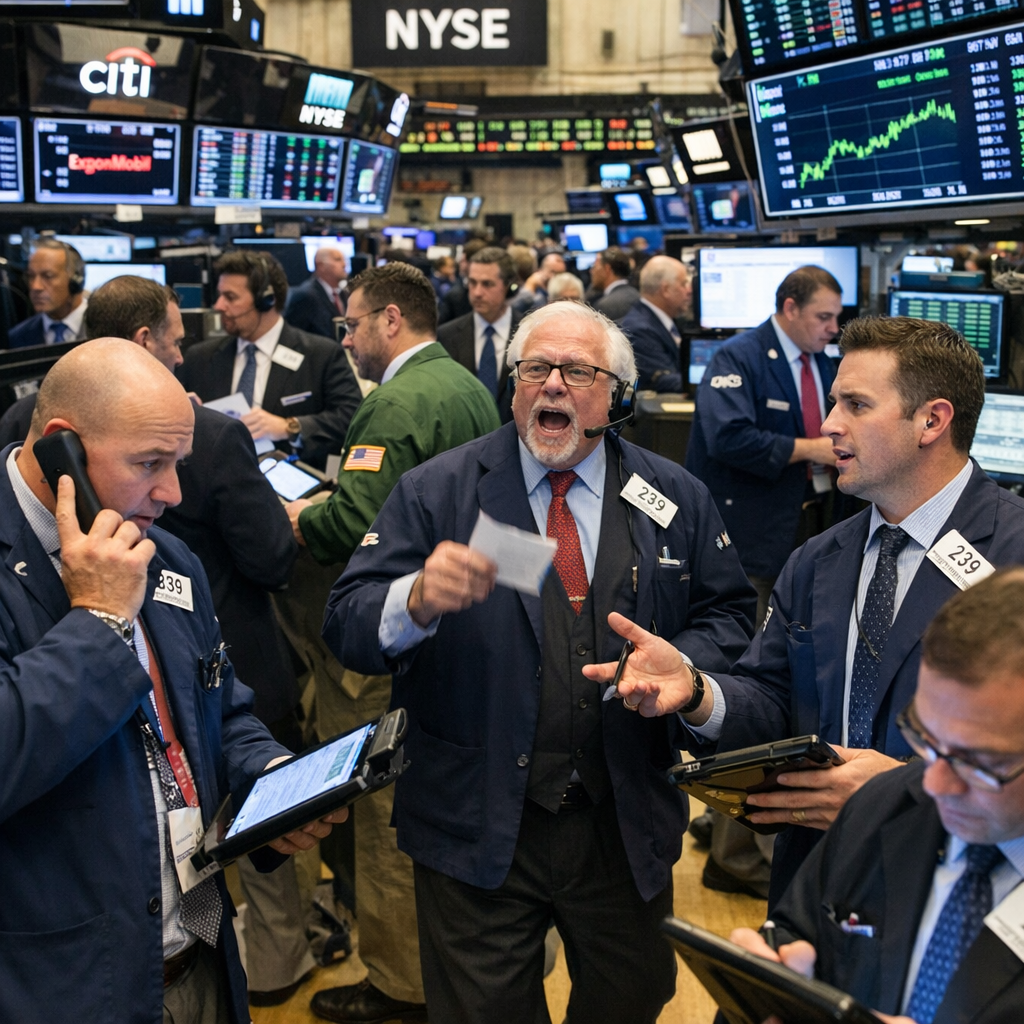
The United States economy is experiencing a period of significant transformation, influenced by evolving trade policies, inflationary pressures, and global economic dynamics. These changes have far-reaching implications, not only for American citizens but also for international partners, including those in the United Arab Emirates.
Trade Policies and Tariffs
President Donald Trump’s administration has implemented a series of tariffs aimed at protecting domestic industries. Notably, a 25% tariff on foreign automobiles has been introduced, with the administration asserting that such measures are revitalizing the U.S. auto industry. However, these tariffs have sparked debates regarding their potential to escalate trade tensions and impact global markets.
Inflation and Economic Indicators
Recent data indicates a rise in U.S. inflation rates, with consumer prices increasing by 3.3% year-on-year as of March 2026. This uptick is largely attributed to higher energy costs, influenced by geopolitical events such as the conflict in Iran. The Federal Reserve has maintained interest rates but has signaled the possibility of future adjustments to address these inflationary trends.
Global Implications
The U.S. economy’s trajectory holds significant implications for global trade partners. For the UAE, fluctuations in U.S. economic policies and market conditions can affect bilateral trade, investment flows, and economic strategies. Staying informed about these developments is crucial for businesses and policymakers aiming to navigate the interconnected global economy.