

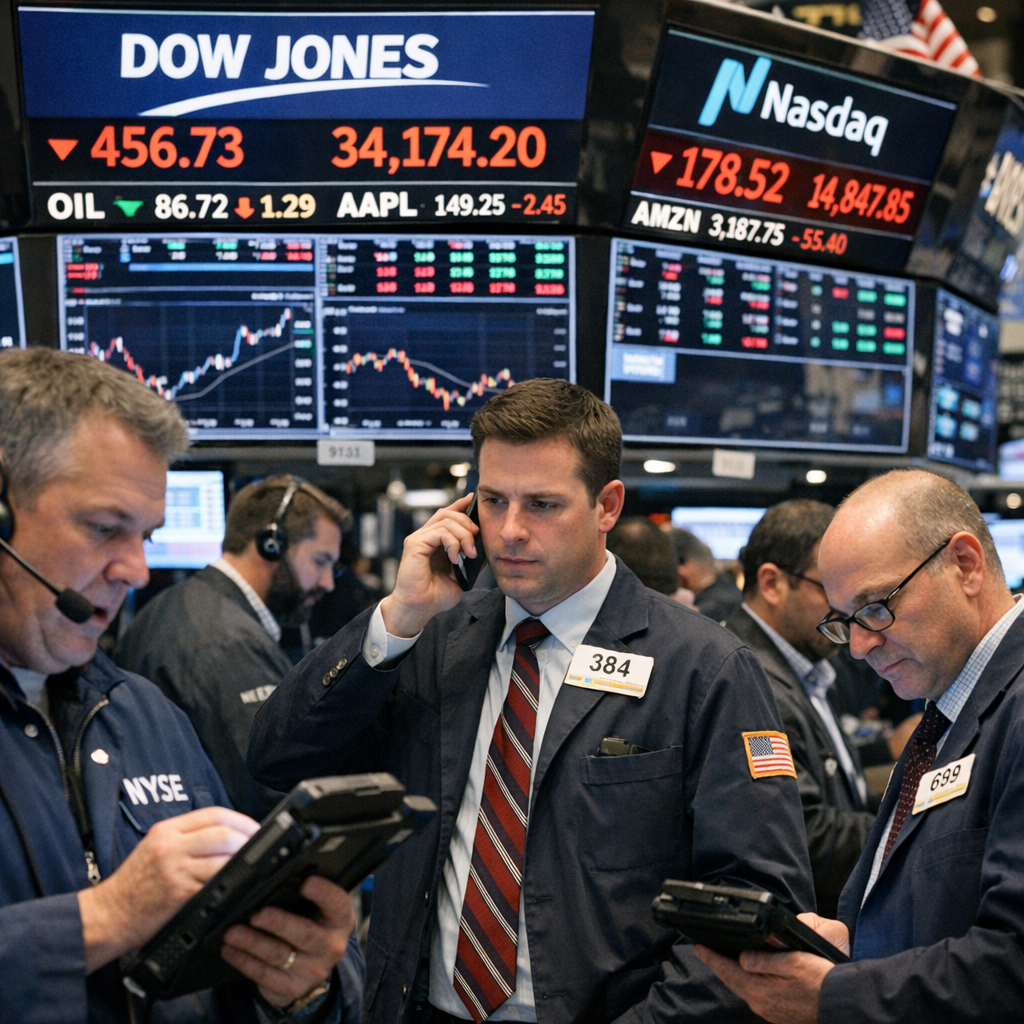
The United States economy is experiencing a period of significant change, marked by fluctuating inflation rates, evolving employment patterns, and impactful fiscal policies. Understanding these dynamics is crucial for both domestic and international stakeholders.
Inflation and Interest Rates
Recent data indicates a rise in U.S. inflation, with consumer prices increasing by 3.3% year-on-year as of March 2026. This uptick is largely attributed to escalating energy costs following geopolitical tensions in the Middle East. In response, the Federal Reserve has maintained interest rates but signaled potential hikes later this year to curb inflationary pressures.
Employment Trends
The labor market presents a mixed picture. While the unemployment rate remains relatively low at 4.2%, job creation has slowed, with only 73,000 jobs added in July 2025. Notably, the administration’s immigration policies have led to a reduction in foreign-born workers, impacting labor force dynamics.
Fiscal Policies and National Debt
Fiscal policies, including the implementation of new tariffs, have introduced additional complexities. The Treasury Department reported monthly tariff collections exceeding $29 billion, reflecting the administration’s trade strategies. Concurrently, concerns about the national debt are mounting, with total U.S. debt reaching $38.4 trillion as of January 2026. Experts warn that rising debt levels could elevate interest costs and threaten long-term economic confidence.
Global Implications
These economic developments have global ramifications. For instance, the International Monetary Fund projects a slowdown in global growth to 3.1% in 2026, influenced by factors such as the Middle East conflict and rising commodity prices. Emerging markets, particularly those reliant on commodity imports, may face heightened vulnerabilities.
In conclusion, the U.S. economy is navigating a complex landscape shaped by inflationary trends, labor market shifts, and fiscal policies. These factors not only influence domestic economic health but also have far-reaching effects on the global economic environment.