

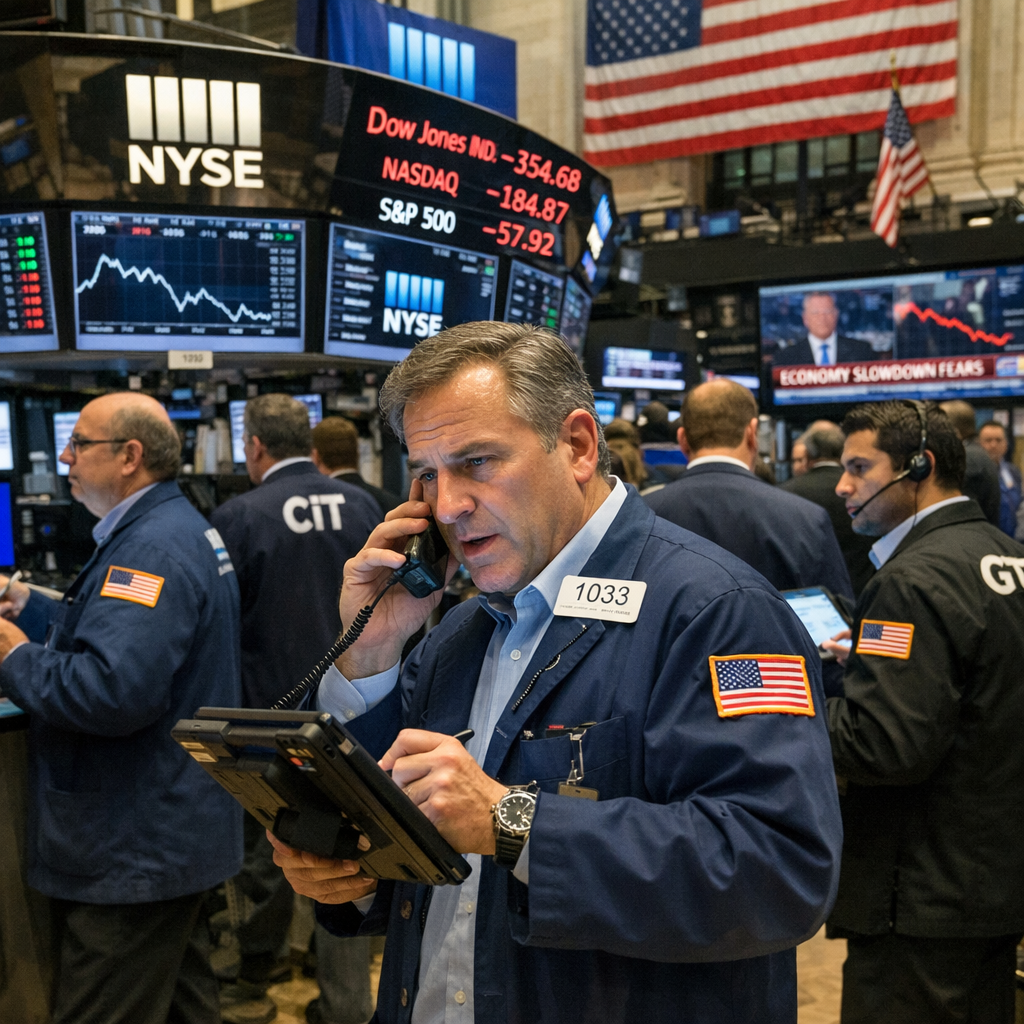
The United States economy continues to be a focal point of global attention, with recent developments highlighting both progress and challenges. Understanding these dynamics is crucial for international observers, including those in Dubai, as the U.S. economic landscape influences global markets and trade relationships.
Economic Growth and Inflation
According to the International Monetary Fund (IMF), the U.S. economy is projected to grow by 2.4% in the fourth quarter of 2026, an increase from the 2.2% growth observed in the previous year. This uptick is accompanied by a decline in unemployment rates, expected to drop from 4.5% in late 2025 to 4.1% in 2026. Inflation is anticipated to align with the Federal Reserve’s 2% target by 2027. These indicators suggest a resilient economy, albeit with cautious optimism due to underlying fiscal concerns.
Fiscal Challenges and National Debt
Despite positive growth projections, the U.S. faces significant fiscal challenges. BlackRock CEO Larry Fink has expressed concerns over the escalating national debt, which stood at $38.4 trillion as of January 2026. The rising debt levels could lead to increased interest costs, potentially crowding out other essential spending and posing risks to long-term economic stability. Fink emphasized the need for sustained economic growth to improve the debt-to-GDP ratio and maintain investor confidence.
Trade Policies and Tariffs
Trade policies continue to play a pivotal role in shaping the U.S. economic landscape. The Trump administration has implemented new tariffs on various countries, aiming to bolster domestic industries. While these measures have generated additional revenue, they have also raised concerns about potential inflationary pressures and retaliatory actions from trade partners. Businesses and consumers are closely monitoring these developments, as they could impact prices and supply chains.
Implications for Global Markets
The interplay between economic growth, fiscal policies, and trade measures in the U.S. has far-reaching implications for global markets. For stakeholders in Dubai and the broader Middle East, staying informed about these trends is essential for strategic planning and investment decisions. The U.S. economy’s trajectory will continue to influence global trade dynamics, currency valuations, and economic policies worldwide.
In conclusion, while the U.S. economy shows signs of growth and resilience, it also faces challenges that require careful navigation. Observers and investors should remain vigilant, considering both the opportunities and risks presented by the evolving economic landscape.