

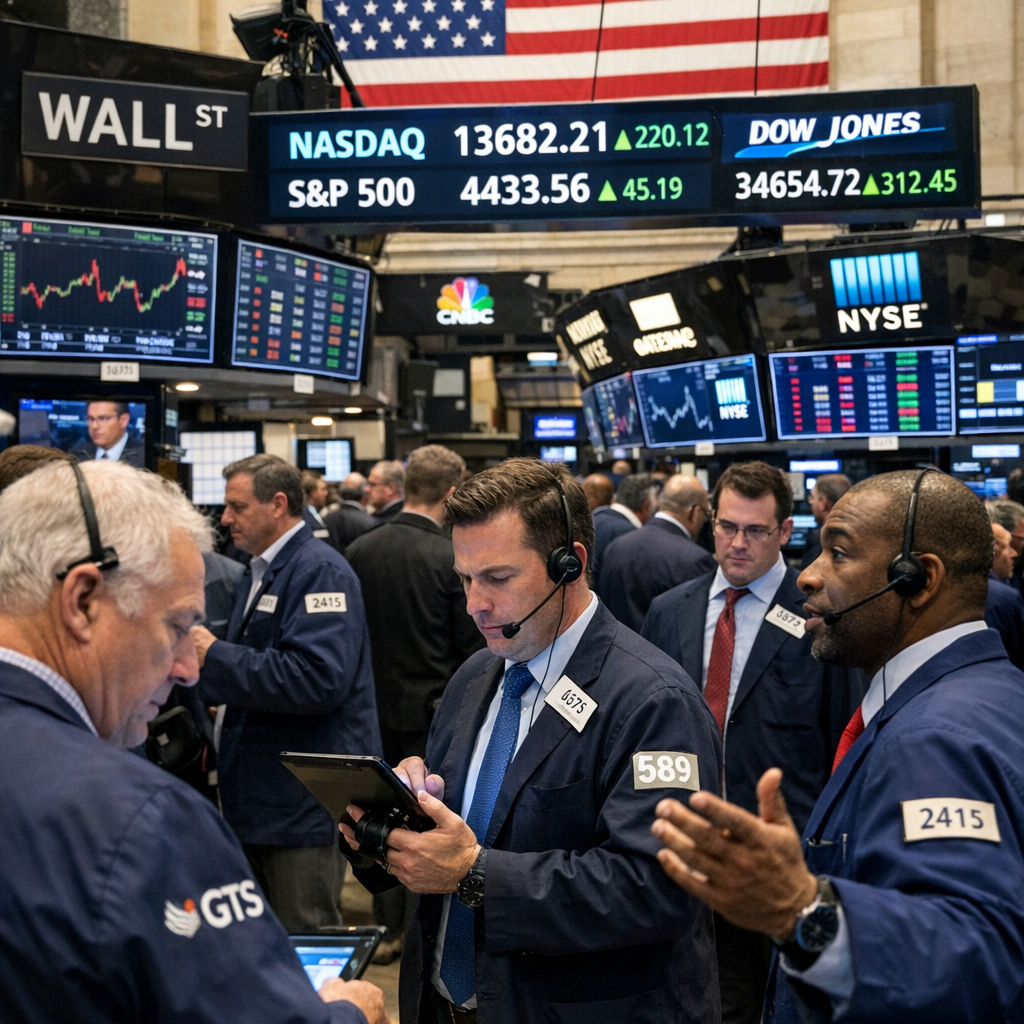
The United States economy is currently experiencing a period of significant transformation, marked by a complex interplay of factors influencing its trajectory. As of August 2026, several key elements are shaping the economic landscape.
Inflation and Consumer Concerns
Inflation remains a pressing issue for many Americans. A survey conducted in October 2024 revealed that 41% of respondents identified inflation as their top economic concern. This sentiment has persisted, with rising costs in essential sectors such as healthcare, education, and housing placing considerable strain on household budgets.
Policy Responses and Economic Indicators
In response to these challenges, the Federal Reserve has maintained a cautious approach to interest rates, aiming to balance the need for economic growth with inflation control. The unemployment rate has stabilized around 4%, reflecting a resilient labor market. However, the national debt has continued to rise, reaching approximately $36.2 trillion, prompting debates over fiscal responsibility and long-term economic sustainability.
Political Landscape and Economic Implications
The political environment has also played a pivotal role in shaping economic policies. The second term of President Donald Trump has seen the implementation of tariffs on various trading partners, leading to fluctuations in market confidence and stock market volatility. Additionally, the administration’s decision to withdraw from the World Health Organization in January 2026 has sparked discussions on the potential economic ramifications of reduced international collaboration.
Looking Ahead
As the U.S. navigates these economic challenges, policymakers and citizens alike are closely monitoring developments. The interplay between inflation control, fiscal policies, and international relations will be crucial in determining the nation’s economic trajectory in the coming months and years.