

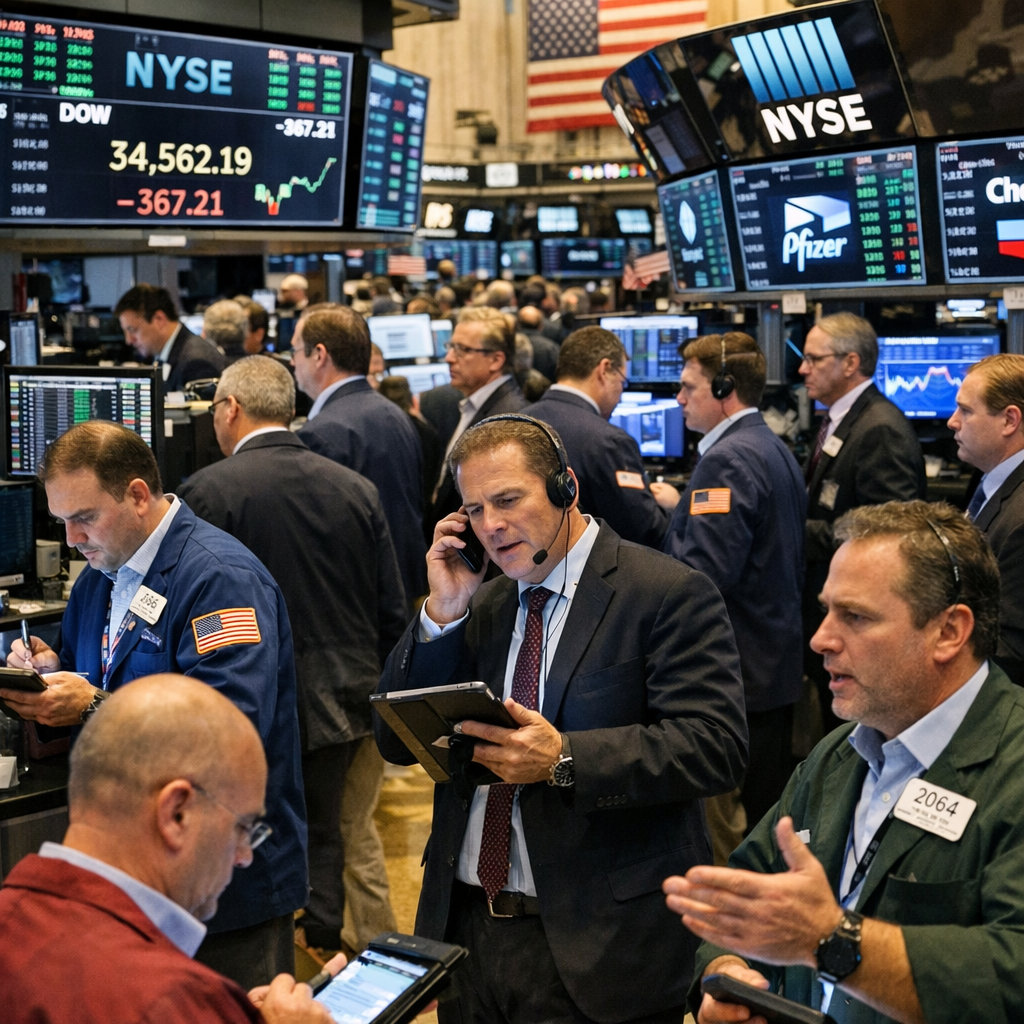
The United States economy has experienced notable changes in recent times, marked by shifts in growth rates, labor market dynamics, and trade policies. Understanding these developments is crucial for comprehending the current economic landscape.
Economic Growth Trends
After a period of robust expansion, the U.S. economy has shown signs of moderation. While specific figures vary, there is a consensus that growth has decelerated compared to previous years. This slowdown is attributed to factors such as tighter financial conditions and trade uncertainties.
Labor Market Dynamics
The labor market has also experienced changes, with a noticeable cooling in hiring activities. Sectors sensitive to interest rates, including retail, construction, and manufacturing, have seen a decline in job additions. Consequently, the unemployment rate has edged higher, reflecting these labor market adjustments.
Trade Policies and Global Impact
Trade policies have been a focal point, with the administration implementing tariffs on various imports. These measures have led to shifts in trade flows and have contributed to global supply chain adjustments. The narrowing of the trade deficit has been highlighted as a positive outcome, though economists caution that this may also reflect softer domestic demand.
In summary, the U.S. economy is navigating a period of transition, influenced by policy decisions and global economic conditions. Monitoring these trends will be essential for stakeholders aiming to adapt to the evolving economic environment.