

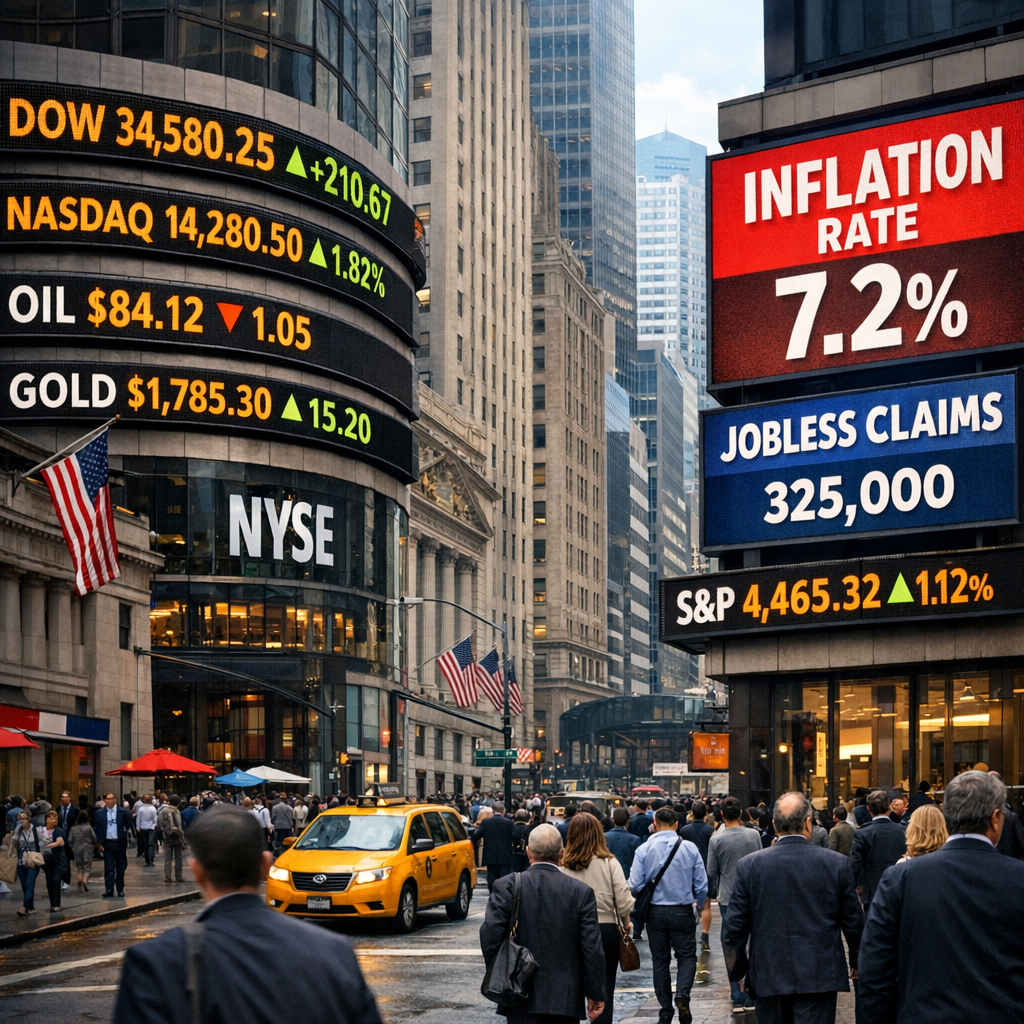
The United States economy continues to be a focal point of global attention, with recent developments highlighting both growth and challenges. The International Monetary Fund (IMF) has projected a ‘buoyant’ U.S. economy, anticipating accelerated growth and lower unemployment rates. However, the IMF also warns of potential risks stemming from rising federal budget debts, which could pose stability concerns in the future.
Inflation remains a pressing issue, with consumer prices experiencing significant increases. In March, U.S. consumer prices rose sharply, with headline inflation climbing to 3.3% year-on-year, largely driven by energy costs. This surge has been attributed to various factors, including geopolitical tensions and supply chain disruptions.
Trade policies have also played a pivotal role in shaping the economic landscape. The Trump administration’s imposition of broad tariffs has led to concerns about renewed inflation and potential economic slowdowns. Federal Reserve officials have noted that while the underlying U.S. economy appears solid, there is apprehension regarding the impact of these tariffs on future economic performance.
Furthermore, the national debt has reached unprecedented levels, prompting warnings from financial leaders. BlackRock CEO Larry Fink has expressed concerns that the ballooning U.S. national debt could threaten long-term economic confidence, emphasizing the need for fiscal discipline to maintain economic stability.
In summary, while the U.S. economy shows signs of strength, it faces several challenges that require careful navigation. Policymakers and economic leaders must address these issues to ensure sustained growth and stability in the years to come.