

The United States is currently experiencing a period of significant economic and political transformation. Understanding these shifts is crucial for both domestic and international observers.
Economic Landscape
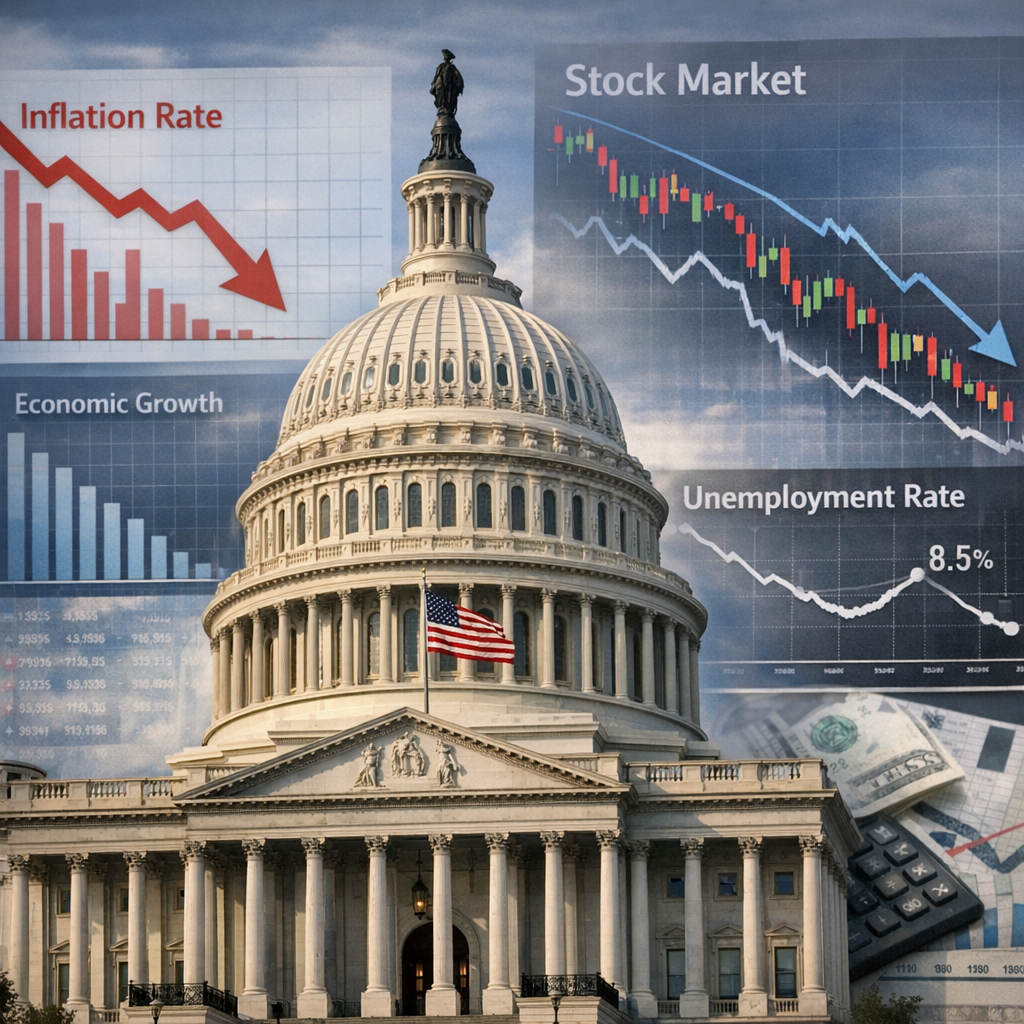
In 2025, the U.S. economy demonstrated resilience, achieving a 2% growth rate despite policy uncertainties and a government shutdown in the fourth quarter. This growth was underpinned by strong productivity gains. Inflation remained stable, with tariff-induced increases in goods prices offset by declines in services inflation. The fiscal deficit narrowed slightly, yet both national debt and the current account deficit remained elevated. Looking ahead, projections suggest a modest acceleration in GDP growth to 2.4% in 2026, with core inflation expected to return to 2% by the first half of 2027. Employment growth is anticipated to slow, but the unemployment rate should hover around 4%.
Political Dynamics
The political landscape in the U.S. is becoming increasingly complex. Recent analyses have identified nine distinct political typology groups, reflecting a spectrum of values and beliefs that transcend traditional partisan lines. This diversity presents challenges for both major political parties as they strive to build coalitions that address the varied concerns of the electorate.
Global Implications
These economic and political developments in the U.S. have far-reaching implications. For international partners, including those in the United Arab Emirates, staying informed about these trends is essential for strategic planning and fostering robust bilateral relations.