

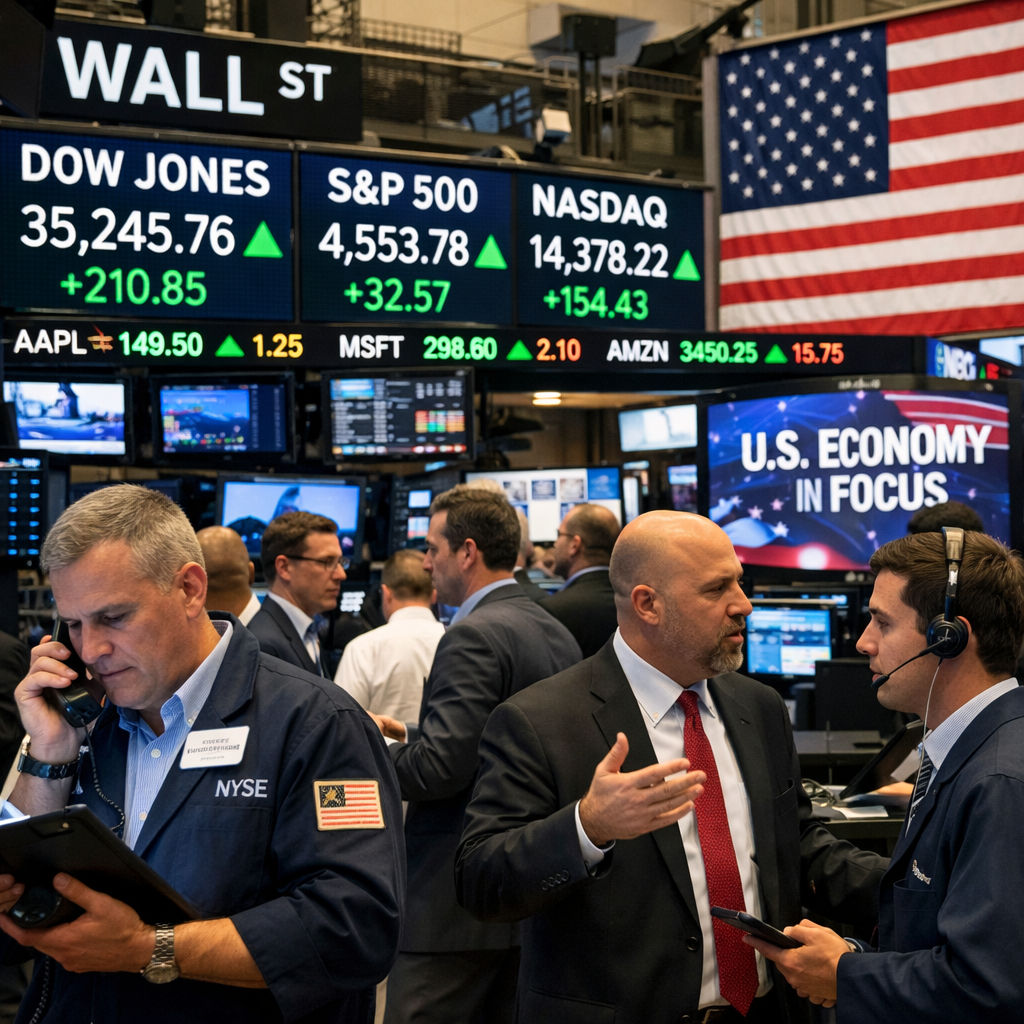
The United States is currently experiencing significant shifts in both its economic and political spheres, with recent events shaping the nation’s trajectory.
Economic Developments
Recent data indicates a complex economic landscape. In September, wholesale inflation rose by 0.3%, maintaining the annual level at 2.7%. Retail sales saw a modest increase of 0.2% during the same period; however, when adjusted for the 0.3% rise in prices, actual spending declined by 0.1%. Additionally, consumer confidence in November fell to its lowest point since April, reflecting growing concerns among Americans about job security, the cost of living, and the broader economic outlook.
Political Landscape
The political environment is equally dynamic. The upcoming 2026 midterm elections are poised to be pivotal, with all 435 House seats and 35 Senate seats up for grabs. The outcomes will significantly influence the remainder of President Donald Trump’s term, especially given the record number of incumbents not seeking re-election. Both major parties are intensifying efforts in candidate recruitment, fundraising, and voter mobilization to secure favorable results.
Furthermore, the U.S. has been actively engaged in international affairs, notably with the ongoing conflict in Iran. The war has introduced additional complexities to the nation’s foreign policy and economic strategies, particularly concerning energy markets and global alliances.
Implications
These developments underscore the intricate interplay between economic indicators and political decisions. As the U.S. navigates these challenges, the outcomes will have profound implications not only domestically but also on the global stage, influencing international relations and economic partnerships.