

The United States continues to experience significant shifts in its economic and political arenas, with recent developments influencing both domestic and international perspectives.
Economic Landscape
Recent data indicates a complex economic environment. In May, producer prices rose by 1.1%, matching April’s increase and pushing annual wholesale inflation to 6.5%, the highest since late 2022. This surge was primarily driven by higher energy costs, but also reflects brisk price increases across a range of non-energy goods and industrial inputs. Source
Additionally, the Federal Reserve has maintained interest rates, with Chairman Jerome Powell set to remain on board. This decision comes amidst ongoing discussions about the impact of recent inflation trends and the broader economic outlook. Source
Political Developments
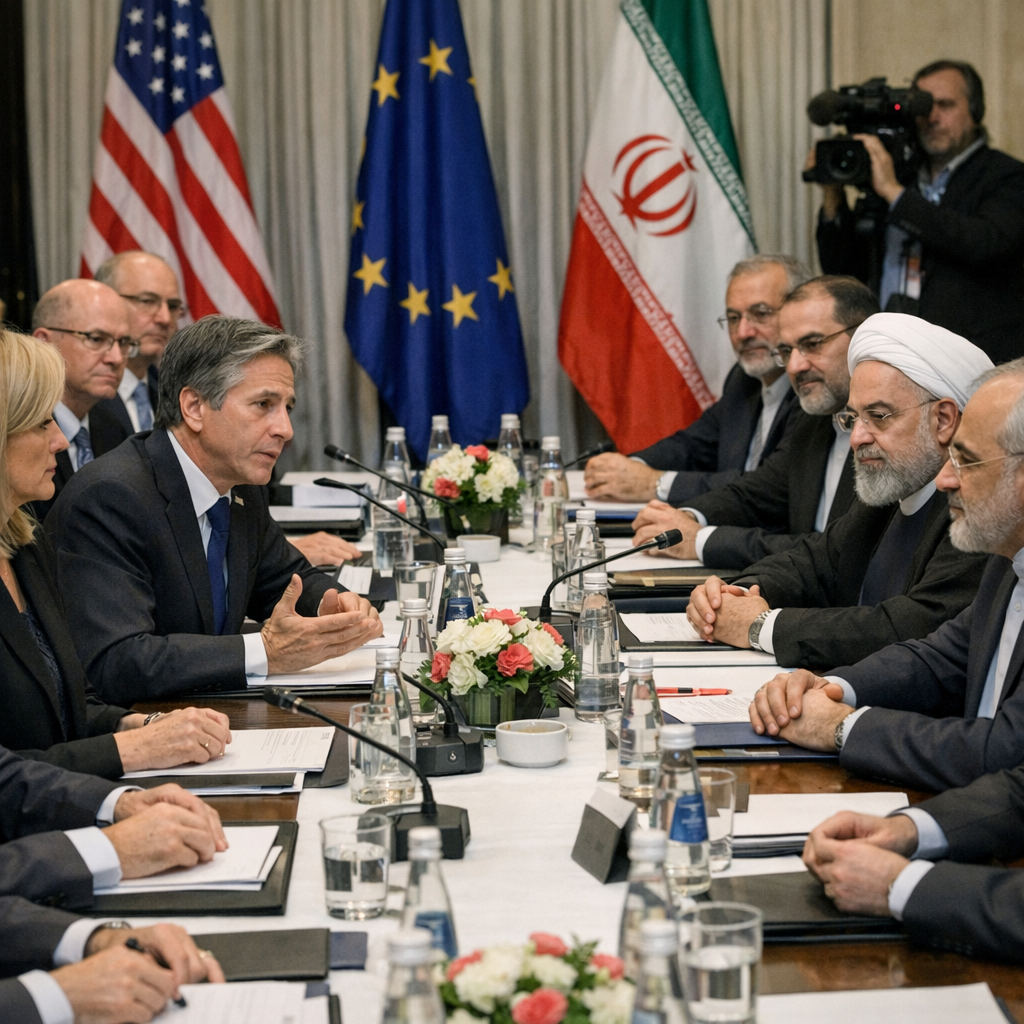
On the political front, President Donald Trump has been actively engaging in international diplomacy. He recently announced that a peace deal with Iran could be signed by Sunday, with the Strait of Hormuz expected to open shortly thereafter. This development has significant implications for global trade and energy markets. Source
Domestically, the political landscape remains dynamic as the nation approaches the 2026 midterm elections. The administration’s policies, including tariffs and trade measures, continue to influence both the economy and public opinion. Source
Implications for the UAE
For the United Arab Emirates, these developments in the U.S. hold particular significance. The potential opening of the Strait of Hormuz could impact global oil markets, affecting both prices and trade routes. Additionally, shifts in U.S. economic policies and inflation trends may influence global financial markets, with potential ripple effects on the UAE’s economy.
As the U.S. navigates these complex economic and political waters, it is crucial for international partners, including the UAE, to stay informed and adapt to the evolving landscape.