

The United States economy continues to exhibit resilience amid various challenges, with recent data indicating positive trends in employment and ongoing discussions about monetary policy adjustments.
Employment Growth
In May, the U.S. economy added 172,000 jobs, maintaining the unemployment rate at 4.3%. This steady job growth suggests a strengthening labor market, even as the nation navigates complex economic landscapes.
Inflation and Monetary Policy
Inflation remains a focal point for policymakers. Recent statements from Federal Reserve officials highlight the potential for interest rate hikes to address persistent inflationary pressures. Dallas Fed President Lorie Logan noted that robust consumer spending and strong corporate earnings could necessitate such measures.
Market Dynamics
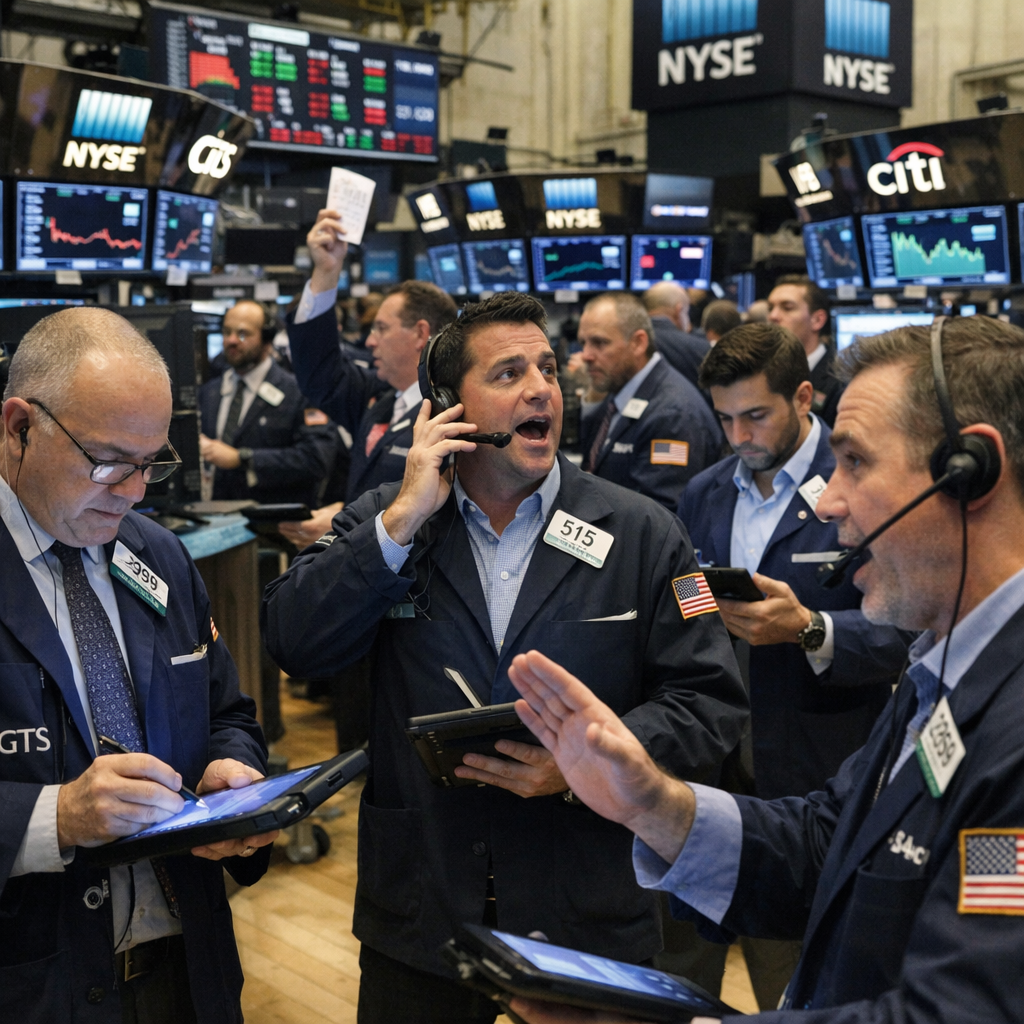
Financial markets have responded to these developments with notable volatility. The technology sector, particularly semiconductor stocks, experienced significant declines amid rising bond yields and concerns over growth expectations in the artificial intelligence industry.
Global Trade Considerations
On the international front, the U.S. Supreme Court’s decision to strike down broad tariff measures has implications for global trade relations. This ruling may influence the administration’s trade policies and their impact on domestic industries.
As the U.S. approaches the 2026 midterm elections, economic performance remains a critical issue for voters. The interplay between job growth, inflation control, and trade policies will likely shape the political discourse in the coming months.