

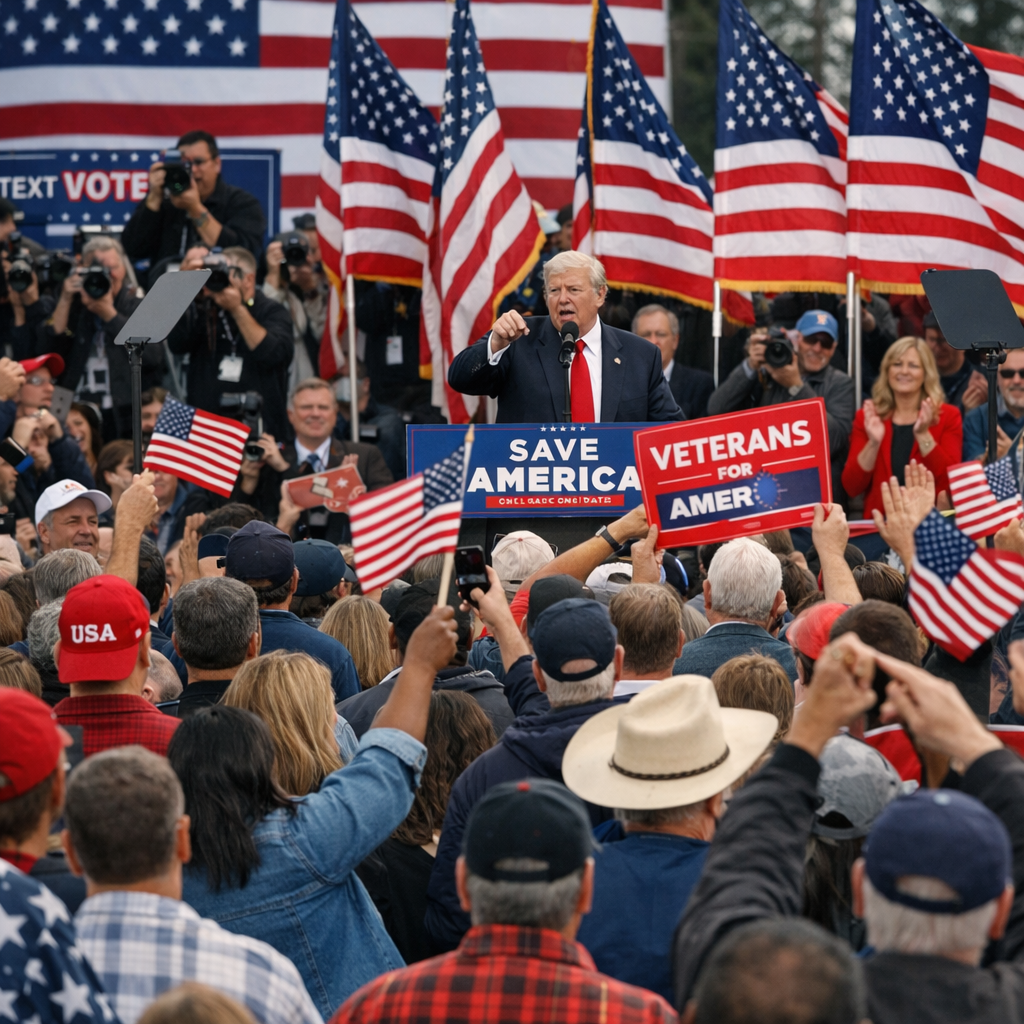
The United States is currently experiencing significant shifts in its political and economic arenas, with recent events shaping the nation’s trajectory.
Political Developments
In the political sphere, the upcoming 2026 midterm elections are drawing considerable attention. All 435 House seats and 35 Senate seats are up for grabs, with both major parties investing heavily in campaigns and voter outreach. The outcomes of these elections are poised to influence key policy areas, including immigration, healthcare, and foreign relations.
Additionally, redistricting efforts across various states are causing debates. For instance, Florida’s proposed congressional maps could potentially alter the balance of power, affecting representation and legislative priorities.
Economic Landscape
On the economic front, the U.S. is grappling with challenges such as inflation and trade tensions. The Federal Reserve has maintained interest rates but signaled potential hikes to address rising inflation concerns. The ongoing trade disputes, particularly with countries like Canada, have led to the imposition of tariffs, impacting various sectors and contributing to market volatility.
Furthermore, the war in Iran has had repercussions on global energy markets, leading to increased oil prices and influencing domestic economic conditions.
Implications
These developments underscore the interconnectedness of political decisions and economic outcomes. As the U.S. navigates these complexities, the global community, including regions like the Middle East, remains attentive to the ripple effects on international relations and economic stability.