

The United States continues to experience significant changes in its economic and political spheres, with recent developments shaping the nation’s trajectory.
Economic Developments
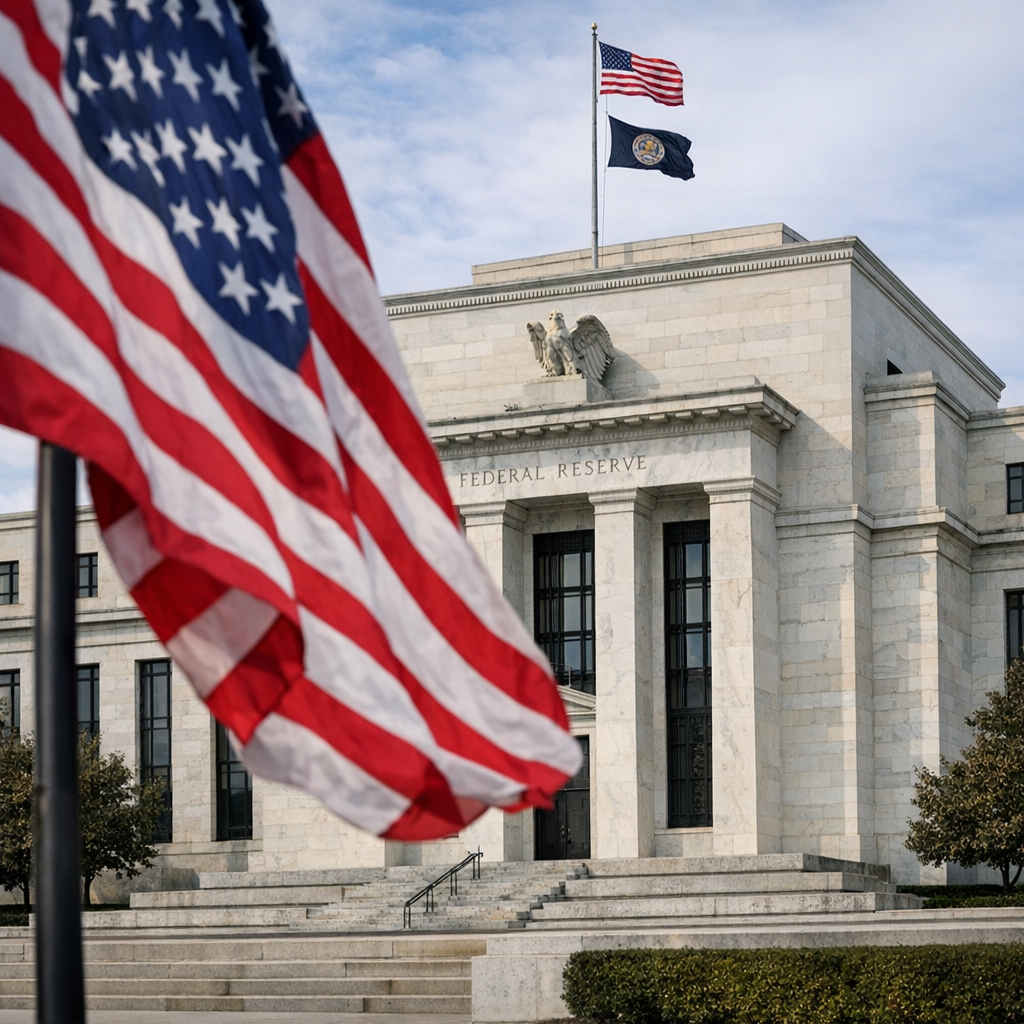
Recent data indicates a rise in inflation, with the annual rate reaching 4.2% in May, marking the highest level in three years. This surge is attributed to various factors, including increased energy prices and supply chain disruptions. The Federal Reserve has maintained interest rates, with Chair Jerome Powell set to continue his tenure, signaling a steady approach to monetary policy.
In the technology sector, the U.S. government has taken a 10% stake in Intel to bolster the economy and secure America’s technological edge. Additionally, companies like TSMC and Micron Technology have announced substantial investments in semiconductor manufacturing within the U.S., aiming to enhance domestic production capabilities.
Political Landscape
On the political front, the Department of Justice is investigating California Governor Gavin Newsom and his wife regarding their finances and nonprofit affiliations. This inquiry underscores the ongoing scrutiny of public officials’ financial dealings.
In international relations, the U.S. has imposed tariffs on various countries, including key trading partners, reversing its previous support for free trade. These measures have led to shifts in global trade dynamics and have been a focal point of the current administration’s economic policy.
These developments reflect the dynamic nature of the U.S. economy and political environment, with ongoing changes influencing both domestic and international affairs.