

By Layla Al-Mansoori
Forced Displacement: More Than a Statistic
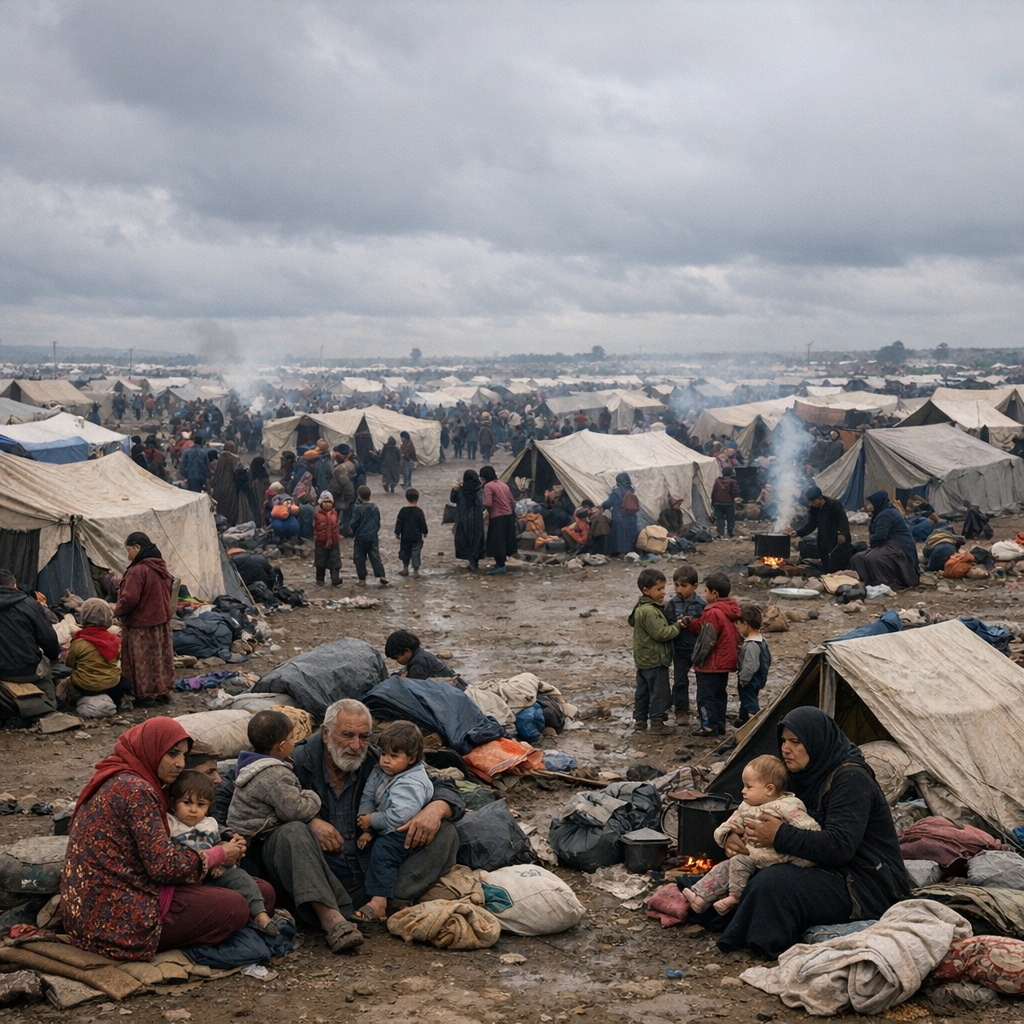
In recent years, the number of people forced to leave their homes due to conflict, persecution or environmental degradation has reached alarming levels. By late 2025, over 117 million people worldwide were displaced—unable to return safely, many living in exile or makeshift conditions for years. Sudan alone accounted for the largest single displacement crisis, with millions internally displaced or seeking refuge across borders. Even when refugee populations decreased slightly globally, returns often occurred under difficult circumstances, lacking adequate protections or sustainable reintegration. These are not just numbers; they represent lost years of schooling, fractured families, and strained infrastructures in host regions. Governments and international agencies emphasize the urgent need for solutions—not just emergency aid, but robust policies allowing refugees access to legal status, health, education, and employment.
Immunization at a Crossroads
Vaccination programmes are showing signs of recovery after the dramatic disruptions during the COVID-19 pandemic, but many global immunization goals remain off course. About 13.5 million children under one year old didn’t receive any vaccines in 2025—so-called “zero-dose” children. While vaccine coverage for key diseases has improved modestly, important targets of the Immunization Agenda 2030 are still out of reach. In particular, coverage rates in middle- and high-income countries are slipping due to vaccine hesitancy and shifting political priorities. Fragile and conflict-affected settings continue to lag significantly behind. Renewed global investment, stronger health systems, and credible community outreach are essential to reduce preventable disease outbreaks and protect the most vulnerable.
Climate Cooperation: Scaling Up, Not Just Showing Up
The global climate agenda is evolving, with countries negotiating how to move from commitments to tangible results. Recent international meetings have pushed forward plans around carbon market mechanisms, just transition frameworks, and energy sector reforms. For example, major targets have been set to increase electricity’s share in energy demand, reduce urban energy use, and manage waste growth. However, key debates linger over the metrics for adaptation, which would help track progress on resilience, especially in places most threatened by climate shocks. Finance for climate action also remains contentious, with developing nations seeking greater support to meet their goals. As COP forums resume, the impact will depend not just on what’s agreed on paper, but on the depth of follow-through in policy, investment and implementation.
Looking Forward
These three global challenges—displacement, immunization, climate action—are interlinked. Conflict and climate extremes displace populations, who then face health vulnerabilities. Weak health systems make communities more exposed to disease. Meanwhile, climate change amplifies displacement and strains public health.
The urgent question for leaders globally—and for us observing from Dubai and across the UAE—is how to sustain momentum. Real progress will come from creative partnerships between nations, civil society and private sectors; from enforceable international agreements; and from amplifying the voices of those most impacted. When global cooperation delivers real outcomes, the world moves—together.