

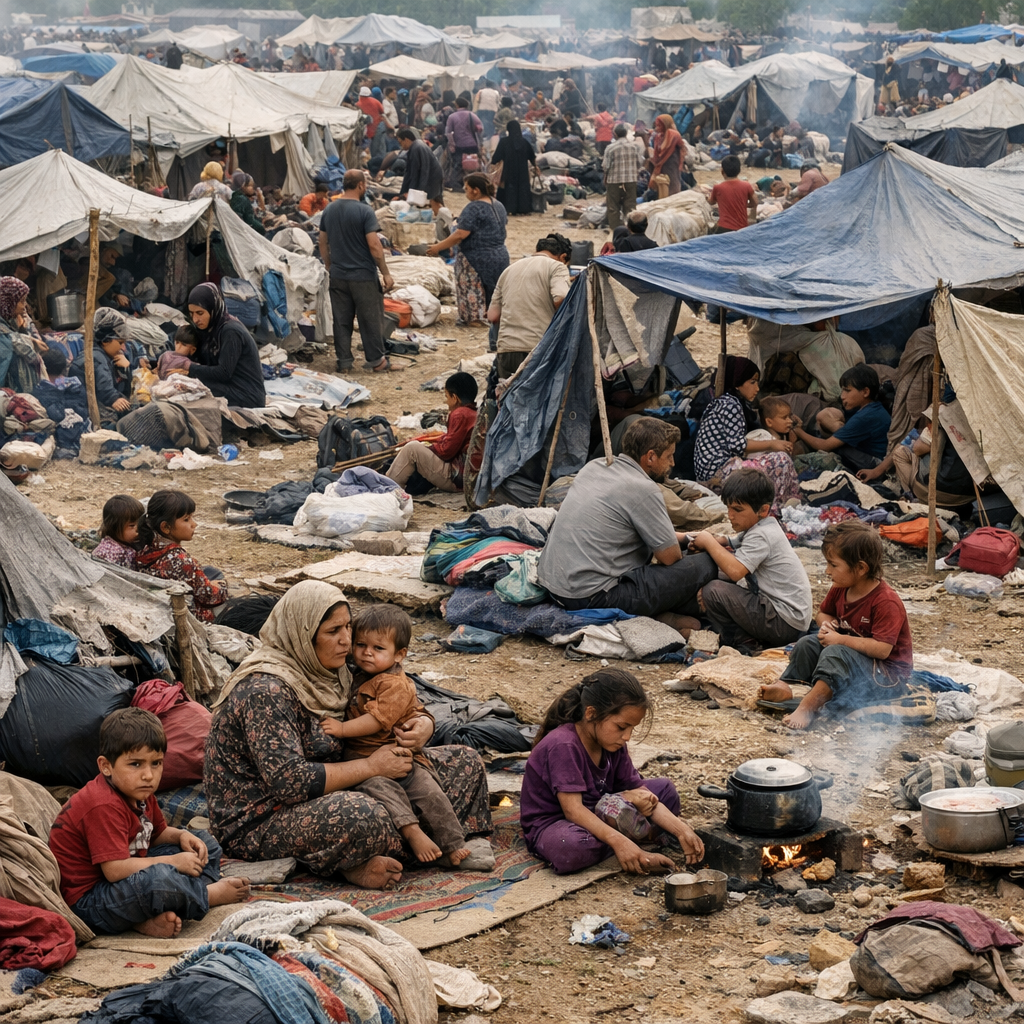
Globally, there's a subtle shift underway in how we understand and respond to forced displacement. According to the latest UNHCR report, 2025 saw a small but significant decline—only the first such in a decade—in the number of people forced to flee their homes due to war, persecution and violence. Yet beneath the statistics lies a sobering reality: for millions, displacement has become a permanent state, not a crisis to be resolved.
Understanding the Numbers
As of end-2025, there were about 117.8 million forcibly displaced people world-wide. This includes refugees crossing borders (41.6 million), internally displaced people (IDPs) who remain within their country (68.7 million), and asylum seekers awaiting decisions.
Fewer people fled their homes last year—about 5.4 million compared to previous years. That drop is accompanied by a rise in returns: some 14.7 million displaced people returned home, a 50% increase over 2024. But returns haven’t always translated into safety or stability. Many returnees now face destroyed infrastructure, limited services, and social tensions.
Long-term Displacement: A Global Challenge
Around seven in ten refugees remain in displacement for years if not decades. For host countries, especially in the Global South, the burden is ongoing—to provide shelter, education, healthcare, and livelihood opportunities to people who often can’t go home.
One notable case is Sudan, with 9.1 million people internally displaced by the end of 2025. Conflict-related displacement intensified in regions where violence continues, while in others returns occurred under difficult conditions.
Why This Matters for Dubai and Beyond
For Dubai and the UAE, understanding displacement is both humanitarian and strategic. The UAE has a long history of contributing to relief efforts abroad, and regional stability—including in countries where displaced populations originate—affects migration patterns, development partnerships, and security. The trend towards “long-term displacement” highlights that short-term relief is not enough: there is growing need for sustainable solutions that support integration, economic inclusion, and durable peace.
Paths Forward: What Sustainable Solutions Could Look Like
- Inclusive development programmes: Education, vocational training, and legal protection help displaced people rebuild.
- Greater investment in host communities: Expanding infrastructure, public services, and job opportunities—not just for displaced people but for all in affected regions.
- Supporting return safely: Reintegrating people back home must include rebuilding homes, restoring services, and ensuring social cohesion.
- Strengthened global cooperation: Developed nations must uphold financial commitments and enable capacity building for vulnerable countries hosting large refugee populations.
Looking Ahead
The small drop in displacement figures shows that change is possible—but it’s fragile. For the hundreds of millions who remain in limbo, every delayed investment, every broken promise, and every day without a durable solution compounds hardship. Dubai and the broader region are uniquely positioned to help advance new approaches—through diplomacy, generous aid, and long-term engagement with displaced populations. Because ultimately, the world does not just need fewer people fleeing— it needs more people returning safely, living with dignity, and rebuilding their lives.