

By Layla Al-Mansoori
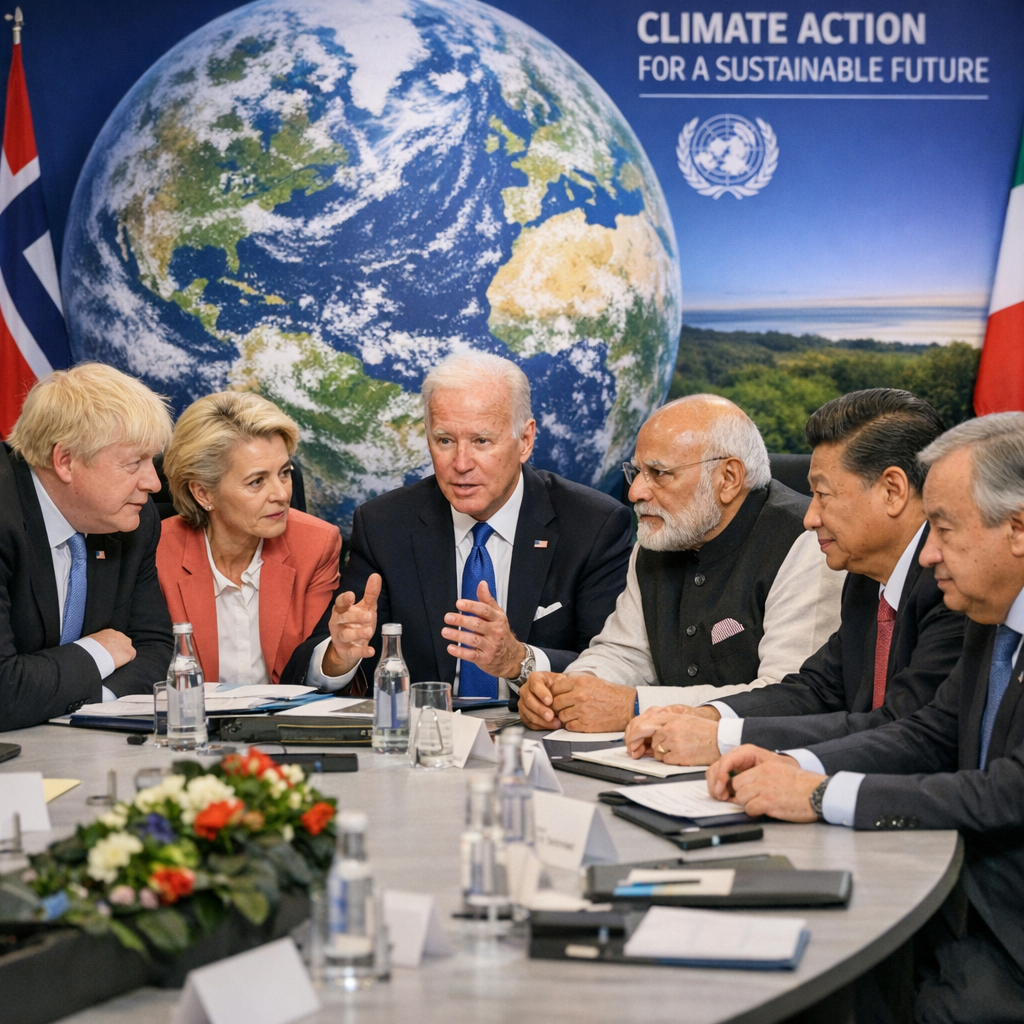
In a world facing converging crises—from unabated climate change and biodiversity loss to geopolitical strife—traditional diplomatic models are proving strained. Leaders and negotiators increasingly recognize that setting ambitious goals at multilateral summits is not enough. What matters now is transforming those goals into tangible action.
From COPs to Coalitions
While summits like the annual COP (Conference of the Parties) remain crucial for setting global targets, there is a noticeable surge in “coalitions of the willing” and sectoral partnerships. These alliances, featuring governments, businesses, cities and civil society, allow nimble, context-specific responses that multilateral forums struggle to deliver swiftly.
For example, multiple regions have committed to improving outcomes in electrification, waste reduction, energy-intensity in construction, and resilient urban planning—targets that emerged from recent UN climate meetings but now live through coalitions rather than solely through UN mandates.
Climate Change as a Security Imperative
No longer viewed only as an environmental or humanitarian issue, climate change is increasingly considered a national and international security matter. Risks such as cross-border resource scarcity, migration pressure, and extreme weather events are now integral to many countries’ risk assessments. In some cases, climate diplomacy is dovetailing with defense, trade, and infrastructure policy.
This broader frame is reshaping negotiations. Instead of debating high-level targets in abstraction, discussions are centering on how to protect infrastructure and livelihoods, preserve biodiversity as ecosystem service, and build resilience into every sector.
Where Implementation Counts
Implementation has become the watchword. Negotiators, development banks and civil society are focusing less on declarations and more on measurable outcomes: expanding renewables, restoring ecosystems, phase-out schedules for fossil fuels, and ensuring they leave no one behind—economically or socially.
Key mechanisms—including work programmes on adaptation and the just transition, and peer-exchange workshops—are helping translate policy into practice. Nations with smaller bureaucracies or more limited resources are especially benefiting when solutions are shared globally.
The Role for UAE and the Region
The Gulf region, including the UAE, finds itself well placed to contribute. Extensive investments in clean energy projects, smart city innovation and water conservation set solid examples. The UAE’s growing participation in global initiatives for climate resilience, carbon markets, and adaptation funds shows its potential to serve as both catalyst and bridge between developed and developing nations.
But challenges remain: overcoming infrastructure lag, expanding financial access for smaller players, and ensuring that local communities are part of decision-making. Diplomacy without inclusivity risks creating agreements that look good on paper but fail in practice.
Looking Ahead
The next milestones—particularly the upcoming global climate stocktakes, new finance pledges, and implementation reviews—will test whether climate diplomacy has truly evolved. Success depends less on rhetoric and more on whether agreements are backed by resources, transparency, and participation.
A world “built on interdependence”—as called for by global leaders—is only possible when the most vulnerable are not treated as an afterthought, and when coalitions of action deliver visible change.