

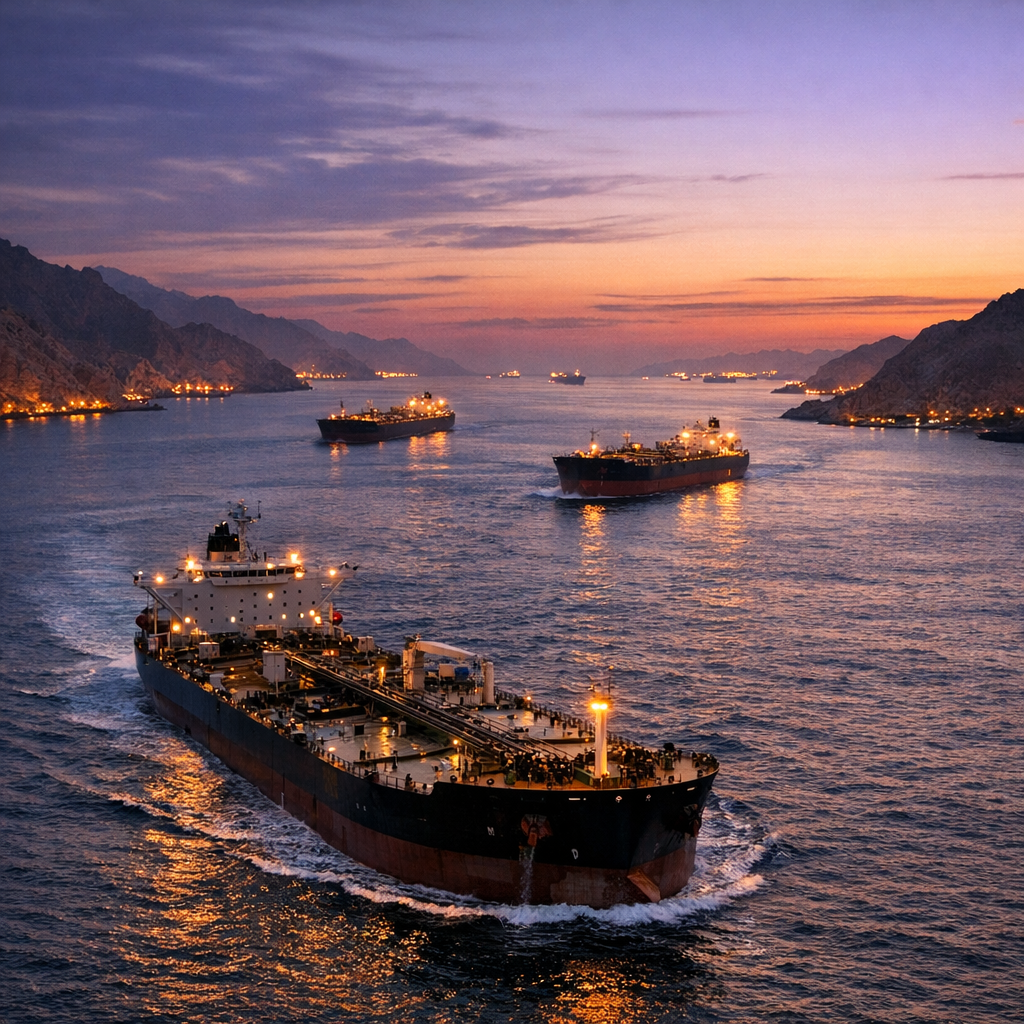
Every journey through the Strait of Hormuz now carries more than cargo — it carries geopolitical stakes. Recent months have seen a sharp rise in maritime incidents as the waterway becomes a key arena in the broader Middle Eastern crisis involving Iran, Saudi Arabia, the US, and various local actors. The spill-over effects are affecting global trade, energy supplies, and the security calculus of many nations.
What the latest incidents say
Iran has reported that seven oil tankers were damaged or caught fire overnight—some struck by mines or indirect Iranian action—in the narrow channel of the Strait. This comes amid escalating rivalry and threats between Iran and the US and its regional partners. These attacks have amplified fears of a broader escalation. Meanwhile, a memorandum of understanding between the US and Iran remains sealed off from concrete implementation, leaving many questions about its durability.
Impacts on energy and economies
The Strait remains vital: a significant share of the world’s seaborne oil and liquefied natural gas passes through it. Disruptions—from damage, insurance rises, or rerouting—directly raise global fuel prices and risk energy security for countries dependent on stable supplies. Such instability carries ripple effects across manufacturing, shipping and consumer markets worldwide.
Regional security and diplomatic tension
Besides economic fallout, the situation in the Strait touches core security concerns for Gulf states, Iran, and global powers with vested interests in the region. The UAE, Saudi Arabia, and others have felt pressure both from the risk posed by maritime attacks and by being drawn into wider confrontations. At the same time, the US has responded with naval deployments to safeguard shipping routes and deter further escalation. Diplomatic efforts are ongoing, but mistrust remains high.
What to watch next
- Whether agreements like the US-Iran memorandum move from paper to action, influencing whether ships can safely transit key waterways.
- Any shifts in tactics such as intensified attacks on vessels, or changes in the targets of military action that might expand conflict zones.
- How oil and gas importers—and exporters—adjust to changing risk: through insurance premiums, alternate shipping routes, or via contingency diplomatic alignments.
- Multilateral responses from regional powers, the UN, and allied countries that could de-escalate or, conversely, sharpen tensions depending on perceived legitimacy and action taken.
For residents in Dubai and the broader UAE, the Strait is not just a distant concern. Disruption to supply chains, rising costs for energy and goods, and the broader stability of the Gulf affect everyday life. While local eyes often look toward global summitry, wars, and big diplomatic moves, the tides in the Strait of Hormuz are equally decisive.