

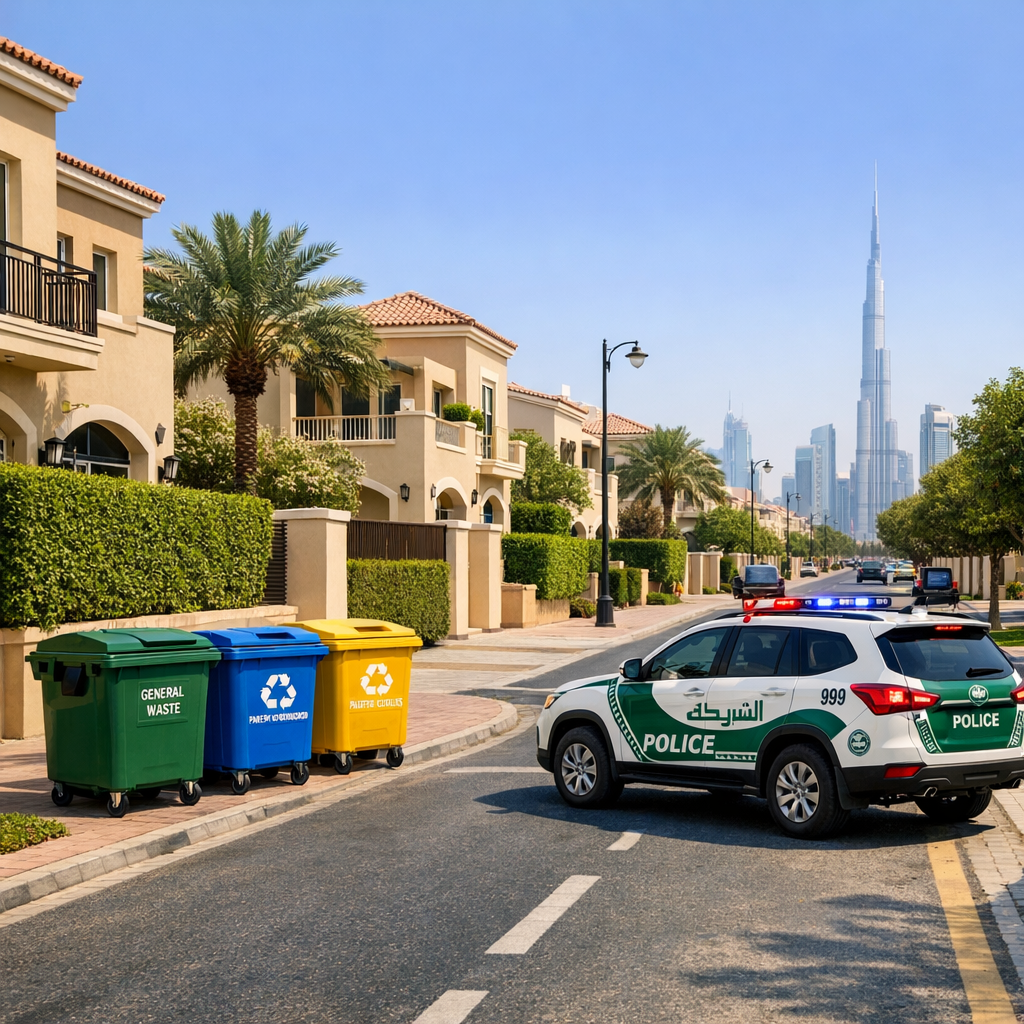
As Dubai grows, it’s not just the skyline that’s evolving. Local life—cleanliness on our streets, how we dispose of waste, and how we move around—is under sharper focus. These city-level efforts affect every resident, and the latest developments show both progress and challenges ahead.
Law No. 18: Raising the Bar for Waste Management
In mid-2024, Dubai Municipality enacted Law No. 18, a comprehensive regulation aimed at transforming waste management across the emirate. It covers everything from how waste must be segregated, to the licensing and operation of treatment plants, to penalising improper disposal. Importantly, this law holds both individuals and establishments accountable. It also pushes for investment and innovation in recycling and reuse, helping shift Dubai toward a more circular economy. This change has meant adjustments for households, businesses, and developers alike.
Smart Cameras: Cleaner Streets, Stronger Oversight
To keep Dubai’s reputation as one of the world’s cleanest cities, authorities are piloting an AI-enabled camera system under the “Smart Waste Management” framework. These cameras, mounted on waste collection and transport vehicles, identify littering, illegal dumping, and other cleanliness violations—especially near containers, sidewalks, and public spaces. The images are analysed in real time, triggering field teams to respond swiftly to maintain street hygiene and public order.
Traffic Calming in Residential Areas
Residents of neighbourhoods across Dubai are noticing something new: enforcement pushing back harder against reckless driving in places where children walk, people stroll, or where peace and quiet matter. Under the “Quiet Roads” initiative, police have seized over a thousand vehicles and issued tens of thousands of fines for noise, dangerous driving modifications, horn misuse and similarly disruptive behaviors. The goal is clear—make homes and local streets safer and more comfortable.
Community Feedback Drives Change
Dubai Municipality’s leadership has shifted toward listening more closely to residents. In Al Warqa, for example, leaders conducted field sessions addressing key local issues: stormwater drainage, sewer odours, housing design, setbacks in villa construction, and open green spaces. Such participatory planning is helping ensure that infrastructure projects and urban policies reflect what people actually need in their everyday lives.
What Residents Can Do
- Check which waste container is for recyclables—and separate at source.
- Report illegal dumping or overflowing bins via municipality apps.
- Be aware of local speed limits and noise ordinances—especially in residential zones.
- Attend community engagement sessions when invited—your input helps shape policy.
These steps show that governance in Dubai is increasingly local and responsive. The city’s future will depend in part on how well residents and authorities work together to keep neighbourhoods clean, safe, and liveable.