

By Ahmed Al-Hamed
Even from across the miles, the headlines emerging from Washington have serious implications—not only for Americans but also for observers around the world, including here in Dubai. Three interlocking stories dominate: sweeping Supreme Court decisions, a political scramble ahead of the midterm elections, and economic turbulence that could shift power in unexpected ways.
Supreme Court’s Term Redraws the Political Map
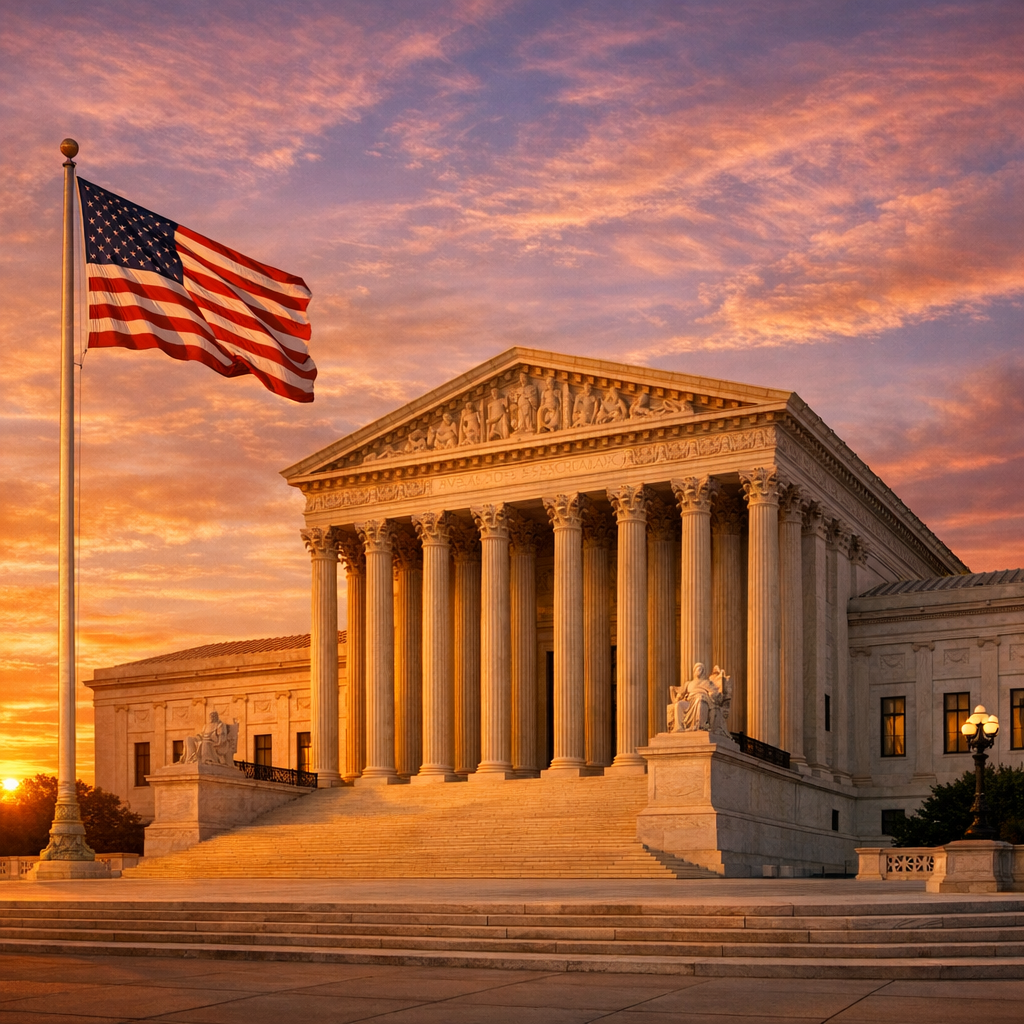
This year’s U.S. Supreme Court term has brought a wave of decisions that both strengthen and check presidential power. On one hand, the Court struck down limits on how much political parties can spend in coordination with candidates, overturning a more than 50-year-old restriction and tilting the campaign finance landscape. On the other, some of President Trump’s broader ambitions—such as restricting birthright citizenship—were blocked.
Meanwhile, the Court also expanded presidential authority over independent regulatory agencies, giving Trump greater control in certain policy areas—though not without dissent and concern over the erosion of institutional checks.
The Midterms: Control Hangs in the Balance
Republicans once seemed assured of maintaining their Senate majority, but the political terrain has shifted. Public dissatisfaction—with the economy, inflation, and global issues—has given Democrats openings in states once seen as safely red.
State-level legal fights are also heating up, particularly in Missouri where court rulings have blocked Trump-backed congressional maps. One order mandated that voters get a say over the map through a statewide referendum.
Economy: Inflation, Oil, and Public Sentiment
Despite resilient consumer spending, inflation remains a central concern. PCE inflation, the Fed’s preferred measure, has trended above the 2 percent target in recent months. Higher prices for energy and imported goods, driven in part by geopolitical tensions, have contributed heavily.
Public confidence is sagging, especially among Republicans. Surveys show consumer sentiment among GOP identifiers plunging significantly since early this year. The uptick in oil prices—partly due to renewed tensions in the Middle East—has fed into inflation worries and dampened Wall Street returns.
What to Watch
- How the Supreme Court’s recent rulings will affect voter representation and political power, especially for minority communities.
- The economic reports due in the lead-up to the midterms; weak indicators could reshape campaign messages.
- Oil market developments, especially disruptions in the Middle East, which carry the potential to ripple through global trade.
- State court rulings and redistricting battles, which may redraw who votes where—and which party benefits.
As always, these stories—judicial shifts, political contestation, and economic stress—don’t exist in isolation. They intersect, amplify, and sometimes conflict. Keeping watch now means understanding not just what is happening, but what could be coming. Stay tuned.