

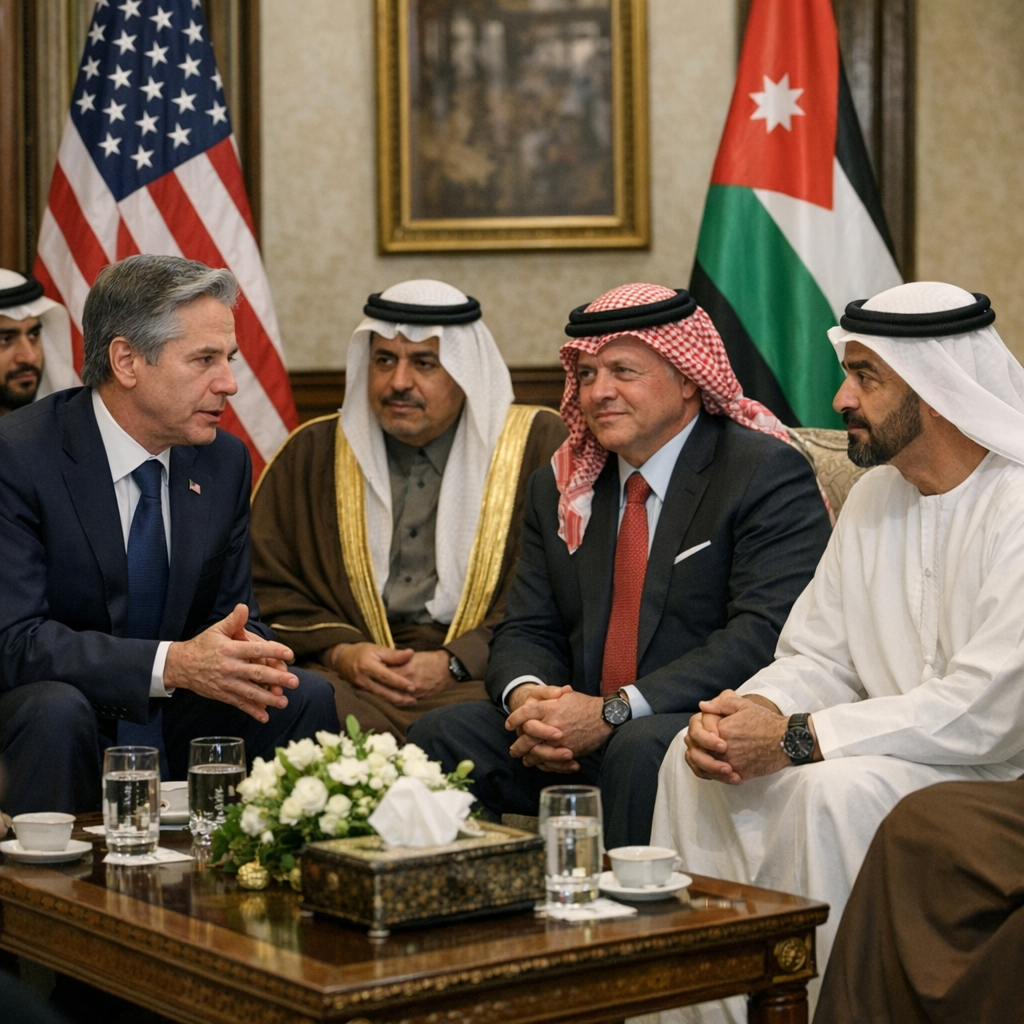
The United States has long maintained a significant presence in the Middle East, driven by strategic interests such as ensuring a stable flow of oil, supporting allies, and countering regional adversaries. Over the decades, U.S. foreign policy in the region has evolved in response to changing geopolitical landscapes and domestic priorities.
Historical Context
Historically, U.S. engagement in the Middle East intensified post-World War II, with objectives including preventing Soviet influence during the Cold War and securing energy resources. This period saw the U.S. supporting various regimes and engaging in conflicts to maintain regional stability and protect its interests.
Recent Developments
In recent years, U.S. foreign policy has experienced notable shifts. The conflict involving Iran has led to significant disruptions in global energy markets. Attacks on Gulf infrastructure and blockades of critical maritime routes have halted exports from key producers, causing energy prices to surge. For instance, gas prices in Europe increased by 50%, and oil prices rose by 12% during the early stages of the conflict. Such disruptions have global ramifications, affecting economies far beyond the immediate region.
Domestically, the U.S. economy has felt the impact of these developments. Despite being a leading oil producer, the U.S. is not immune to global price fluctuations. Higher oil prices have led to increased inflation, with projections indicating a rise to 4% or more by year’s end, up from 2.4% in February. This inflationary pressure affects consumer spending and overall economic growth.
Implications for the Middle East
For Middle Eastern nations, U.S. policy decisions have direct consequences. The United Arab Emirates (UAE), for example, has been a top export market for U.S. goods and services in the region. In 2025, total trade between the UAE and the U.S. reached a record $39 billion, with U.S. exports to the UAE totaling $31.4 billion—a 16% increase from the previous year. This underscores the deep economic ties and mutual interests between the two nations.
However, regional conflicts and policy shifts can strain these relationships. The ongoing war in Iran has weakened industries such as luxury goods, with Dubai experiencing a 50% drop in visitors to major malls and significant declines in sales for luxury brands. Such economic downturns highlight the interconnectedness of regional stability and economic prosperity.
Looking Ahead
As the U.S. continues to navigate its role in the Middle East, balancing strategic interests with regional stability remains paramount. The evolving dynamics necessitate a nuanced approach, considering both the immediate impacts of policy decisions and their long-term implications for regional partners and global markets.