

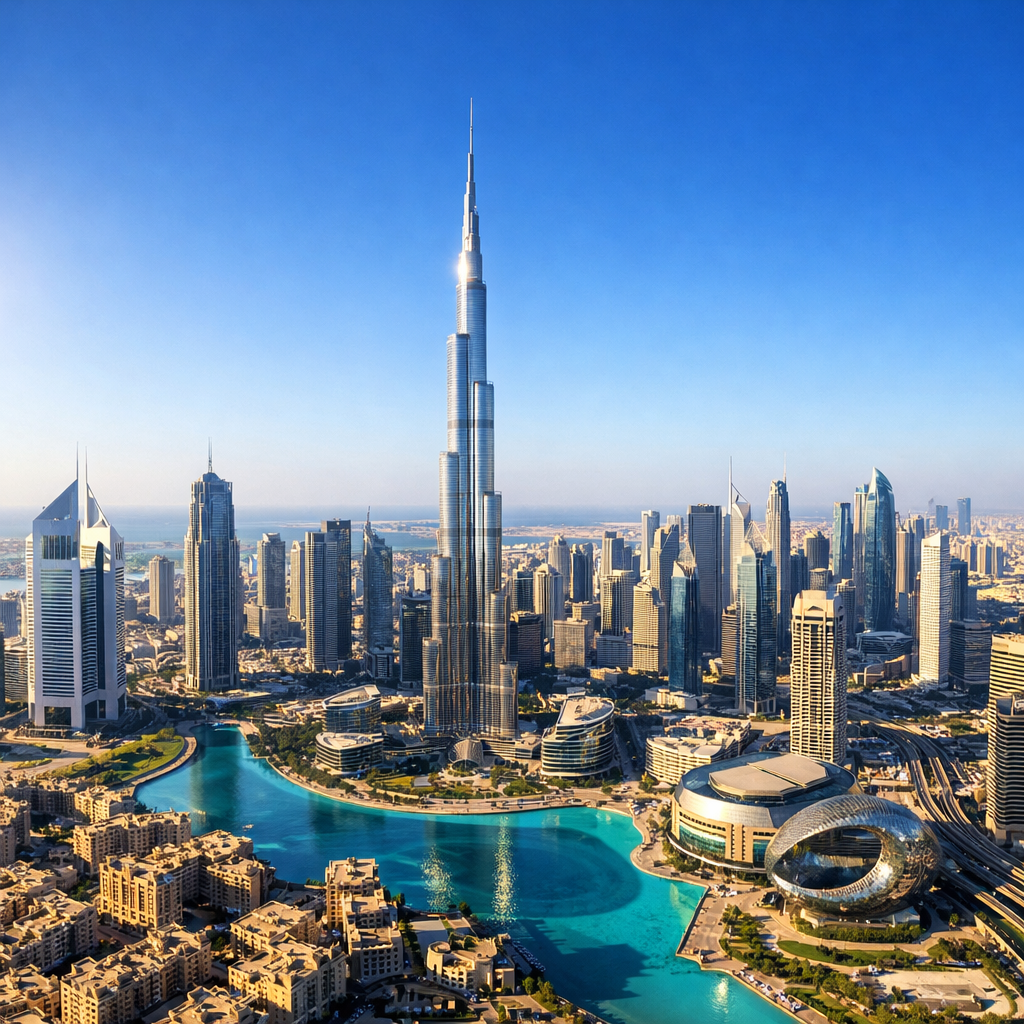
Dubai’s climate is characterized by its hot desert environment, leading to distinct seasonal variations and environmental challenges. Understanding these patterns is essential for residents and visitors alike.
Seasonal Overview
Summer (May to September)
During the summer months, Dubai experiences intense heat, with daytime temperatures often exceeding 40°C (104°F). Coastal areas face high humidity levels, sometimes reaching 80-90%, making outdoor activities challenging. The combination of heat and humidity can result in heat indices that feel even hotter, emphasizing the importance of staying hydrated and limiting sun exposure during peak hours.
Winter (December to February)
In contrast, winter offers a respite with milder temperatures ranging from 14°C to 26°C (57°F to 79°F). This period is marked by pleasant weather, making it ideal for outdoor activities. Rainfall is minimal but more frequent during these months, contributing to the annual average of approximately 100 mm.
Environmental Challenges
Water Scarcity
Dubai’s arid climate results in limited natural freshwater sources. The city relies heavily on desalination processes to meet its water needs, which are energy-intensive and contribute to environmental concerns.
Air Quality
Rapid urbanization and industrial activities have led to challenges in maintaining air quality. Factors such as vehicle emissions, construction dust, and industrial pollutants contribute to elevated levels of particulate matter, especially during the summer months.
Sandstorms
Seasonal sandstorms, known locally as ‘Shamal,’ are common during the summer. These storms can reduce visibility and air quality, posing health risks and disrupting daily activities.
Adaptation and Sustainability Efforts
Recognizing these challenges, Dubai has initiated various sustainability projects aimed at mitigating environmental impacts. Efforts include promoting renewable energy sources, implementing green building standards, and enhancing public transportation to reduce carbon emissions.
Understanding Dubai’s climate and its associated environmental challenges is crucial for developing effective adaptation strategies and promoting sustainable living in the region.