

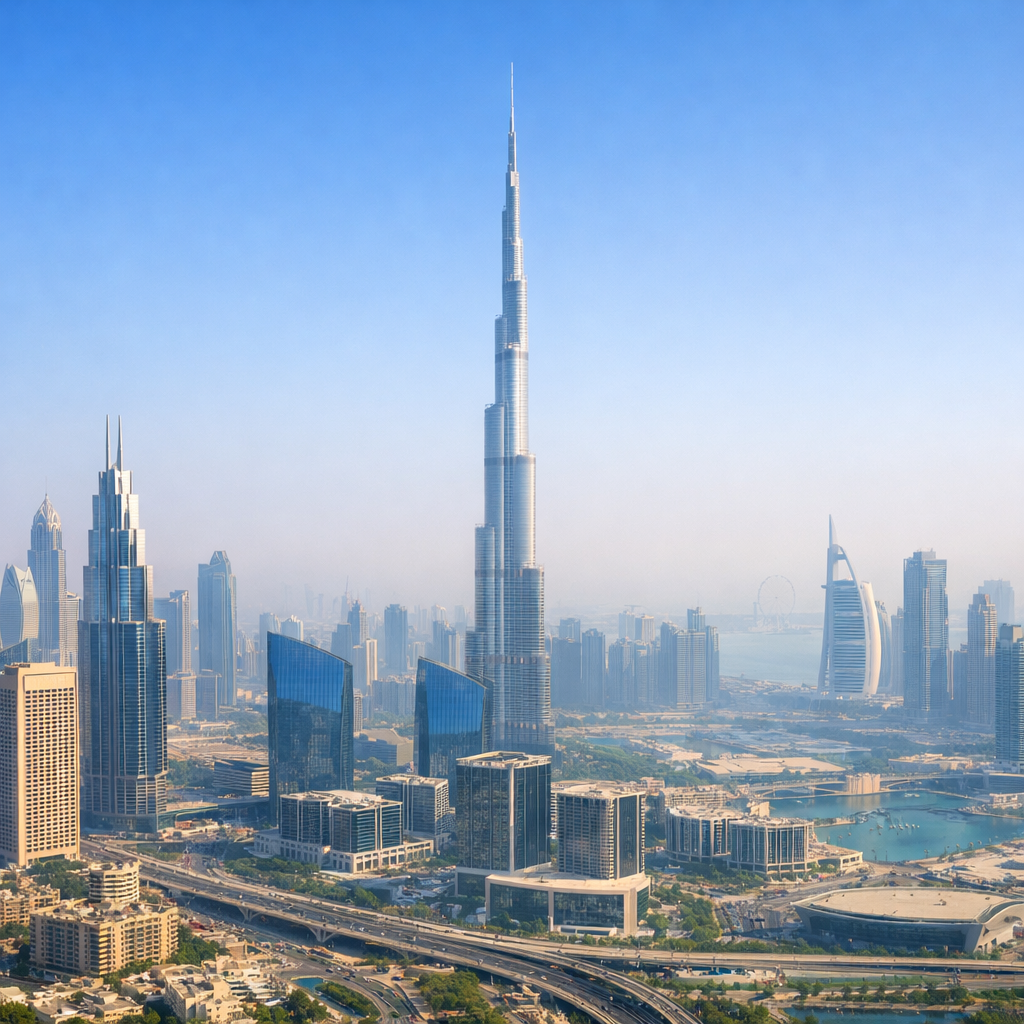
Dubai’s climate is characterized by its hot desert environment, with distinct seasonal variations that influence daily life and environmental conditions. Understanding these patterns is essential for both residents and visitors to navigate the city’s unique weather dynamics.
Seasonal Overview
Summer (June to September)
During the summer months, Dubai experiences intense heat, with daytime temperatures often exceeding 40°C (104°F). Coastal areas face high humidity levels, sometimes reaching 80-90%, making outdoor activities challenging. The combination of heat and humidity can result in wet-bulb temperatures approaching human survivability limits, necessitating caution during outdoor exposure.
Winter (December to February)
In contrast, winter offers milder conditions, with daytime temperatures ranging between 20°C (68°F) and 26°C (79°F). This period is marked by occasional rainfall, contributing to the annual average of approximately 100 mm. The cooler temperatures and increased precipitation provide a respite from the harsh summer climate.
Environmental Challenges
Air Quality
Dubai’s rapid urbanization and industrial activities have led to concerns regarding air quality. Major pollutants include particulate matter (PM2.5 and PM10) from construction dust and vehicle emissions, nitrogen dioxide from traffic, and ozone formed through chemical reactions in the atmosphere. These pollutants can adversely affect respiratory health, emphasizing the need for monitoring and mitigation efforts.
Sandstorms
Sandstorms, locally known as ‘Shamal,’ are common during the summer, driven by strong north-westerly winds from Saudi Arabia. These storms can reduce visibility and deposit fine desert dust across the city, impacting daily activities and health. Residents are advised to stay indoors during severe sandstorms and take precautions to protect respiratory health.
Adaptation and Mitigation
To address these environmental challenges, Dubai has implemented various measures, including promoting sustainable urban development, enhancing green spaces, and investing in renewable energy sources. Public awareness campaigns also play a crucial role in encouraging environmentally friendly practices among residents and businesses.
By understanding Dubai’s climate and associated environmental challenges, individuals can make informed decisions to ensure their well-being and contribute to the city’s sustainability efforts.