

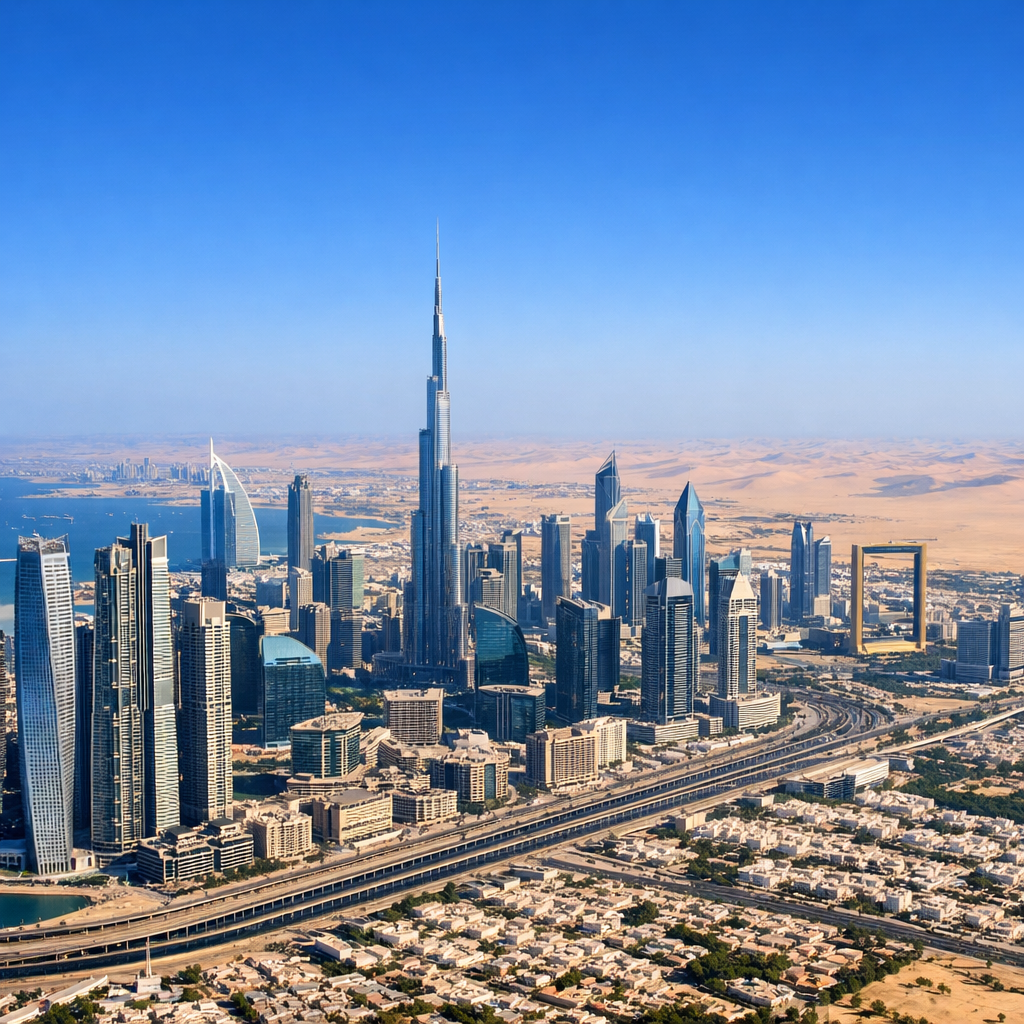
Dubai’s climate is characterized by its hot desert environment, with distinct seasonal variations that influence daily life and environmental conditions. Understanding these patterns is essential for residents and visitors alike.
Seasonal Overview
Summer (May to October)
During the summer months, Dubai experiences intense heat, with daytime temperatures often exceeding 40°C (104°F). Humidity levels can be particularly high along the coast, making outdoor activities challenging. The combination of heat and humidity can result in heat indices that feel even hotter, emphasizing the importance of staying hydrated and limiting sun exposure during peak hours.
Winter (November to April)
In contrast, the winter season offers milder temperatures, ranging from 20°C to 26°C (68°F to 79°F). This period is marked by pleasant weather, making it ideal for outdoor activities and tourism. Rainfall is minimal but more likely during these months, providing brief respite from the arid conditions.
Environmental Challenges
Air Quality
Dubai faces challenges related to air quality, influenced by factors such as vehicle emissions, industrial activities, and natural phenomena like sandstorms. Particulate matter from construction and desert dust can elevate pollution levels, affecting respiratory health. Monitoring air quality indices and taking precautions during high pollution days is advisable.
Water Scarcity
As a city situated in a desert region, Dubai contends with water scarcity. The reliance on desalination plants to meet water demands underscores the importance of water conservation efforts. Residents are encouraged to adopt water-saving practices to support sustainability initiatives.
Climate Change Impacts
Global climate change poses additional challenges, including rising temperatures and potential sea-level rise. These factors could exacerbate existing environmental issues, making it crucial for the city to implement adaptive strategies to mitigate future impacts.
Adapting to the Climate
To navigate Dubai’s climate effectively, consider the following tips:
- Stay Hydrated: Always carry water, especially during the hotter months, to prevent dehydration.
- Plan Outdoor Activities Wisely: Schedule outdoor events during cooler parts of the day, such as early morning or late afternoon.
- Monitor Weather Reports: Stay informed about weather forecasts and air quality indices to make informed decisions about outdoor activities.
- Support Sustainability Efforts: Engage in practices that promote environmental sustainability, such as reducing water and energy consumption.
By understanding and adapting to Dubai’s unique climate and environmental challenges, residents and visitors can enhance their experience and contribute to the city’s sustainability goals.