

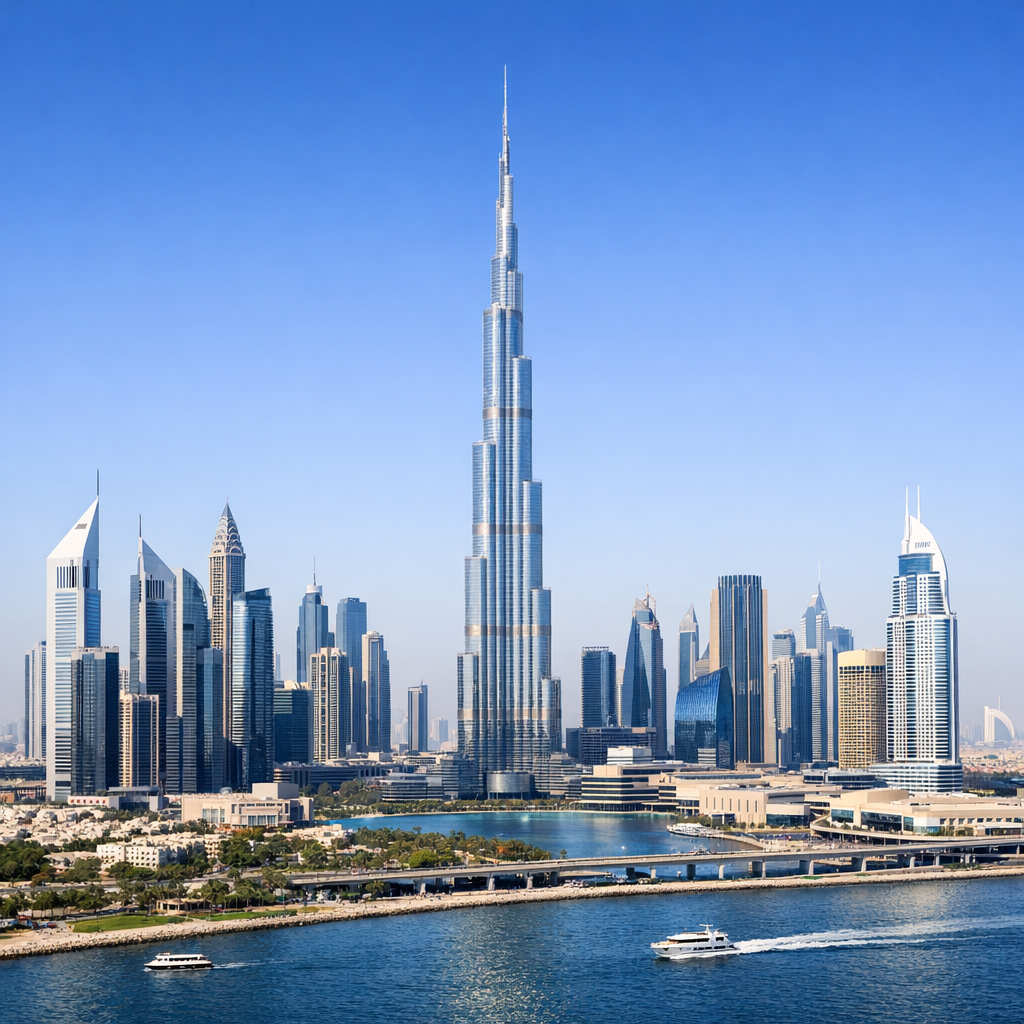
Dubai’s climate is characterized by two primary seasons: a long, hot summer and a mild, pleasant winter. Understanding these patterns is essential for residents and visitors alike.
Seasonal Overview
Summer (May to September)
During the summer months, Dubai experiences intense heat with daytime temperatures often ranging between 38°C and 48°C (100°F to 118°F). Humidity levels are high, making outdoor activities challenging. It’s advisable to stay hydrated and limit sun exposure during peak hours.
Winter (November to March)
Winter brings more comfortable conditions, with temperatures typically ranging from 20°C to 32°C (68°F to 90°F). This season is ideal for outdoor activities, as the weather is mild and pleasant.
Rainfall and Humidity
Rainfall in Dubai is minimal, averaging around 95mm annually, with the majority occurring between December and March. These brief, intense showers can lead to temporary disruptions but are generally short-lived. Humidity is notably higher during the summer months, contributing to the perceived heat.
Environmental Considerations
Dubai faces several environmental challenges, including water scarcity due to its arid climate and limited freshwater resources. The city relies heavily on desalination processes to meet its water needs, which can have environmental implications. Additionally, rapid urbanization has led to increased energy consumption and carbon emissions, impacting air quality and contributing to the urban heat island effect.
Understanding Dubai’s climate and environmental context is crucial for making informed decisions about daily activities and long-term planning in the region.