

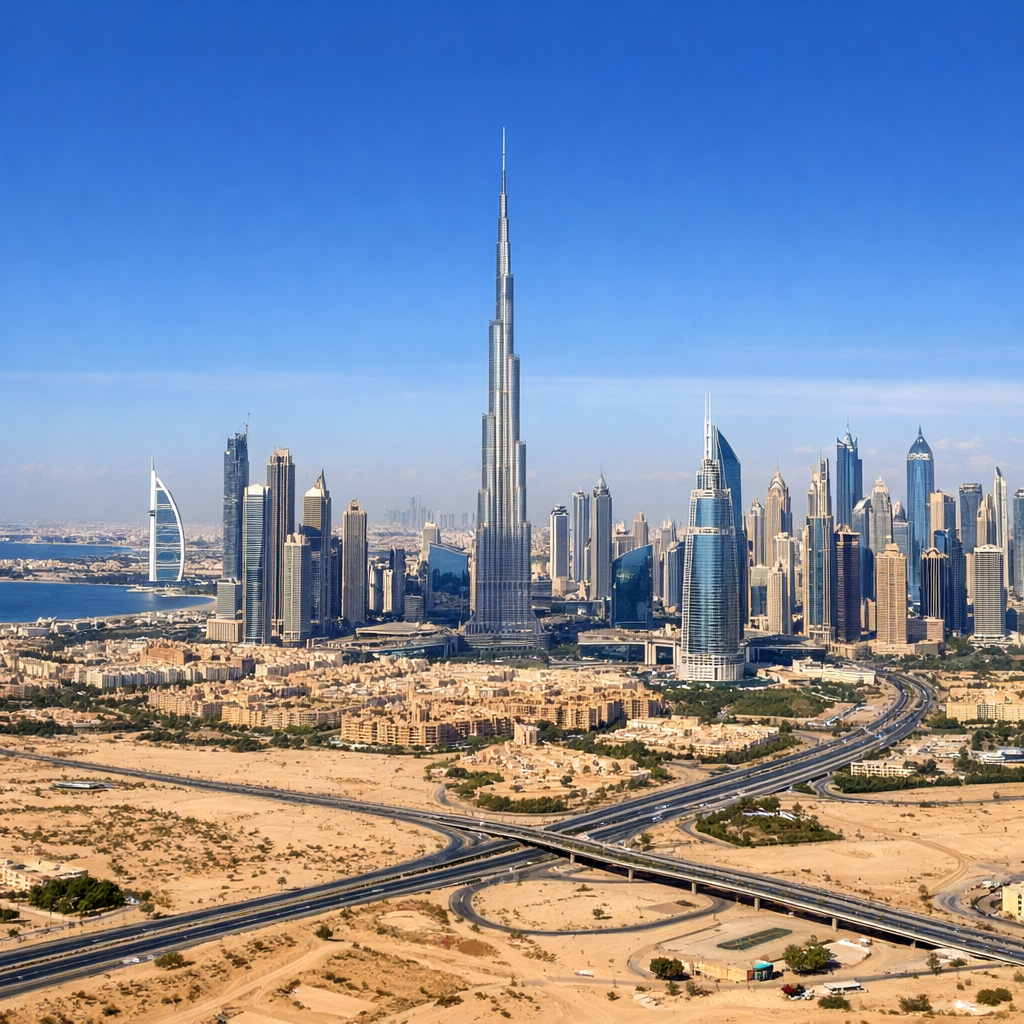
Dubai’s climate is characterized by two primary seasons: a mild winter and a hot summer. Understanding these patterns is essential for residents and visitors alike.
Winter Season (December to February)
During winter, Dubai experiences pleasant temperatures ranging from 20°C to 26°C (68°F to 79°F). This period is ideal for outdoor activities, with cooler evenings and occasional rainfall. It’s also the peak tourist season due to the comfortable weather.
Summer Season (May to September)
Summer brings intense heat, with temperatures soaring between 35°C and 48°C (95°F to 118°F). High humidity levels can make it feel even hotter. Outdoor activities are limited during this time, and it’s common for residents to seek indoor venues or travel abroad.
Transitional Periods (March to April and October to November)
These months serve as transitions between the main seasons. Early spring (March to April) sees rising temperatures, while autumn (October to November) offers a gradual cooling. These periods can be unpredictable, with occasional dust storms and varying humidity levels.
Environmental Considerations
Dubai’s climate poses challenges for sustainability. The city has implemented initiatives like the Circle Dubai project, aiming for 100% waste diversion from landfills by 2041. Additionally, the Dubai Electricity and Water Authority (DEWA) has undertaken mangrove planting and beach clean-up campaigns to protect marine biodiversity.
Understanding Dubai’s climate is crucial for planning daily activities and supporting environmental efforts. By adapting to seasonal changes and participating in sustainability initiatives, residents and visitors can contribute to a greener future for the city.