

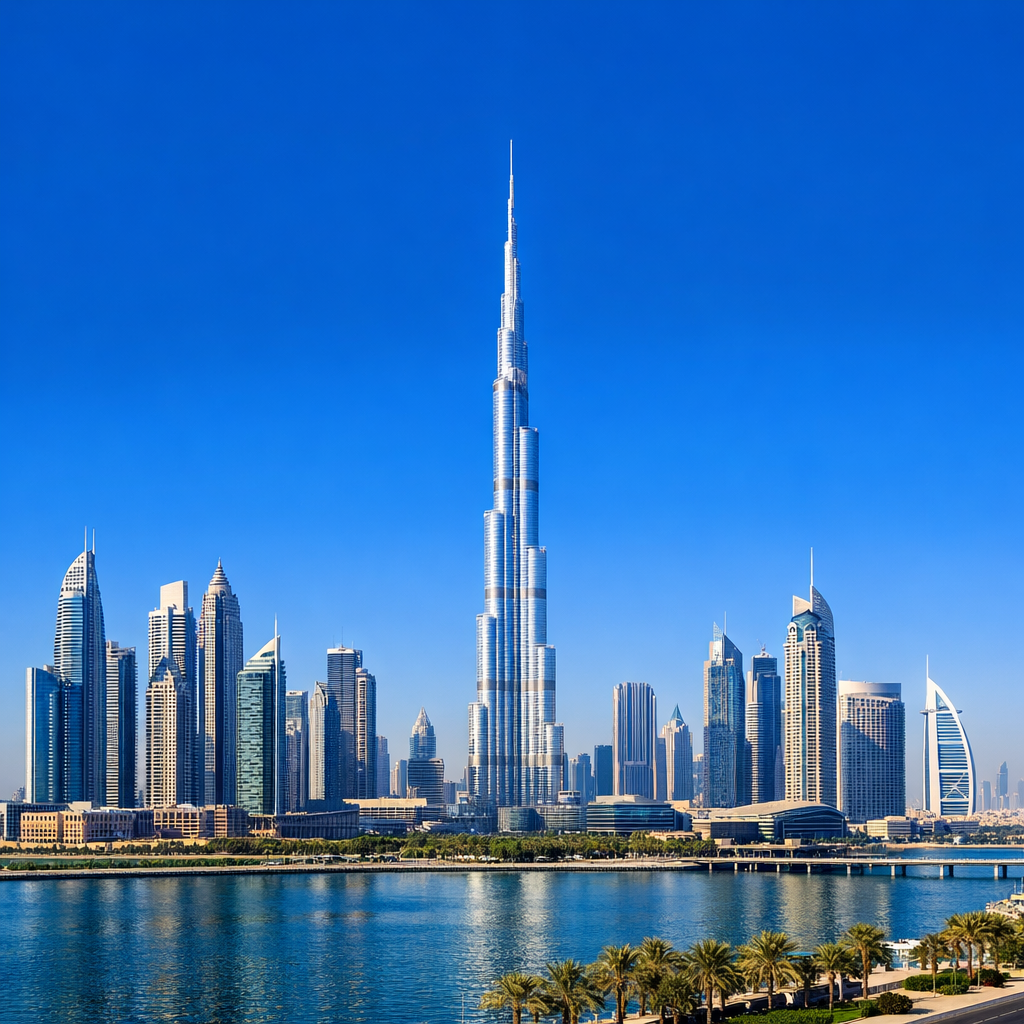
Dubai’s climate is characterized by its hot desert environment, with distinct seasonal variations and environmental challenges that residents and visitors should be aware of.
Seasonal Overview
Summer (May to September)
During the summer months, Dubai experiences intense heat, with daytime temperatures often exceeding 40°C (104°F). Humidity levels are high, especially along the coast, making outdoor activities challenging. The combination of heat and humidity can lead to heat-related illnesses if proper precautions are not taken.
Winter (November to March)
Winter offers a respite from the extreme heat, with daytime temperatures ranging between 20°C (68°F) and 26°C (79°F). This period is ideal for outdoor activities, as the weather is mild and pleasant. Rainfall is rare but more likely during these months, typically occurring as short, heavy bursts.
Environmental Challenges
Sandstorms
Dubai is susceptible to sandstorms, particularly during the summer months. These storms, driven by strong north-westerly winds known as ‘shamal,’ can reduce visibility and affect air quality. It’s advisable to stay indoors during severe sandstorms and ensure that windows and doors are securely closed.
Water Scarcity
As a desert city, Dubai faces challenges related to water scarcity. The region receives minimal rainfall, averaging around 100 mm annually. To address this, the city relies heavily on desalination plants to meet its water needs. Residents are encouraged to practice water conservation to support sustainability efforts.
Staying Informed
Staying updated on weather forecasts and environmental advisories is crucial for planning daily activities and ensuring safety. Local authorities provide regular updates, and various apps and websites offer real-time weather information tailored to Dubai’s unique climate.
Understanding Dubai’s climate and environmental challenges enables residents and visitors to make informed decisions and take appropriate precautions, ensuring a safe and enjoyable experience in the city.