

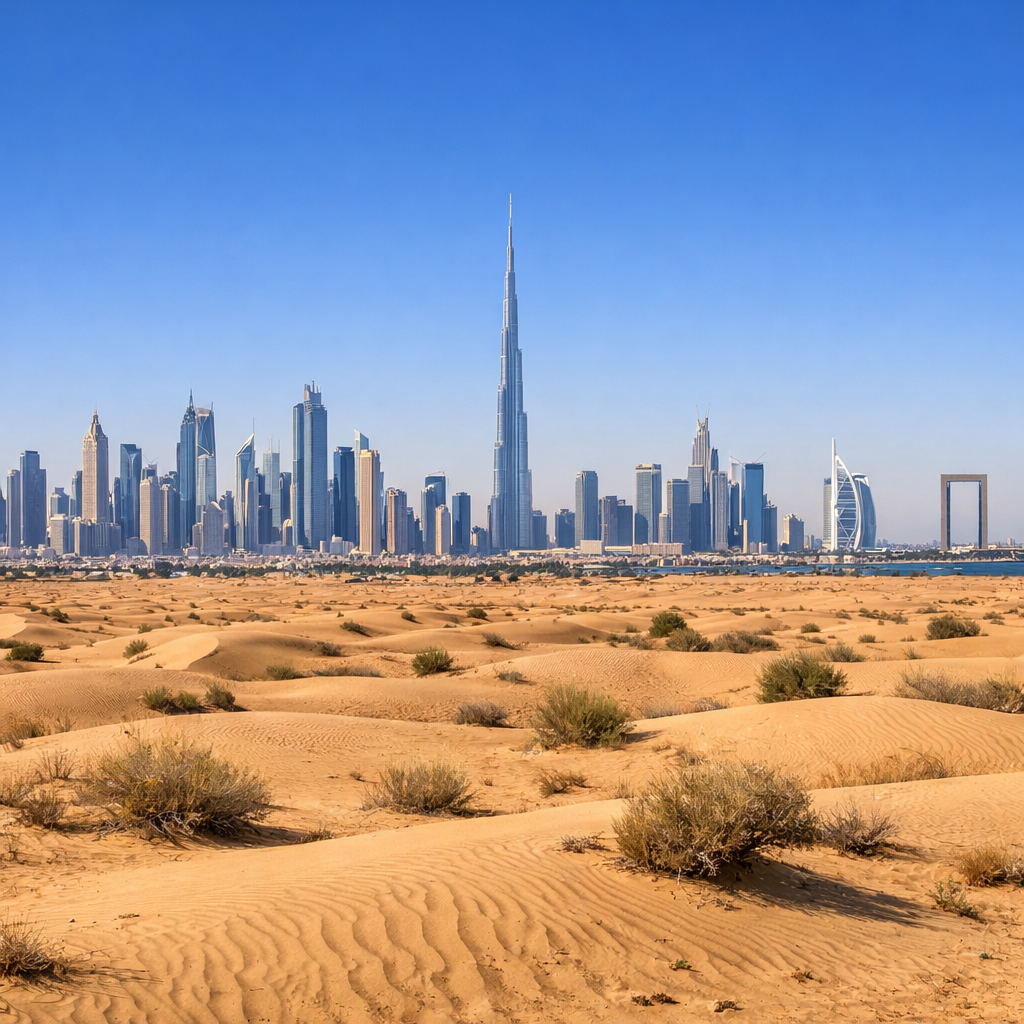
Dubai’s climate is characterized by its hot desert conditions, with distinct seasonal variations that influence daily life and the environment. Understanding these patterns is essential for residents and visitors alike.
Seasonal Weather Patterns
Summer (May to September)
During the summer months, Dubai experiences intense heat, with daytime temperatures often exceeding 40°C (104°F). Humidity levels can be high, especially near the coast, making the heat feel even more oppressive. These conditions are a result of the city’s geographical location in the subtropical desert belt and the influence of the Arabian Gulf’s warm waters.
Winter (November to March)
In contrast, the winter season offers milder temperatures ranging from 20°C to 26°C (68°F to 79°F). This period is marked by cooler evenings and occasional rainfall, providing a pleasant respite from the summer heat. Rainfall during this time is sparse and inconsistent, averaging around 140–200 mm per year.
Environmental Challenges
Sandstorms
Dubai is susceptible to sandstorms, particularly during the summer months. These storms, driven by strong northwesterly winds known as ‘Shamal,’ can reduce visibility and impact air quality. The fine dust particles carried by these storms can irritate the eyes, throat, and skin, and exacerbate respiratory conditions.
Air Quality
Air quality in Dubai is influenced by both natural factors, such as dust storms, and human activities, including traffic emissions and industrial operations. The best air quality is typically recorded in December and January, following periods of rain or cooler weather.
Adaptation and Preparedness
Given these climatic conditions, it’s crucial for residents and visitors to take appropriate precautions. During the summer, staying hydrated, wearing light clothing, and limiting outdoor activities during peak heat hours can help mitigate heat-related health risks. In the event of a sandstorm, staying indoors and keeping windows closed can reduce exposure to dust and allergens.
Understanding Dubai’s climate and environmental challenges enables individuals to make informed decisions and adapt to the unique conditions of the region.