

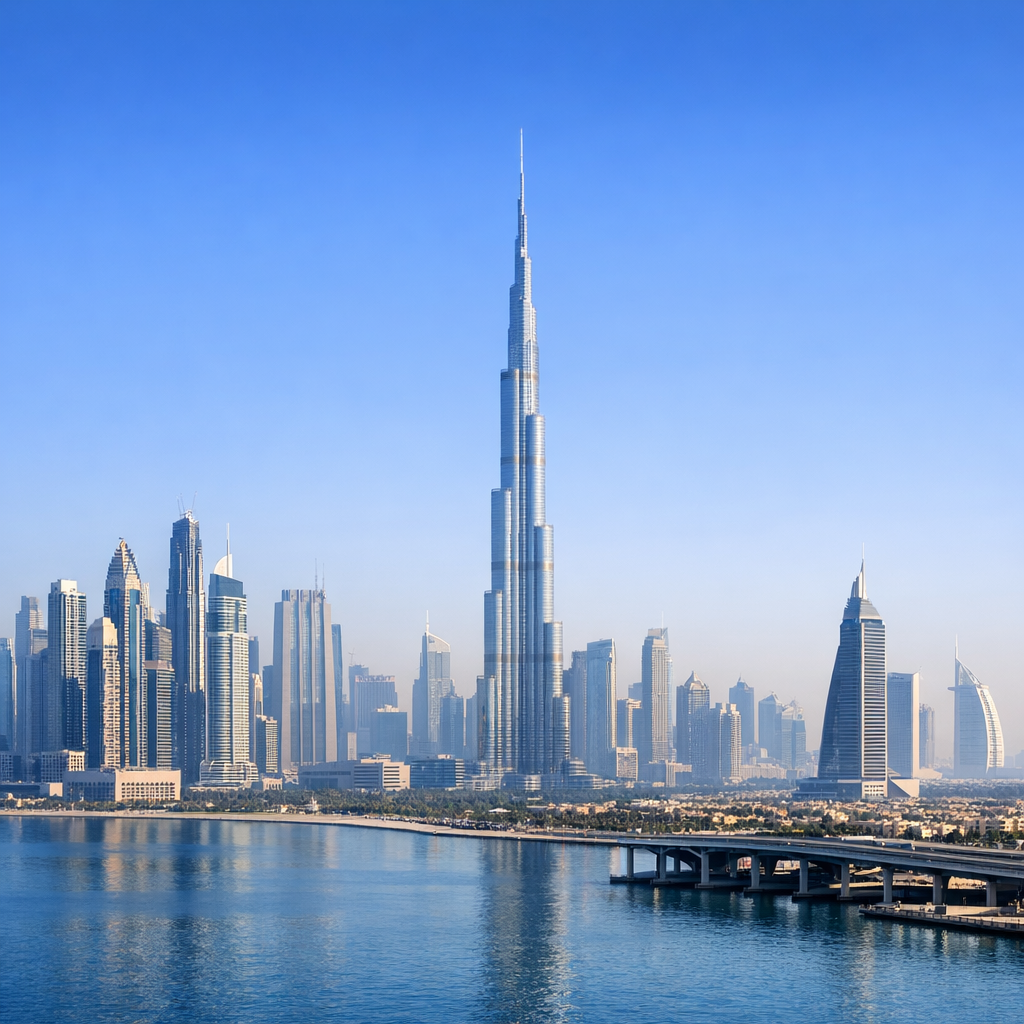
Dubai’s climate is characterized by its hot desert environment, with distinct seasonal variations and environmental challenges that residents and visitors should be aware of.
Seasonal Weather Patterns
Summer (June to September)
During the summer months, Dubai experiences intense heat, with daytime temperatures often exceeding 40°C (104°F). Humidity levels are high, especially near the coast, creating a challenging environment for outdoor activities. Rainfall is virtually nonexistent during this period.
Winter (December to February)
Winter offers a respite from the heat, with daytime temperatures averaging around 23°C (73°F) and cooler nights. This season is considered the most comfortable time of the year, with occasional rainfall and increased cloud cover.
Environmental Challenges
Extreme Heat and Humidity
Dubai’s geographical location contributes to its extreme summer heat and high humidity levels. The combination of these factors can make outdoor activities hazardous during peak summer months.
Sandstorms
Sandstorms, known locally as ‘shamal’ winds, are common during the summer. These storms can reduce visibility and affect air quality, posing health risks and disrupting daily life.
Climate Trends
Over the past decades, Dubai has experienced a warming trend, with average temperatures increasing by approximately 2.5°C between 1940 and 2025. This trend underscores the importance of understanding and adapting to the city’s evolving climate.
Staying Informed
Staying informed about Dubai’s weather patterns and environmental challenges is crucial for planning activities and ensuring safety. Regularly checking weather forecasts and being aware of seasonal variations can help residents and visitors make informed decisions.