

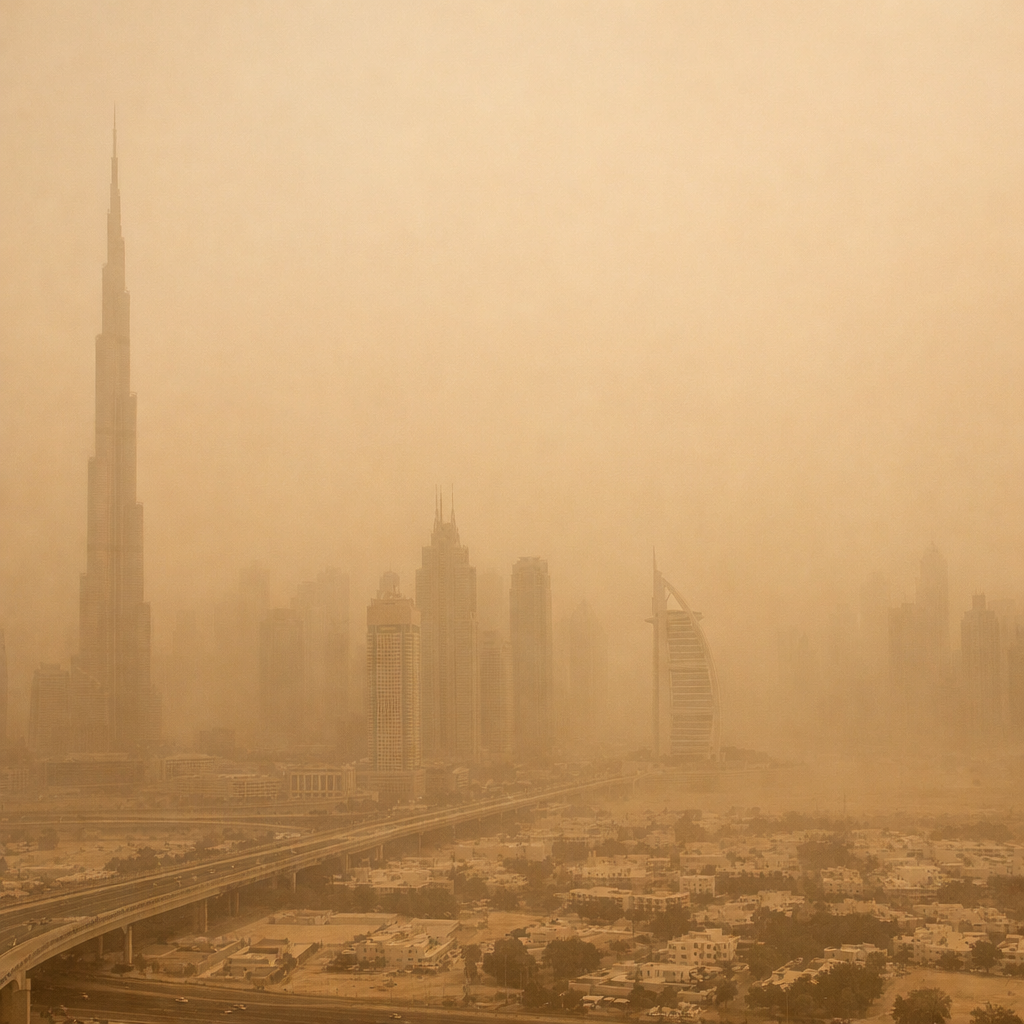
Dubai’s climate is characterized by its hot desert conditions, with distinct seasonal variations that influence daily life and the environment. Understanding these patterns is essential for residents and visitors alike.
Seasonal Overview
Summer (May to September)
During the summer months, Dubai experiences intense heat, with daytime temperatures often exceeding 45°C (113°F). Humidity levels can reach up to 90%, especially near the coast, creating challenging conditions for outdoor activities. The combination of high temperatures and humidity can make the heat feel even more oppressive.
Winter (November to March)
In contrast, the winter season offers milder temperatures ranging from 20°C to 26°C (68°F to 79°F), making it the most comfortable time of year. Rainfall is minimal, averaging around 100 mm annually, with the majority occurring between December and March.
Environmental Challenges
Sandstorms
Dubai is susceptible to sandstorms, particularly during the summer months. These storms, driven by strong northwesterly winds known as ‘Shamal,’ can reduce visibility and impact air quality. The fine dust particles carried by these storms can pose health risks, especially for individuals with respiratory conditions.
Air Quality
Air quality in Dubai is influenced by various factors, including vehicle emissions, industrial activities, and construction dust. The city’s rapid urbanization and high traffic volumes contribute to elevated levels of pollutants, which can affect respiratory health. Efforts are ongoing to monitor and improve air quality through regulatory measures and public awareness campaigns.
Climate Change Impacts
Over the past decades, Dubai has experienced a warming trend, with average temperatures increasing by approximately 2.5°C between 1940 and 2025. This trend is statistically significant and aligns with global patterns of climate change. The rising temperatures pose challenges for water resources, energy consumption, and public health.
Adaptation and Mitigation Efforts
In response to these challenges, Dubai has implemented various strategies to adapt to and mitigate the impacts of its climate. These include investing in sustainable infrastructure, promoting energy efficiency, and enhancing green spaces to improve urban resilience. Public initiatives also focus on raising awareness about environmental issues and encouraging sustainable practices among residents and businesses.
Understanding Dubai’s climate and environmental challenges is crucial for developing effective strategies to ensure the city’s sustainability and the well-being of its inhabitants.