

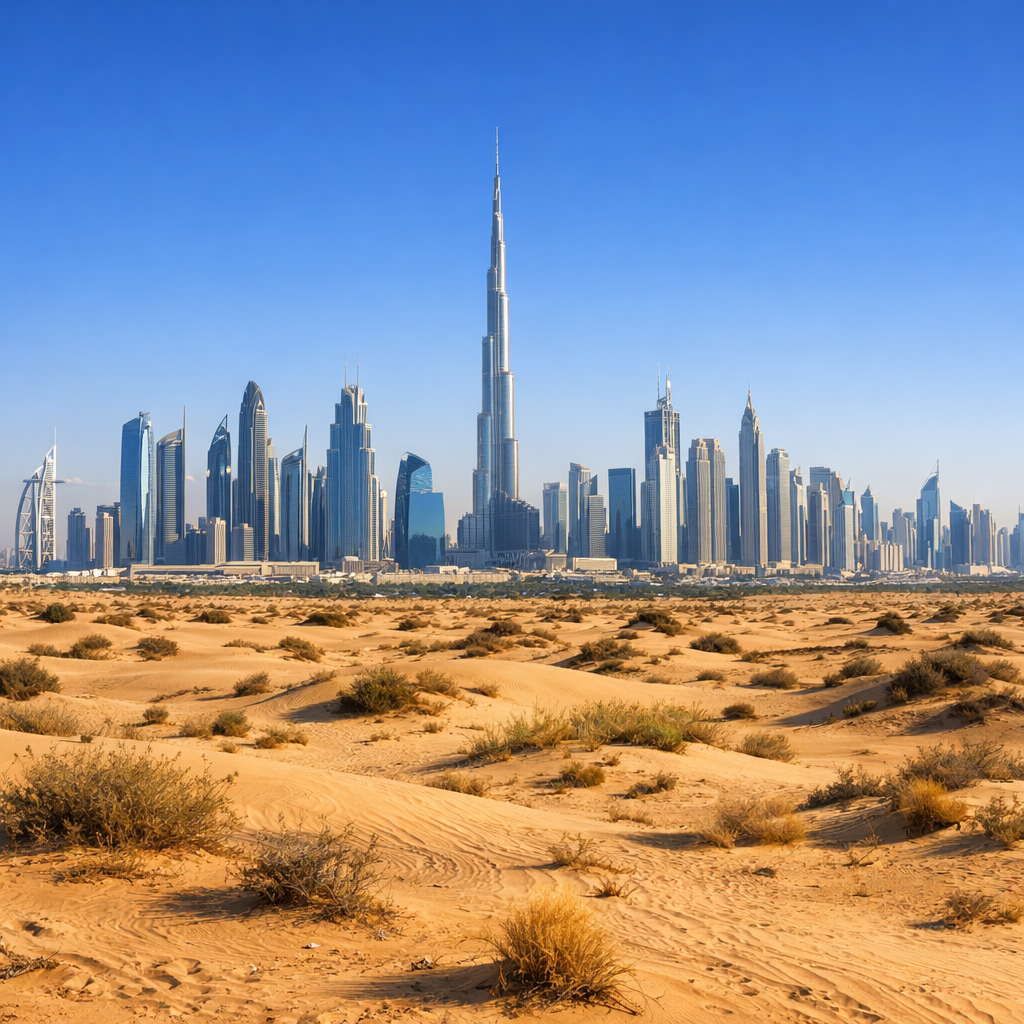
Dubai’s climate is characterized by its hot desert environment, featuring long, sweltering summers and short, mild winters. This unique climate presents both opportunities and challenges for residents and visitors alike.
Seasonal Weather Patterns
Summer (May to September)
During the summer months, Dubai experiences extreme heat, with daytime temperatures often exceeding 40°C (104°F). Coastal areas face high humidity levels, sometimes reaching 80-90%, which can make outdoor activities particularly challenging. The combination of high temperatures and humidity can result in heat indices that feel even hotter, emphasizing the importance of staying hydrated and limiting outdoor exposure during peak heat hours.
Winter (December to February)
In contrast, the winter season offers a respite from the intense heat. Daytime temperatures range between 20°C (68°F) and 26°C (79°F), with cooler evenings. This period is ideal for outdoor activities, as the weather is more comfortable and conducive to exploring the city and its surroundings.
Environmental Challenges
Sandstorms
Dubai occasionally experiences sandstorms, particularly during the summer months. These storms, driven by strong north-westerly winds known as ‘Shamal,’ can reduce visibility and air quality. Residents are advised to stay indoors during severe sandstorms and ensure that windows and doors are securely closed to prevent dust from entering homes.
Air Quality
Air quality in Dubai can be affected by various factors, including vehicle emissions, industrial activities, and construction dust. The combination of these elements can lead to elevated levels of particulate matter in the air, especially during periods of low wind movement. It’s advisable to monitor air quality indices and take necessary precautions, such as wearing masks or using air purifiers, during times of poor air quality.
Adapting to the Climate
Understanding Dubai’s climate is essential for both residents and visitors. During the hotter months, it’s crucial to stay hydrated, wear appropriate clothing, and limit outdoor activities during peak heat hours. Utilizing air-conditioned spaces and planning outdoor activities during the cooler parts of the day can help mitigate the effects of the heat.
By being aware of the seasonal weather patterns and environmental challenges, individuals can better prepare and adapt to Dubai’s unique climate, ensuring a safe and enjoyable experience in the city.