

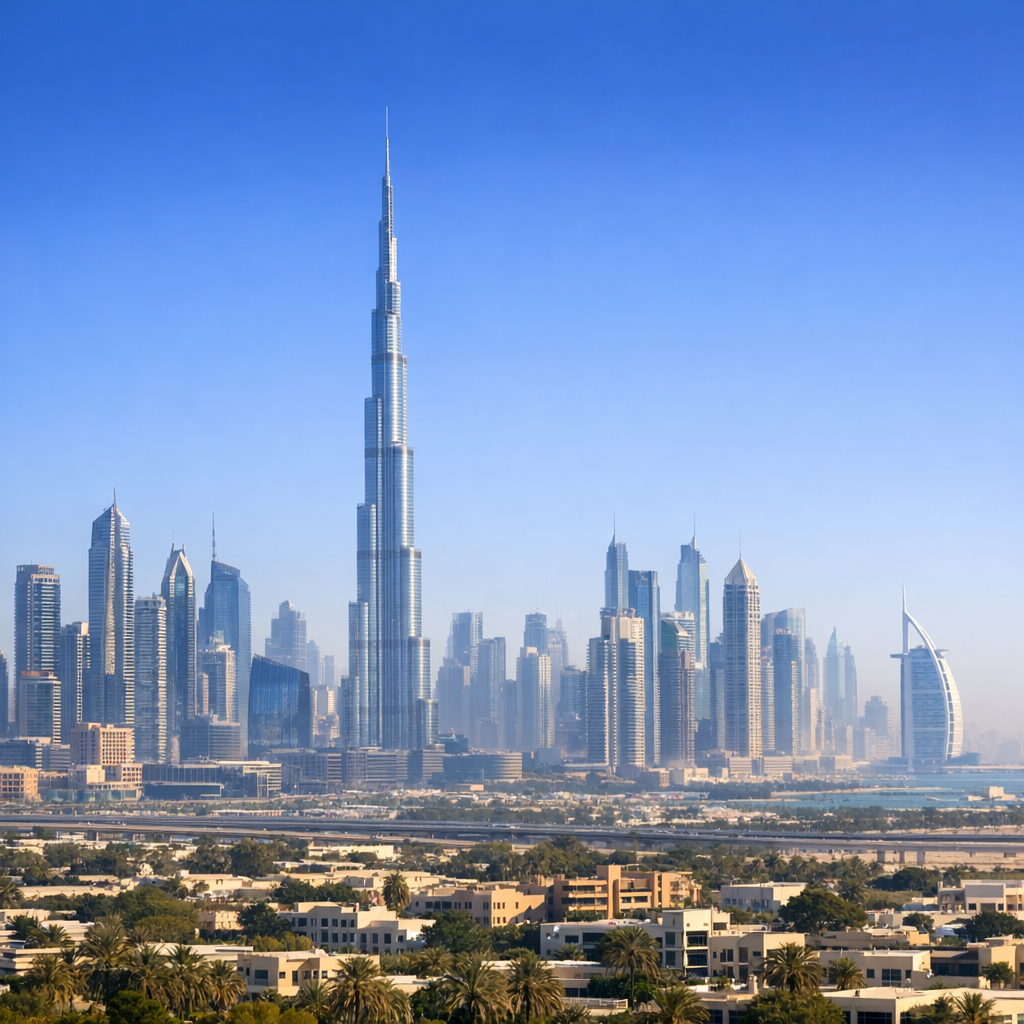
Dubai’s climate is characterized by its hot desert environment, with distinct seasonal variations that influence daily life and environmental conditions.
Seasonal Weather Patterns
Summer (May to September)
During the summer months, Dubai experiences intense heat, with daytime temperatures often exceeding 40°C (104°F). Coastal areas face high humidity levels, making the heat feel more oppressive. Inland regions, while slightly less humid, can see temperatures soaring above 45°C (113°F). These conditions necessitate precautions to avoid heat-related illnesses.
Winter (November to March)
Winter brings milder temperatures, with daytime highs ranging from 20°C to 26°C (68°F to 79°F). This season is marked by occasional rainfall, contributing to the annual average of approximately 100 mm. The cooler and more comfortable climate during these months makes it an ideal time for outdoor activities and tourism.
Environmental Factors
Air Quality
Dubai’s rapid urbanization and industrial activities have led to challenges in maintaining air quality. Key pollutants include particulate matter (PM2.5 and PM10) from construction dust and vehicle emissions, nitrogen dioxide (NO₂) from traffic, and ozone (O₃) formed through chemical reactions in the atmosphere. These pollutants can impact respiratory health, especially during periods of high concentration.
Sandstorms
Seasonal winds, particularly the northwesterly ‘Shamal,’ can stir up desert sands, leading to sandstorms that reduce visibility and air quality. These events are more common in the summer months and can last for several days, affecting daily activities and transportation.
Adaptation and Mitigation
Understanding Dubai’s climate is essential for residents and visitors to adapt effectively. During the hotter months, it’s advisable to limit outdoor activities during peak heat, stay hydrated, and wear appropriate clothing. The city continues to implement measures to improve air quality and manage environmental challenges associated with its rapid development.
By staying informed about seasonal weather patterns and environmental factors, individuals can make informed decisions to ensure their well-being and contribute to the sustainability of Dubai’s environment.