

By Khalid Al-Qasimi
Dubai’s weather and environment shape life in this city—from the blazing summer sun to sudden winter showers. Understanding recurring patterns and emerging trends helps us adapt and shape a healthier, sustainable future.
Climate & Seasonal Patterns
Dubai has a hot desert climate. The year is divided into two main seasons: summer, lasting roughly from late April through to early October, brings intense heat paired with high humidity thanks to sea breezes. Then from late October through April, winter offers milder, more tolerable weather. Overnight lows can drop to mid-teens Celsius in inland areas, while daytime highs in summer often exceed 40 °C.1
Rain is rare and highly seasonal. Most rainfall occurs between December and March, typically in short bursts and sometimes with thunderstorms. Other months remain almost entirely dry.
Emerging Environmental Concerns
Hotter Winters & Longer Summers
Scientific studies show gradual warming across years. Winters are becoming less distinct, as average lows rise and nights stay warmer. This reduces the relief many people once felt, even as daytime heat still peaks in summer.2
Dust & Air Quality
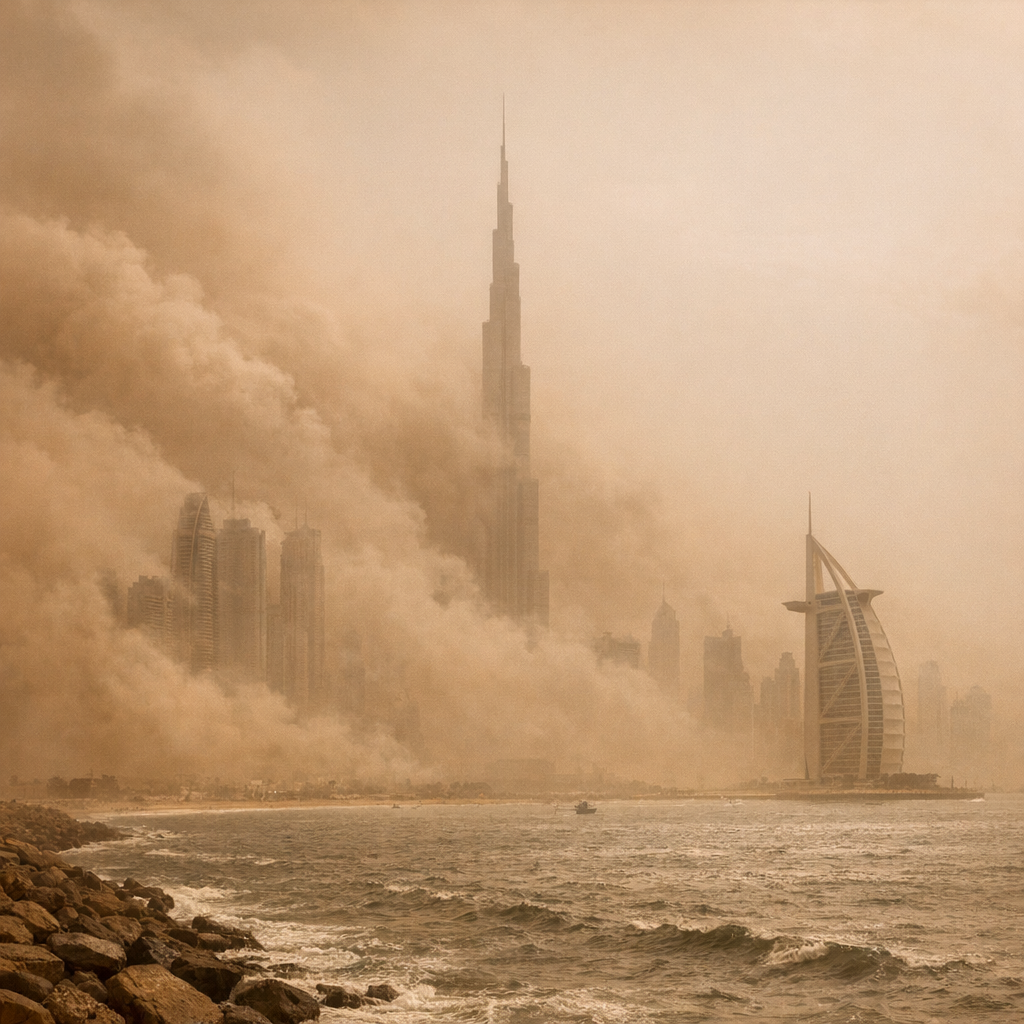
Dubai experiences regular dust storms, which can slash visibility and impact health—especially for people with respiratory conditions. Dust, combined with vehicle emissions and construction activity, contributes to particulate matter (PM2.5 and PM10) that often triggers air quality alerts.3
What Dubai Is Doing: Clean Energy & Sustainability
The emirate has major plans to reduce emissions and shift the energy mix. Under the Dubai Clean Energy Strategy, the goal is to derive 100% of energy from clean sources by 2050. By 2030, the target is for clean energy to contribute about 36% of total energy demand.4
Key projects include the Mohammed bin Rashid Al Maktoum Solar Park, which has already cut millions of tonnes of carbon emissions and aims to expand further, and efforts toward more efficient regulation, waste disposal, and biodiversity protection—such as mangrove restoration and habitat conservation.5
Tips for Residents
- During summer, avoid outdoor activities during peak afternoon heat; hydrating and protective clothing matter.
- Monitor air quality alerts—especially after dust storms—and consider masks or avoiding outdoor exertion.
- Support clean energy efforts by conserving energy at home, using public transport, and reducing single-use plastics.
Looking ahead, Dubai’s climate is changing in ways both gradual and noticeable. By staying informed, we can all play a part in preserving comfort, health, and our natural environment.