

By Khalid Al-Qasimi
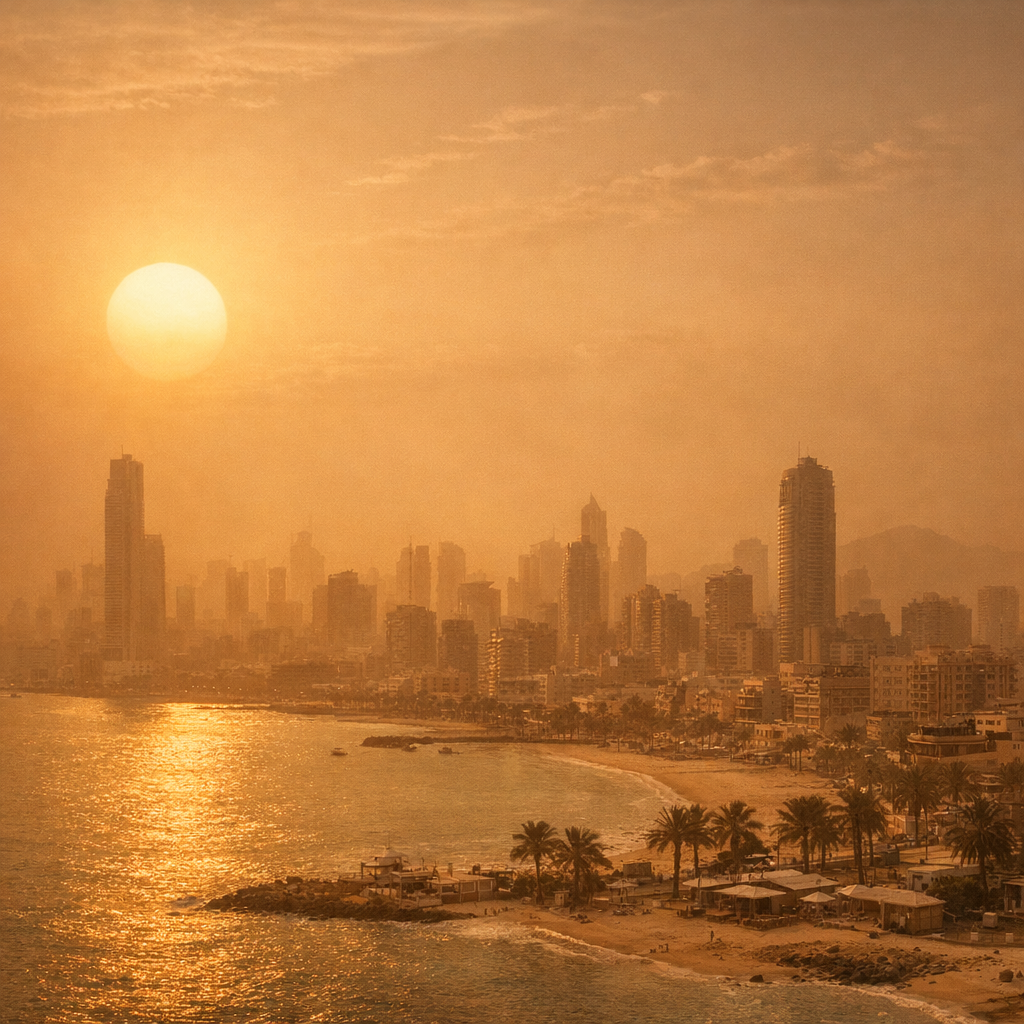
Dubai’s climate is well known for extremes: intense heat, very little rainfall, and frequent dust. Understanding seasonal shifts and environmental challenges helps residents plan their daily lives, protect their health, and engage more consciously with the city’s changing environment.
Climate Profile: What to Expect Through the Year
Dubai has a hot desert climate. Summer (June through August) sees daytime highs often above 40 °C, while winter (December through February) brings milder days in the mid-20s °C, and nighttime lows that sometimes dip near 12-15 °C in inland or desert areas. Rainfall is scarce and highly seasonal, with the most precipitation falling in winter months and almost none during summer. Annual totals are typically under 100 mm. Clouds are rare in summer; skies are often clear, with intense sun.
Key Features by Season
- Winter: Cool, dry, comfortable. Best time for outdoor activities. Some brief rainstorms, especially late in the season.
- Spring: Gradual rise in temperature, increasing dust levels, occasional gusty winds.
- Summer: Extreme heat, high humidity near the coast, virtually no rain. Dust storms can reduce visibility. Nights remain warm.
- Autumn: Temperatures begin to drop slowly, humidity remains, transition to drier nights.
Dust & Air Quality: Invisible Guests
While Dubai is dry, it isn’t free from environmental pollutants. Dust—both raised locally and carried by wind—is one of the main contributors to air particulates. During summer and spring, dust levels tend to peak. Pollutant particles less than 2.5 microns in diameter (PM₂.₅), and those less than 10 microns (PM₁₀), can irritate the respiratory system and worsen asthma or allergies.
How Air Quality Is Measured & Managed
The UAE uses a National Air Quality Platform with an Air Quality Index (AQI) that tracks five main pollutants: NO₂, SO₂, CO, O₃, and particulate matter (both PM₂.₅ & PM₁₀). Real-time readings come from monitoring stations across the country, enabling three-day forecasts and alerts for high risk levels.
Dubai has committed to increasing “clean air days”—those meeting strict air quality criteria. Under its strategy, the city aims for 90 % clean air days by 2030, and 100 % under national standards by 2040. Annual average PM₂.₅ in residential areas is targeted to stay below WHO’s interim thresholds.
Practical Advice for Residents
To stay safe and comfortable amid Dubai’s particular climate conditions:
- Stay hydrated and avoid strenuous activity outdoors during afternoon heat in summer.
- Use air conditioners with clean filters; consider indoor air purifiers if you have respiratory issues.
- Watch the AQI; for poor air quality days, limit outdoor exposure, especially for children, the elderly, and anyone with breathing problems.
- Dress in layers when winter nights are cooler, especially if you move between indoors and outdoors often.
Looking Ahead: Climate Trends & Environmental Growth
Dubai is experiencing environmental shifts, driven by climate change, urban growth, and rising temperatures. Authorities are responding with policies to reduce emissions, improve air quality monitoring, and design infrastructure that mitigates heat. More green spaces, sustainable building standards, and improved public transport are all part of the protection strategy.
While the heat and dust will still be part of life in Dubai, understanding the patterns—and knowing what actions your city is taking—can help residents live more comfortably, healthily, and sustainably.